
Benefits, Procedure, How Often You Need It, and What to Expect
Author; S.Raj, M.D, Updated: 7/22/2026 Reading Time: 5 Minutes
Professional Dental Cleaning Explained
Imagine walking into your dentist’s office after months of brushing and flossing, only to hear that you still have hidden buildup threatening your oral health. This is the unseen challenge that professional dental cleaning is designed to address. Most people don’t realize that even the best toothbrush and daily efforts can’t fully remove stubborn plaque and tartar hiding below the gum line. In this article, you’ll find comprehensive, expert-backed answers on why scheduled dental cleanings are the foundation of long-term oral health—and what you can really expect from your next appointment.
Why Timely Professional Dental Cleaning Matters for Your Oral Health
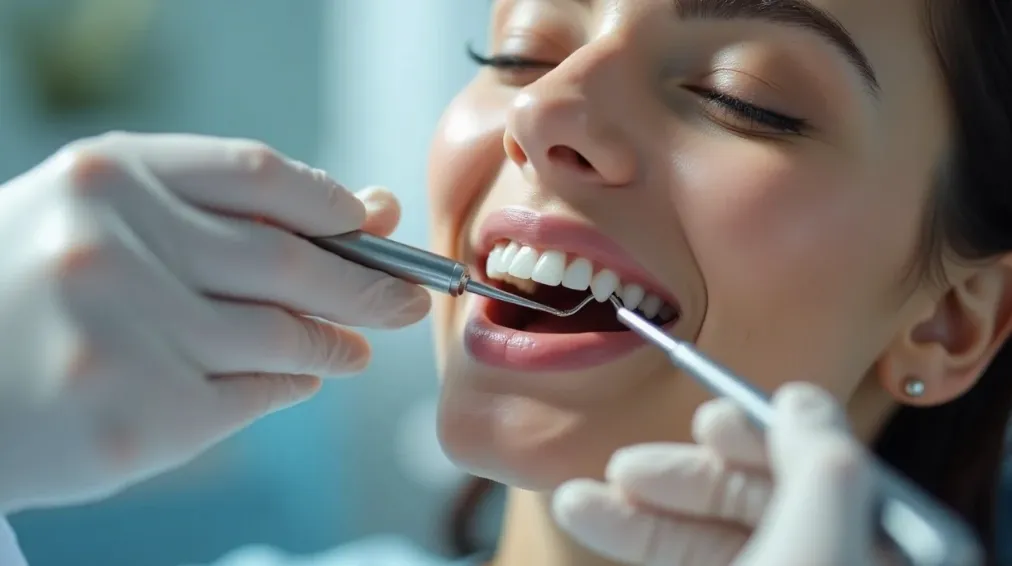
The importance of regular professional dental cleaning goes far beyond a bright smile. Without timely care, even consistent home brushing lets plaque accumulate—a sticky bacterial film invisible to the naked eye. Over time, this plaque hardens into tartar, clinging to teeth and gums, especially below the gum line where your toothbrush can’t reach. Left untreated, tartar can irritate your gums, trigger inflammation, and start the sequence leading to gingivitis or even more advanced gum disease, called periodontitis.
Routine teeth cleaning by a skilled dental hygienist or dentist can disrupt this process early, removing harmful buildup and giving your dentist a chance to spot small problems before they become painful and costly. This proactive approach is central to preventive dentistry: it doesn’t just make your teeth look clean—it protects your gums healthy and supports your dental and overall health. Timely cleanings can truly be the difference between a lifetime of healthy teeth and gums or frequent dental treatment for avoidable issues.
For those interested in understanding how to choose the right dental professional for their cleanings and ongoing care, you can explore a comprehensive directory of qualified providers in this resource for finding top dentists in your area. This can help ensure you receive expert care tailored to your unique oral health needs.
What You'll Learn About Professional Dental Cleaning and Teeth Cleaning
The purpose of professional dental cleaning and dental prophylaxis
How plaque and tartar form and affect oral health
Step-by-step dental cleaning procedure
Key differences: routine cleaning vs deep cleaning
Home care tips for optimal results
How professional teeth cleaning shapes long-term oral health
Who needs dental cleanings most and how often to schedule visits
Professional Dental Cleaning Essentials
Professional dental cleaning is vital for maintaining oral health and preventing dental problems.
Dental cleanings remove damaging plaque and hard tartar that brushing alone leaves behind.
The procedure is comfortable and tailored to your dental needs.
Your dentist recommends cleaning intervals based on individual risk factors.
Understanding Professional Dental Cleaning and Dental Prophylaxis
What Is a Professional Dental Cleaning?
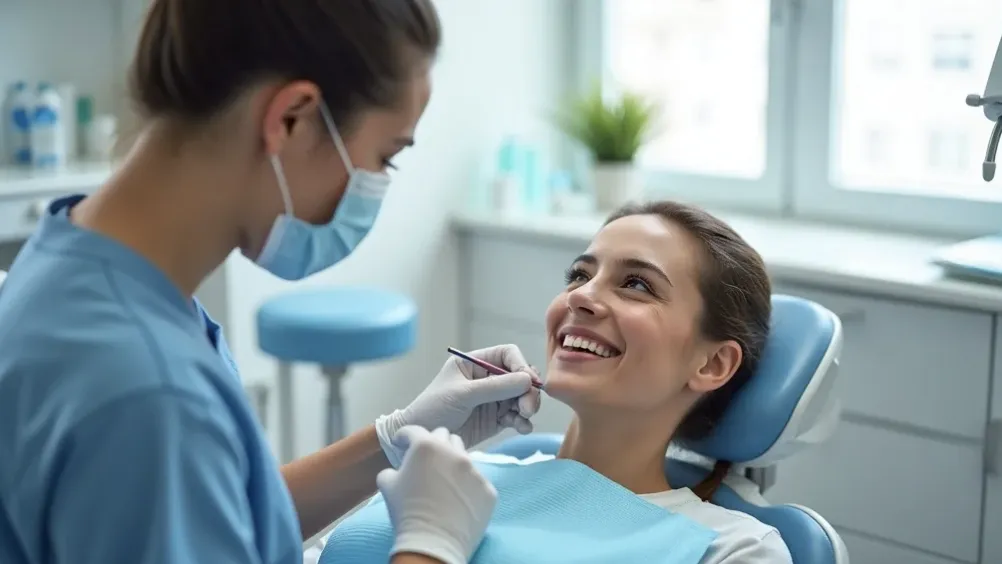
A professional dental cleaning, sometimes called dental prophylaxis, is a routine dental procedure performed by a licensed dental hygienist or dentist. Its main goal is to remove sticky plaque and hardened tartar (calculus) from your teeth—especially from areas that daily brushing and flossing can’t reach. Unlike home care, professional cleaning uses specialized tools to thoroughly clean your teeth above and below the gum line, polishing them to a smooth, refreshed finish. The process includes scaling (removing plaque and tartar), polishing (removing stains), flossing, and sometimes a fluoride treatment to strengthen enamel and help prevent future cavities.
Regular dental cleaning is a cornerstone of good oral health, helping to prevent cavities, refresh your smile, and reduce the risk of gum disease. Even if your teeth appear clean, microscopic bacteria linger, forming sticky patches that can eventually cause dental problems. That’s why teeth cleaning appointments are recommended for almost everyone, regardless of age or dental history.
Definition of Dental Prophylaxis and Its Role in Oral Health
Dental prophylaxis is the clinical term for a preventive dental cleaning. It means “disease prevention”—and in dentistry, that means stopping dental diseases like cavities and gum disease before they start. Prophylaxis includes more than just removing visible debris: it eliminates bacteria-laden plaque and tartar below the gum line, slowing or halting the progression of dental problems. By interrupting the buildup of bacterial biofilm, dental prophylaxis helps keep your teeth and gums healthy, supports stronger dental enamel, and protects your investment in oral health between checkups.
Think of dental prophylaxis as a critical line of defense. Even the most dedicated daily care can't fully prevent the accumulation of deposits at the gum margin or in between teeth. Professional intervention ensures these hidden threats are managed regularly, reinforcing your commitment to a clean, healthy smile and strong, disease-resistant gums.
Who Performs Professional Teeth Cleaning?
Dental hygienist
Dentist
Both dentists and dental hygienists are trained to perform professional teeth cleaning. In most dental offices, the hygienist will carry out the cleaning, while the dentist examines your mouth for deeper issues and makes recommendations tailored to your dental needs. You’ll benefit from their expertise in both technique and patient comfort, ensuring a safe and thorough experience with every visit.
Plaque and Tartar: How They Develop and Affect Gum Health
What Is Dental Plaque? Understanding Bacterial Biofilm
Dental plaque is a soft, colorless film of bacteria, also known as a bacterial biofilm, that forms on teeth throughout the day. It’s made up of oral bacteria, food particles, and saliva that stick to tooth surfaces and the gum line. When you eat, especially sugary or starchy foods, the bacteria in plaque feed off leftovers, producing acids that can erode tooth enamel and irritate gum tissue. Without regular dental or professional cleaning, plaque constantly accumulates—even minutes after brushing.
If left undisturbed, plaque can lead to cavities, bad breath, and inflammation along the gums. Brushing and flossing at home are crucial to break up this biofilm regularly, but professional teeth cleaning is necessary to fully remove stubborn plaque and stop its progression to more harmful stages.
The Progression from Plaque to Tartar (Calculus)
Plaque that is not removed promptly begins to absorb minerals naturally found in your saliva. In as little as 24–72 hours, it can harden and turn into tartar (also called calculus). Tartar is a tough, highly adhesive deposit that bonds firmly to tooth enamel—especially at the gum line and below it. Unlike soft plaque, tartar cannot be brushed away with a regular toothbrush or floss. It requires professional dental tools to scale off without damaging your teeth and gums.
This transformation is a critical turning point in oral health. While plaque can foster cavities and mild gum irritation, tartar acts as a scaffolding that harbors more bacteria and makes it even harder to maintain clean teeth and gums. Tartar’s rough surface accelerates new plaque accumulation, creating a cycle that can only be interrupted by a professional dental cleaning.
How Tartar Contributes to Gum Disease, Gingivitis, and Periodontitis
How Cavities Develop: The Tooth Decay Process Explained
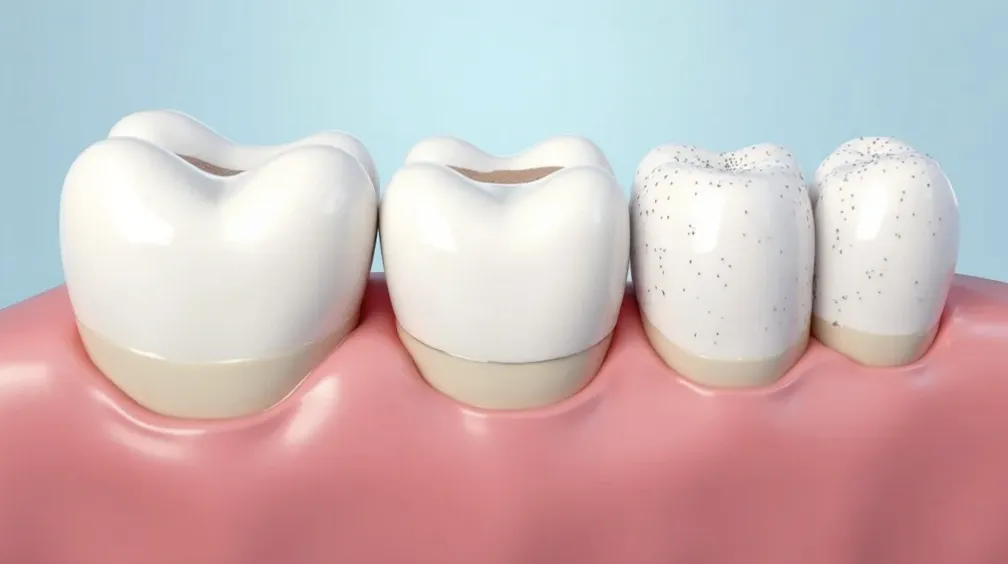
Tartar buildup, especially along and beneath the gum line, poses a significant threat to gum health. The hard, porous structure of tartar provides a continuous food source for bacteria, which trigger chronic inflammation in the surrounding gum tissue. This inflammation, known as gingivitis, is the earliest stage of gum disease: your gums may become red, swollen, and bleed easily during brushing. If left untreated, gingivitis can progress into periodontitis, a more severe form of gum disease that can damage the bones and ligaments supporting your teeth. Over time, periodontal disease can cause gum recession, tooth mobility, and even tooth loss.
Professional dental cleanings are essential for removing tartar and disrupting the bacterial cycle that leads to these conditions. Early intervention can reverse gingivitis, but once periodontitis sets in, more intensive dental treatment (like deep cleaning or scaling and root planing) is often necessary to preserve your oral and overall health.
“Without regular removal of plaque and tartar during professional dental cleaning, the risk of gum disease and tooth decay increases significantly.”
The Importance of Professional Dental Cleaning for Preventive Dentistry
Why Plaque Removal Is Essential for Oral and Gum Health
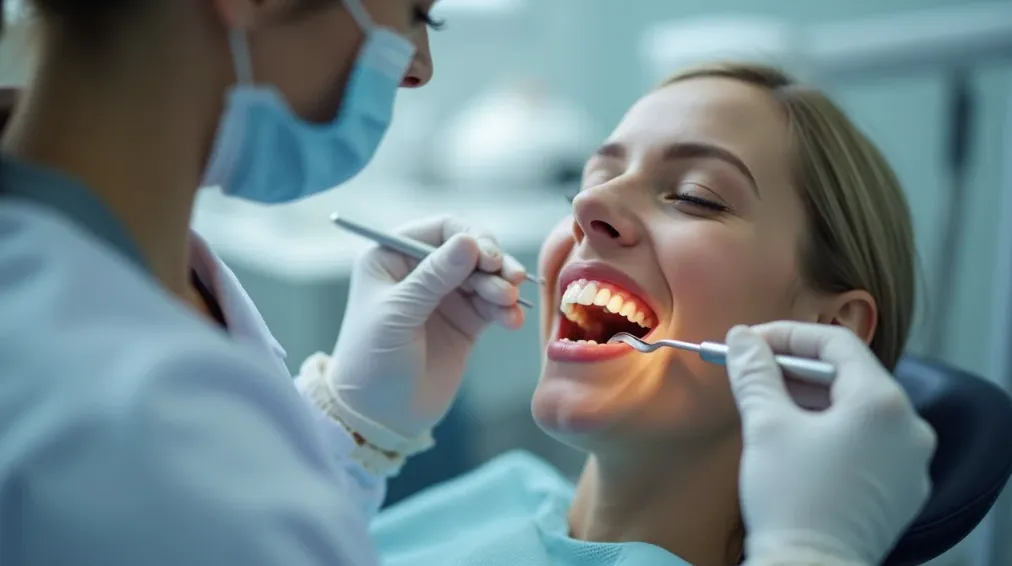
Effective plaque removal safeguards both your teeth and gums against the most common dental threats. Plaque is the main cause of both cavities (dental caries) and gingivitis, so keeping it under control is vital for healthy teeth and gums. While daily home care is crucial for disrupting the growth of plaque, only a professional cleaning can remove stubborn or hidden buildup that accumulates in hard-to-reach places—like beneath the gum margin, between crowded teeth, and around dental work. These targeted cleanings break the cycle of bacterial irritation and create an environment where gums can heal and remain strong.
Neglecting regular cleanings allows plaque to transition to tartar, which accelerates both decay and gum disease. Dentists emphasize the importance of removing both soft and hardened deposits for a clean slate, so your next brushing and flossing routine remains as effective as possible. Simply put, professional plaque removal is a foundational element of both oral and overall health.
How Professional Dental Cleaning Prevents Cavities and Gum Disease
At each professional teeth cleaning, your hygienist carefully removes the layers of plaque and tartar where bacteria thrive. This process removes the fuel for acid attacks that weaken tooth enamel and for toxins that inflame the gums. By breaking down these deposits, dental cleaning halts the early stages of cavity formation and reduces your risk of developing gingivitis or periodontitis.
In addition, cleanings include careful dental examination—so your dentist can spot the first signs of trouble, like minor decay or gum pocketing, before they escalate. Prevention is always easier (and less costly) than a dental treatment for advanced disease. And, with proactive cleanings, you’ll often leave with personalized tips to keep your teeth and gums healthy until your next visit.
Benefits of Dental Cleanings for Children and Adults
Cavity prevention
Gum health maintenance
Improved breath
Early detection of dental issues
Both children and adults gain important benefits from regular professional teeth cleaning. In younger patients, professional cleanings help prevent cavities, support proper oral development, and reinforce healthy habits for life. For adults, these appointments are crucial for detecting and managing early gum disease and maintaining the longevity of natural teeth. Cleanings also leave your mouth feeling fresh, reduce bad breath, and allow dental professionals to spot small issues—like fractured fillings or early decay—while treatment is still simple.
Together, these long-term advantages highlight why professional cleaning isn’t an optional luxury; instead, it’s a foundational part of preventive dental care for all ages.
What Happens During a Professional Dental Cleaning Appointment?
Dental Examination and Health Assessment
Every professional dental cleaning begins with a thorough evaluation of your teeth and gums. The dental hygienist or dentist inspects your mouth—often using a small mirror—to check for signs of plaque, tartar, gum inflammation, cavities, defective fillings, or other issues needing attention. This oral health assessment allows the dental team to tailor the cleaning to your unique needs, identify areas needing extra care, and recommend specific preventive dentistry strategies.
In some cases, recent dental X-rays may be reviewed to look for hidden cavities or changes in bone supporting your teeth. Open communication is welcomed, so bring up any sensitivity, bleeding, or changes you’ve noticed. This assessment is a vital first step—helping to ensure your cleaning is both thorough and comfortable.
Step-by-Step Professional Teeth Cleaning Procedure
Initial dental examination
Plaque and tartar removal (scaling)
Tooth polishing
Flossing and fluoride treatment
Recommendations for at-home care
The typical cleaning process is carefully structured for both comfort and effectiveness:
Initial dental examination: The hygienist assesses your teeth, gums, and overall oral health with a small mirror and gentle probing tools.
Plaque and tartar removal (scaling): Specialized scalers or ultrasonic devices are used to remove any tartar and sticky plaque from the tooth surface and below the gum line. This part may include both manual scraping and gentle vibrations.
Tooth polishing: A soft, rotary brush and mildly abrasive paste (often a sticky paste or foamy gel) is used to polish teeth, removing surface stains and leaving enamel smooth.
Flossing and fluoride treatment: Your hygienist will expertly floss between each tooth to remove remaining debris, followed by the application of a liquid fluoride or fluoride varnish for added cavity protection.
Home care recommendations: You’ll receive tips customized for your dental needs—like brushing technique, floss selection, or strategies for improving your at-home routine.
Your full cleaning appointment typically takes between 30 minutes and an hour, depending on your oral health, presence of tartar, and specific dental concerns.
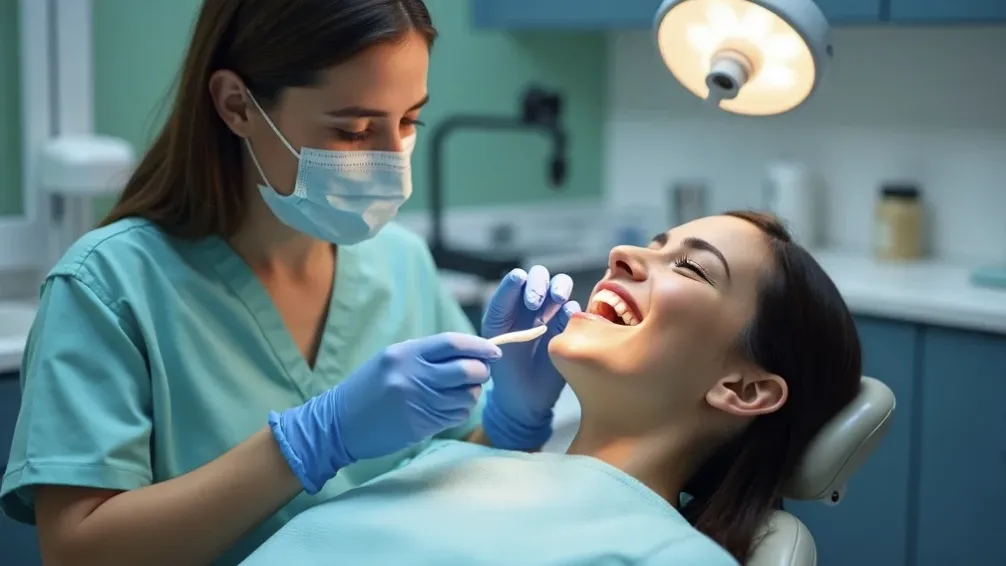
Does Dental Cleaning Hurt or Cause Sensitivity?
For most people, professional teeth cleaning is not painful. You may feel gentle pressure, vibrations, or scraping sensations as the hygienist removes plaque and tartar, especially if you have more buildup or areas of gum sensitivity. Mild discomfort can occur if your gums are inflamed or if you haven’t had a cleaning in a long time. However, let your hygienist know if you feel pain—they can adjust techniques or use sensitive-friendly approaches. Some people may feel temporary tooth sensitivity to cold liquids or air, which usually fades within hours to a couple of days. Topical desensitizing rinses or pastes can help reduce any lingering sensitivity.
Open communication and a gentle dentist or dental hygienist are key to making your cleaning as comfortable as possible. If dental anxiety is an issue for you, discuss it with your provider—they are trained to make the experience relaxing and pain-free.
Professional Dental Cleaning Procedures: Routine Cleaning Versus Deep Cleaning
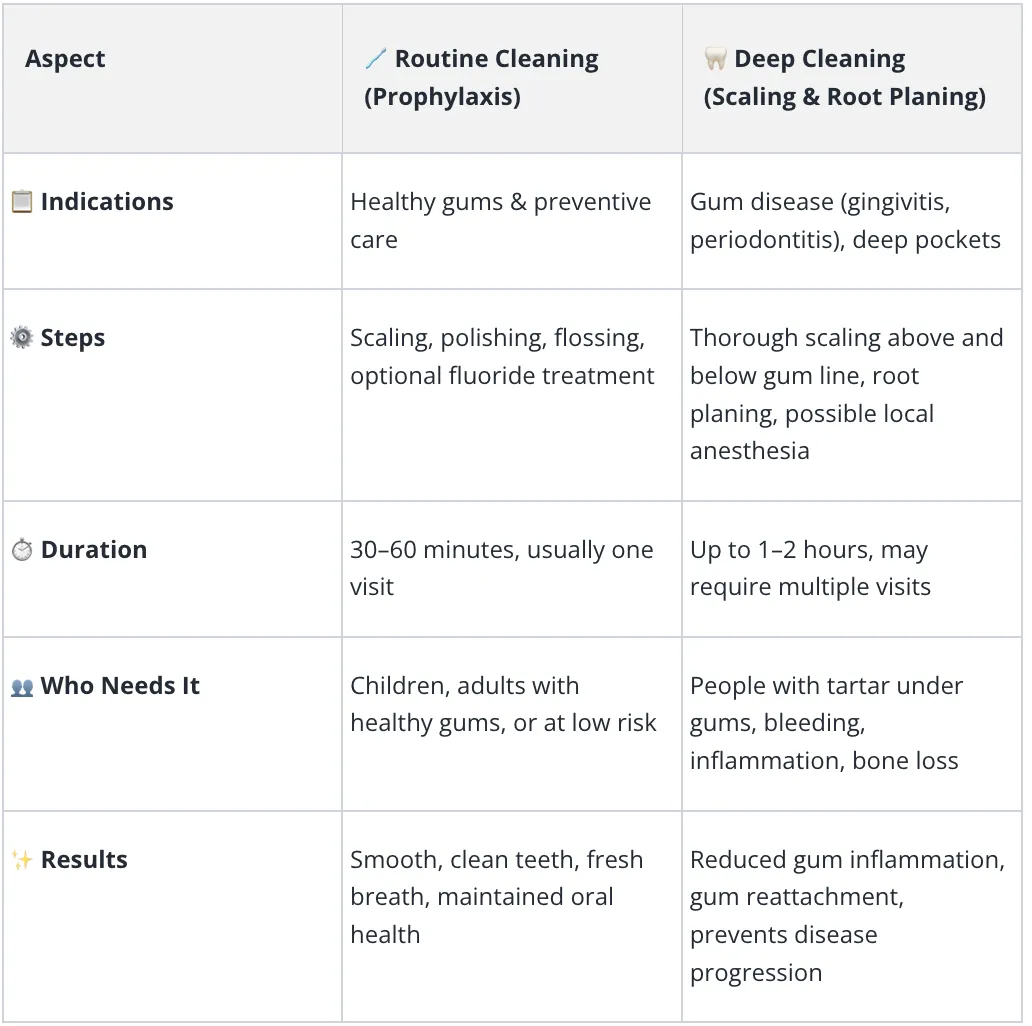
There are two main categories of professional dental cleaning: routine cleaning (prophylaxis) and deep cleaning (also called scaling and root planing). While routine cleanings are recommended for those with generally healthy gums, deep cleanings are a more advanced dental treatment for people with signs of gum disease, including deep pockets between teeth and gums or bone loss.
Understanding the difference helps you and your dental professional choose the approach that best fits your oral health needs.
Scaling and Root Planing in Deep Cleaning
Scaling and root planing is a specialized, non-surgical procedure designed to treat gum disease by removing plaque, tartar, and bacterial toxins from both above and below the gum line. The “scaling” portion uses special tools to clean tooth surfaces, while “root planing” smooths rough spots on the tooth roots, creating a clean surface for gums to heal and reattach.
Deep cleaning typically takes longer and may require local anesthesia for comfort, as the process can reach more sensitive areas below the gums. This deep clean is crucial for patients with advanced plaque and tartar buildup or ongoing periodontal disease, helping to prevent further bone and tissue damage, halt disease progression, and maintain overall gum health.
Routine Cleaning vs Deep Cleaning: Comparison Table
Cleaning Frequency: How Often Should You Have Professional Dental Cleaning?

Personalized Cleaning Schedules: Factors That Influence Frequency
Gum health and periodontal history
Cavity risk
Home oral hygiene
Dentist or dental hygienist recommendations
The frequency of professional dental cleaning isn’t one-size-fits-all. For many people, cleanings every six months are sufficient to maintain good oral health. But certain risk factors may increase the need for more frequent cleanings. These include a history of gum disease, multiple cavities, orthodontic appliances, poor home hygiene habits, or health conditions (like diabetes) that impact dental health.
Your dentist or dental hygienist will help determine a personalized schedule, balancing your oral health, gum condition, and individual lifestyle factors for maximum benefit. Regular assessments make sure you’re getting the right care at the right time.
Recommended Cleaning Intervals for Different Patients
Most healthy adults and children benefit from a cleaning and dental exam every 6 months. However, people with a history of gum disease, rapid tartar buildup, or ongoing dental concerns may be advised to have cleanings every 3–4 months. This more frequent schedule allows for closer monitoring and helps manage active oral conditions before they progress.
Children, especially as their teeth develop and they build brushing habits, may also need tailored visit intervals. Remember, every patient’s needs are unique—consult your dental team to find your best preventive plan.
Should Children Receive Professional Teeth Cleanings?
Absolutely—children greatly benefit from regular professional teeth cleanings as part of their oral care routine. Early cleanings gently remove sticky debris, polish away stains from dietary choices, and let dental professionals catch early cavities or bite concerns. Good experiences in the dental chair help children develop lifelong good oral habits, ease dental anxiety, and set the stage for a lasting, healthy smile.
Professional teeth cleanings for children usually include specialized education in brushing and flossing, fun fluoride treatments, and protective tips to prevent injury or decay during sports and play.
Home Oral Hygiene Checklist: Keeping Teeth Clean Between Dental Cleanings
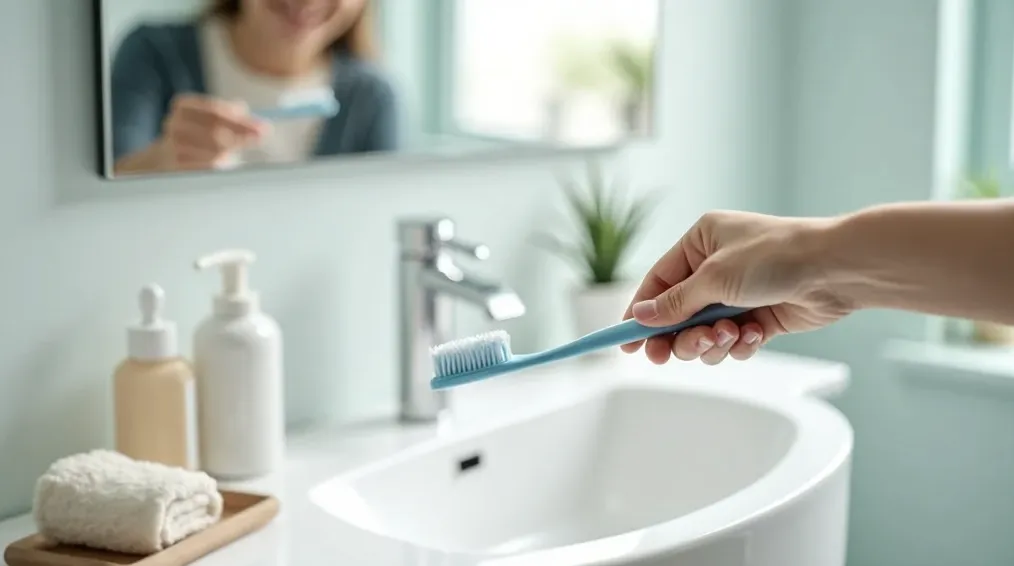
Brush teeth at least twice daily with fluoride toothpaste
Floss daily to clean between all teeth
Use antimicrobial or fluoride mouthwash if recommended
Replace your toothbrush every 3–4 months or after illness
Limit sugary snacks, acidic drinks, and starchy foods
Drink water frequently to rinse away food debris
Schedule and attend regular dental check-ups and cleanings
Consistent home care routines significantly boost the effectiveness of professional dental cleanings. Properly brushing and flossing removes the majority of daily plaque and sets the stage for less tartar formation and easier cleanings. Ask your dental team to review your brushing technique, recommend specific products, and troubleshoot any areas you have trouble keeping clean.
Long-Term Benefits of Professional Dental Cleaning for Oral Health
Supporting Preventive Dentistry and Periodontal Health
In the long run, professional dental cleanings are a cornerstone of preventive dentistry. Preventing disease is always preferable—and more comfortable—than treating established dental or gum problems. Over time, regular cleanings help maintain shallow gum pockets, minimize inflammation, and keep gums pink, firm, and healthy. They also reduce your risk of dental emergencies by catching small issues before they become serious.
Early detection during cleanings leads to timely and less invasive interventions, ultimately saving you time and discomfort. Investing in preventive dental care through cleanings is an investment in your overall health, as well; oral disease has been linked to conditions ranging from diabetes to heart disease.
How Dental Cleanings Improve Bad Breath and Maintain Enamel
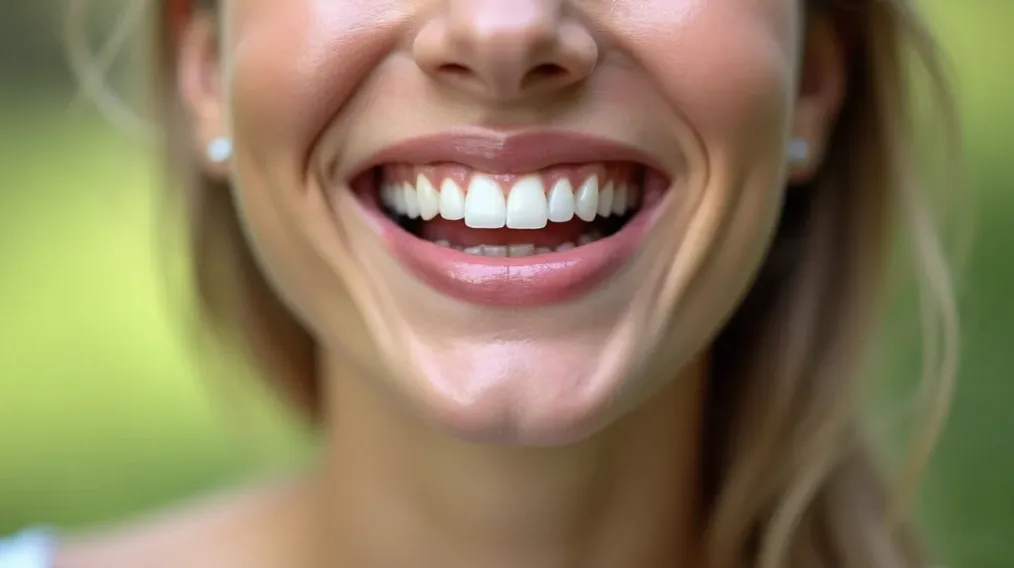
Persistent bad breath (halitosis) is often caused by bacteria and food particles trapped in plaque and tartar, especially below the gum line. Professional teeth cleaning effectively removes these odor sources, leaving your mouth smelling and feeling fresh. Cleanings also polish away stains, leaving teeth visibly brighter and smoother. Importantly, the thorough removal of sticky buildup and application of fluoride treatment help protect and strengthen tooth enamel, reducing your risk for cavities and sensitivity.
Many patients notice their teeth “feel extra smooth” after a cleaning—that’s because the hygienist has eliminated rough tartar and polished the enamel, making it harder for new plaque to stick.
Professional Cleaning vs Home Care: Synergy for Optimal Oral Health
While home care is the daily defense against dental problems, only professional cleaning safely removes hardened tartar and deeply embedded plaque. Together, these routines prevent plaque from taking root and stop small concerns from becoming major dental issues. Think of professional cleaning as a periodic reset for your oral health—giving you a fresh surface for brushing and maximizing the benefits of daily flossing and fluoride use.
Patients who combine dedicated home routines with regular dentist or dental hygienist cleanings enjoy fewer cavities, less gum disease, fresher breath, and more predictable dental treatment outcomes.
People Also Ask: Professional Dental Cleaning FAQs
Is it worth getting your teeth professionally cleaned?
Yes, getting your teeth professionally cleaned is essential for maintaining healthy teeth and gums. Regular cleanings remove plaque and tartar that home brushing cannot, help prevent cavities and gum disease, and allow dental experts to detect oral issues early, improving long-term dental and overall health.
How much does it cost to clean my teeth at a dentist?
The cost of a professional dental cleaning varies depending on geographic location, your dental health, and whether you need routine or deep cleaning. For the most accurate estimate, consult your dentist or dental office directly.
How much should I expect to pay for dental cleaning?
Costs for dental cleaning can vary widely depending on the provider, region, and type of cleaning required. Your dental professional or insurance provider can give specific information about pricing based on your personal oral health needs.
Does dental cleaning help gingivitis?
Yes, regular professional dental cleaning is one of the most effective ways to manage and reverse mild forms of gingivitis. Cleanings remove the bacteria and tartar causing gum inflammation, allow gums to heal, and prevent the progression to more serious gum disease.
Frequently Asked Questions About Professional Dental Cleaning
What is a professional dental cleaning?
A professional dental cleaning is a preventive dental treatment where a dental hygienist or dentist removes plaque, tartar, and surface stains from your teeth using special tools. The process includes scaling, polishing, flossing, and sometimes a fluoride treatment, ensuring your teeth and gums stay healthy and reducing your risk for tooth decay and gum disease.
Why is plaque removal important?
Plaque removal is crucial because dental plaque contains harmful bacteria that can cause cavities and gum disease. If not removed regularly, plaque hardens into tartar, increasing the risk of oral health problems and making it more difficult to keep your teeth and gums healthy.
How often should I schedule professional cleanings?
Most people should have a professional dental cleaning every 6 months. However, your dentist might recommend more or fewer visits depending on your oral health, gum condition, history of cavities or periodontal disease, and daily oral habits.
What happens during a cleaning appointment?
During a cleaning appointment, the dental hygienist examines your mouth, removes plaque and tartar above and below the gum line, polishes your teeth, flosses between teeth, applies fluoride treatment if needed, and offers you advice for optimal home care between visits.
Is dental cleaning painful?
Dental cleaning is usually not painful, though some people may feel mild sensitivity, especially if there is heavy buildup or gum inflammation. Your hygienist will use gentle techniques and can adjust treatment if you have sensitive areas, ensuring a comfortable experience.
How long does a cleaning take?
A typical professional dental cleaning visit lasts 30 to 60 minutes, depending on how much plaque and tartar need removal and your individual oral health needs. More extensive cleanings (deep cleanings) may take longer and require additional visits.
Can dental cleaning whiten teeth?
While dental cleanings remove surface stains and make teeth look brighter, they do not change the natural color of your teeth like professional whitening treatments. However, regular cleanings will keep your teeth looking their cleanest and help prevent new stains from developing.
What is the difference between routine cleaning and deep cleaning?
Routine cleaning (prophylaxis) is performed on patients with healthy gums and focuses on removing plaque and tartar above the gum line. Deep cleaning (scaling and root planing) targets both above and below the gum line, treating gum disease by cleaning root surfaces and allowing gums to heal.
How do I keep my teeth clean between visits?
Brush your teeth twice daily with fluoride toothpaste, floss once daily, use mouthwash if directed, limit sugary foods and drinks, and maintain regular dental appointments. Good home care is essential for preventing plaque buildup and staying healthy between professional cleanings.
Who may need more frequent cleanings?
People with a history of gum disease, rapid tartar buildup, chronic health conditions affecting the mouth, smokers, or those with orthodontic appliances may need professional cleanings every 3–4 months. Your dentist will determine the right schedule based on your unique oral health needs.
Ready to take control of your oral health? Contact us today to find a highly qualified dentist or dental hygienist near you and schedule your next professional dental cleaning. Invest in lifelong healthy teeth and gums—your smile will thank you!
If you’re looking to take the next step in your oral health journey, consider exploring a curated list of dental professionals who can provide not only cleanings but also comprehensive care for your entire family. Discovering the right dentist is key to maintaining consistent preventive care and addressing any specialized dental needs as they arise. browse this trusted directory of top-rated dentists to find a provider who aligns with your health goals and personal preferences. Building a long-term relationship with a skilled dental team can make all the difference in achieving a confident, healthy smile for years to come.
S. Raj, M.D. / Bestdentists.com
Director, Search Intelligence University/IABLEd
International Association for Business Leaders’ Education
Sources
https://www.parkdental.com/services/cleanings/ - Professional Dental Teeth Cleaning Minneapolis, MN
The IABLEd Growth Intelligence University
The Definitive Curriculum for Modern Dentistry and Oral Health
Praevenire. Curare. Sorridere.
Prevent. Treat. Smile.
Want Your World to Discover You,
the Easy Way?
Experience exceptional dental care while discovering the confidence of a healthier smile.
We provide the expertise, technology, and personalized treatment to help you achieve lasting oral health and beautiful, confident smiles. Ask us how.
Copyright 2026. Best Dentist Near Me. All Rights Reserved.


* * * * *
COMPANY
30721 Russell Ranch Rd Suite 140, Westlake Village, CA 91362
CUSTOMER CARE
Get In Touch
Mon – Thurs
10:00am – 4:00pm
Fridays by Appointment
Saturday, Golf
Sunday –hurch
LEGAL
Stay informed about how new technology can make or break a brand.
FOLLOW US


Prevent. Restore. Smile.
© 2026 IABLEd Dental Intelligence Academy | All Rights Reserved.
1: Oral Health Foundations 2: Preventive Dentistry & Patient Care 3: Restorative Dentistry & Treatment Planning 4: Advanced Clinical Techniques & Digital Dentistry 5: Cosmetic & Comprehensive Dental Care 6: Bonus Dental Masterclass Series