
Types, Procedure, Lifespan, Benefits, and What to Expect
Author; S.Raj, M.D, Updated: 7/28/2026 Reading Time: 5 Minutes
Dental Bridges Explained
Imagine smiling freely, speaking clearly, and enjoying your favorite foods again after losing a tooth. Missing teeth can impact more than just your looks—they affect how you chew, speak, and even your self-confidence. Fortunately, dental bridges are a proven solution to restore a complete, natural-looking smile, improve your dental function, and support oral health for the long term. In this guide, you’ll learn how dental bridges can help you reclaim your quality of life.

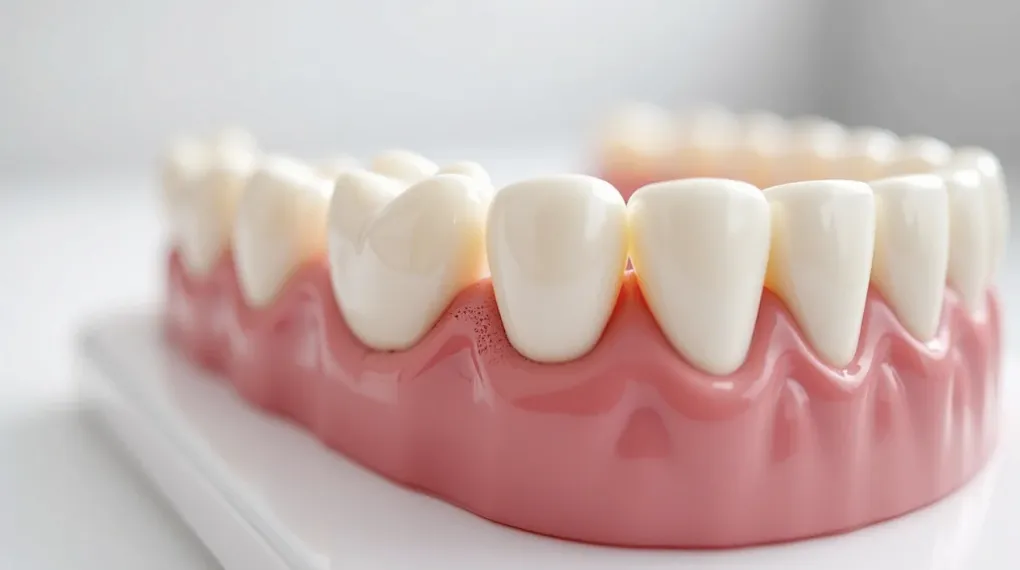
A dental bridge replaces one or more missing teeth by using artificial teeth supported by natural teeth or dental implants.
Dental bridges fill gaps left by missing teeth, restoring chewing, speech, and smile appearance.
Modern bridges offer stable, long-lasting tooth replacement as part of restorative dentistry.
Individualized prosthodontic planning ensures optimal results for each patient.
What You'll Learn
What dental bridges are and how they work
The importance of replacing missing teeth
Types of dental bridges and who they’re for
Step-by-step dental bridge procedure
How long dental bridges last
Pros, cons, risks, and alternatives
How to care for your bridge for long-term success
Restoring Confidence and Function: The Role of Dental Bridges
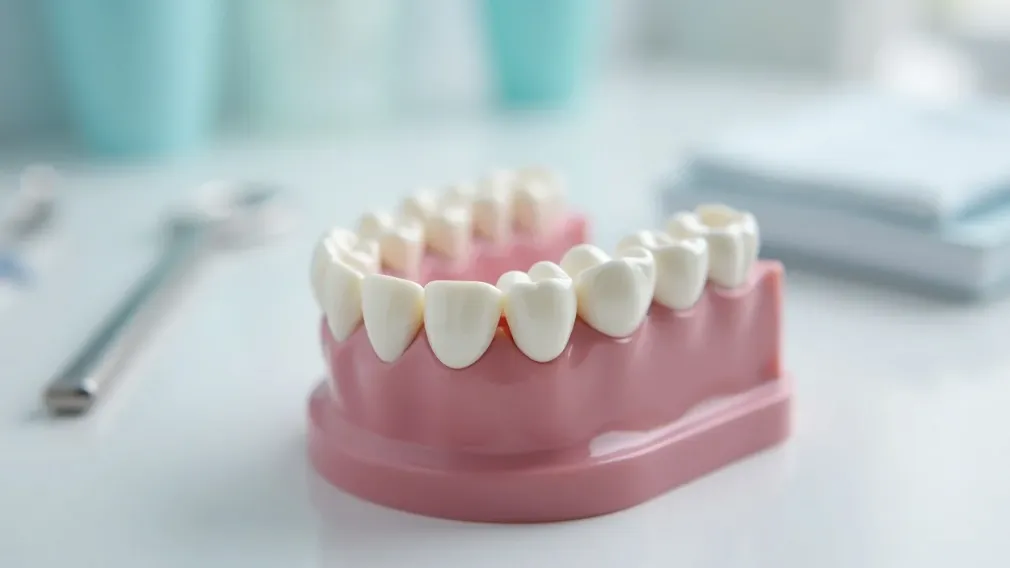
Dental bridges are a mainstay in restorative dentistry for a good reason—they offer a reliable and natural-looking option for patients with missing teeth. Beyond aesthetics, bridges improve the ability to chew and speak, protect the balance of your bite, prevent remaining teeth from shifting, and help maintain the natural contours of your face. Whether caused by injury, decay, or age, losing a tooth leaves a gap—both physically and in your daily quality of life.
Choosing to replace missing teeth with a dental bridge often brings a sense of relief and renewed confidence. With bridge designs tailored to your specific needs and advanced materials mimicking the appearance and function of real teeth, this procedure has become one of the most trusted solutions recommended by dentists and prosthodontists alike. The ultimate goal: restore a healthy smile and help you enjoy everyday moments with comfort and assurance.
If you're interested in exploring more about restorative dental solutions or want to find a qualified provider in your area, you can browse a comprehensive list of dental professionals and clinics in this dental directory. This resource can help you connect with experienced dentists who specialize in dental bridges and other tooth replacement options.
"A dental bridge replaces one or more missing teeth by using artificial teeth supported by natural teeth or dental implants."
Dental bridges fill gaps left by missing teeth, restoring chewing, speech, and smile appearance.
Modern bridges are a stable, long-lasting tooth replacement solution.
Individualized prosthodontic planning is essential for optimal results.
What Is a Dental Bridge? Understanding the Basics
Definition of a Dental Bridge in Restorative Dentistry
Periapical Dental X-Rays
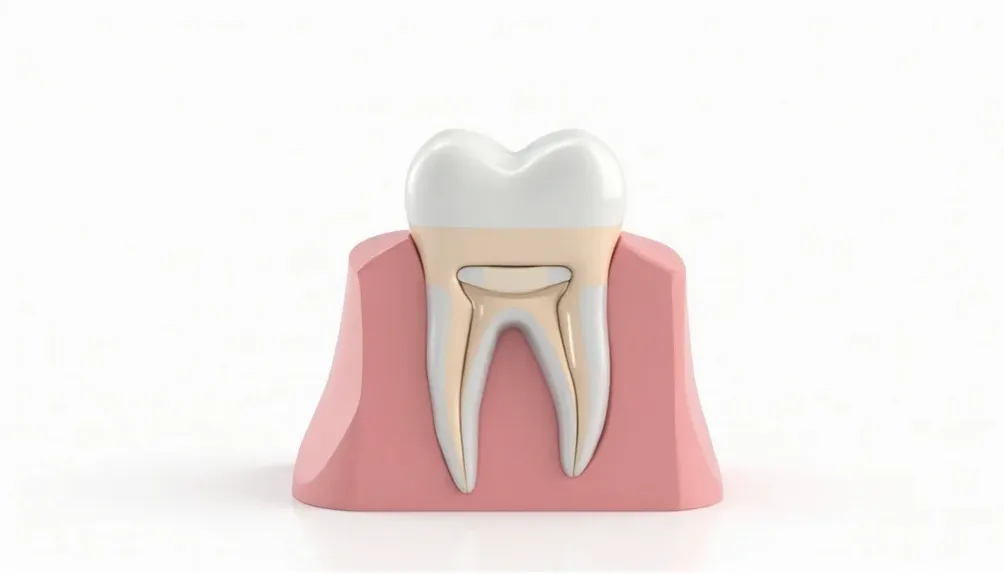
In restorative dentistry, a dental bridge is a custom-made appliance that literally bridges the gap created by one or more missing teeth. The bridge is made up of one or more artificial teeth—called pontics—that are held in place by supporting natural teeth (abutment teeth) or dental implants. This restoration not only fills the space of the lost tooth but also protects remaining teeth by spreading bite forces evenly and maintaining the integrity of your mouth’s alignment.
Main components: Pontic (replacement tooth), abutment teeth, and supporting structures
How a Fixed Dental Bridge Works
Fixed dental bridges are secured either to healthy, adjacent teeth using dental crowns or to dental implants, creating a permanent and functional replacement for missing teeth. There are two primary kinds: tooth-supported bridges (anchored to your natural teeth) and implant-supported bridges (secured by dental implants placed into the jawbone). Both provide excellent stability and mimic the look and feel of natural teeth.
Tooth-supported bridges use neighboring teeth as anchors.
Implant-supported bridges are secured by one or more dental implants placed in the jaw.
"A fixed dental bridge is securely anchored to healthy teeth or implants, providing a natural and functional replacement for missing teeth."
CBCT Scan (Cone Beam Computed Tomography)
Uses a cone-shaped X-ray beam to render detailed 3D images of oral structures, teeth, bone, and nerve pathways.
Essential in diagnostic dentistry for complex cases needing precise anatomical data.
CBCT scans are a form of advanced 3D dental imaging that uses a cone-shaped beam computed tomography machine to capture a detailed model of your teeth, jaws, nerves, and sinuses. This imaging method is especially valuable for complex procedures—such as dental implant planning, evaluating impacted teeth, or preparing for oral surgery—where a standard 2D dental X-ray may not provide enough information.
Why Replace Missing Teeth? Dental Bridges and Oral Health
The Impact of Missing Teeth: Beyond Aesthetics

Losing a tooth is more than a cosmetic concern. A missing tooth can make it difficult to chew properly, leading to changes in your diet and nutrition. Teeth play a key role in speech—gaps can blur sounds and make speaking unclear. When a gap is left open, nearby teeth may shift to fill the space, causing changes in your bite, uneven wear, or even jaw pain. Over time, tooth loss can make your face appear sunken and age prematurely, impacting your confidence as well as your oral health.
Chewing and digestion
Tooth shifting and bite changes
Speech clarity
Facial structure and confidence
Oral Health Considerations and the Purpose of Dental Bridges
Dental bridges serve a crucial purpose beyond cosmetic enhancement. By replacing missing teeth, they help stabilize your bite, prevent other teeth from drifting out of position, and protect the supporting gum and bone tissue. When gaps are not filled, remaining teeth can tilt, rotate, or become harder to clean, increasing the risk of tooth decay and gum disease. A dental bridge is an important part of a preventative oral health strategy, designed to keep your mouth functioning as it should.
Prevent shifting of teeth
Safeguard gum and bone health
Maintain proper bite alignment
Types of Dental Bridges: Choosing the Right Solution
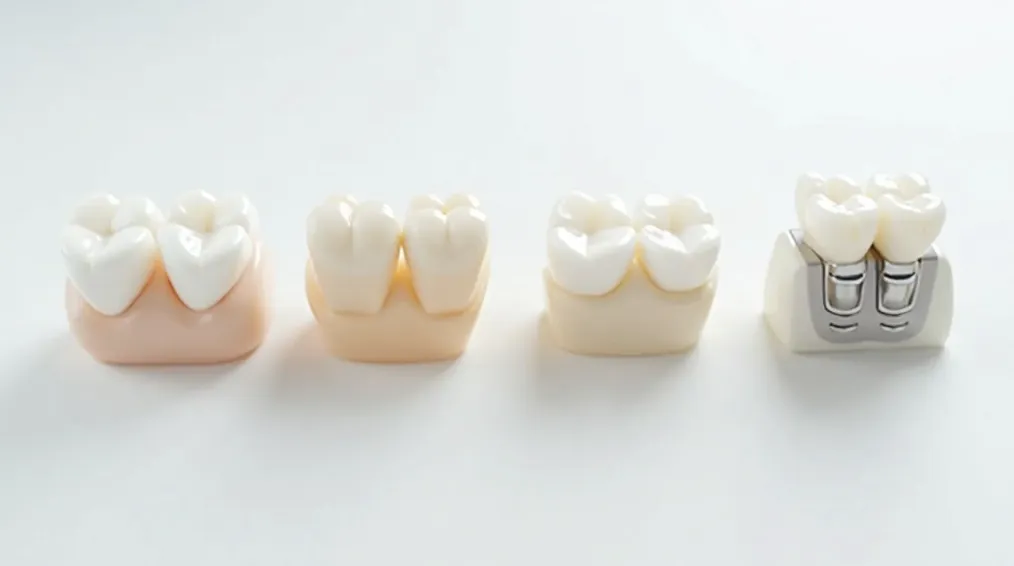
There are several types of dental bridges available, each suited to different clinical situations. The best option depends on which teeth are missing, the condition of adjacent teeth, and your overall oral health. Your dentist or prosthodontist will recommend the bridge type that best balances function, appearance, and long-term success.
Traditional Fixed Bridge
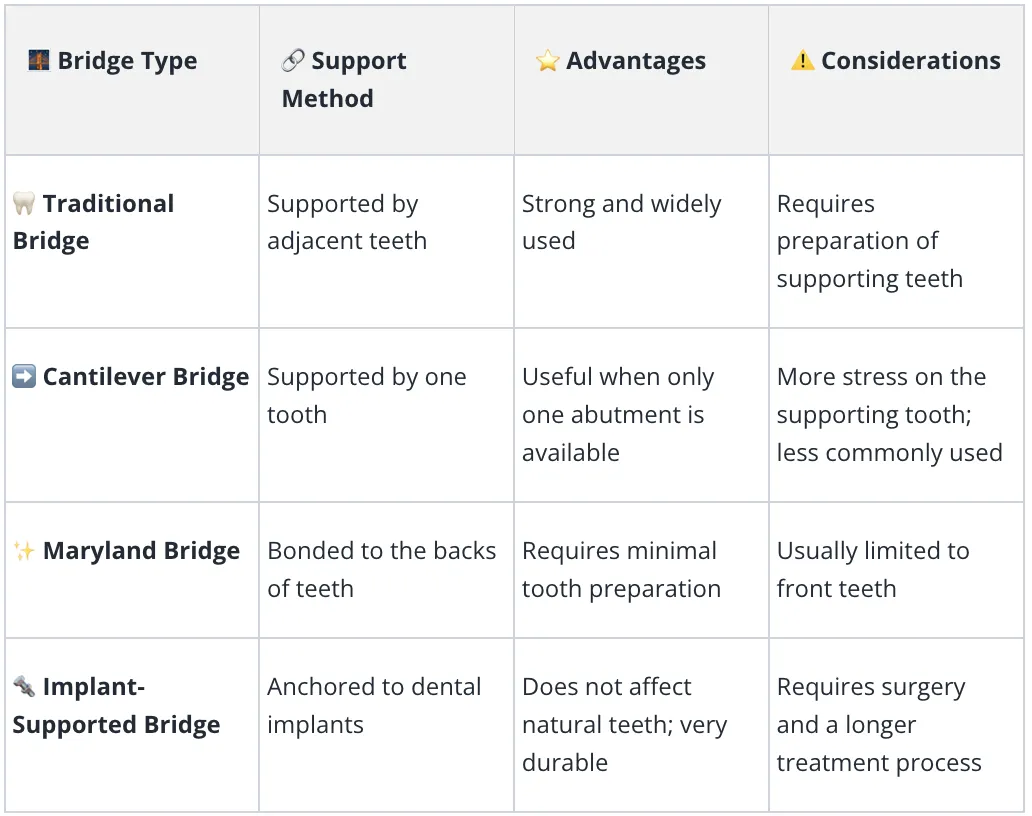
The traditional bridge is the most common type. It involves creating a pontic (artificial tooth) between two dental crowns that are cemented onto healthy teeth on each side of the gap. This method is well suited for replacing one or more teeth and offers a strong, durable result—but it does require preparing the adjacent teeth, which means removing some of their enamel so the crowns can fit.
Cantilever Bridge
A cantilever bridge is supported on just one side (by a single abutment tooth). It’s used when teeth are present on only one side of the space. While useful in limited situations (especially in areas under lighter chewing forces), this design places more stress on the supporting tooth and is less common.
Maryland Bridge (Resin-Bonded Bridge)
The Maryland bridge (or resin-bonded bridge) uses a metal or porcelain framework that is bonded to the backs of adjacent teeth, often without significant tooth preparation. It’s an option for front teeth replacements where less biting force is present and a more conservative approach is preferred.
Implant-Supported Dental Bridge
An implant-supported dental bridge is anchored by dental implants surgically placed in the jawbone. Implants act like artificial tooth roots, providing strong, stable support for the bridge. This solution can replace multiple missing teeth in a row and avoids involving natural teeth. It’s highly durable and preserves bone, though the process is longer and typically more involved.
Dental Bridge Types Comparison Table
Step-by-Step Dental Bridge Procedure: What Patients Can Expect
Understanding the dental bridge procedure can help ease any nervousness and ensure you know what to expect. The process generally involves several key steps and may take a few visits depending on your treatment plan and the type of bridge you need. Here’s how the journey unfolds—from initial assessment to your final restored smile.
1. Comprehensive Examination and Treatment Planning
Your dentist or prosthodontist will begin with a thorough dental assessment, which may include X-rays, digital scans, and detailed oral health evaluations. This stage determines if a bridge is the best option or if a dental implant or partial denture might be preferable. The condition of your abutment teeth is checked to ensure they’re strong enough to support a bridge, and your individualized prosthodontic plan is created.
Dental assessment
X-rays and digital scans
Oral health evaluation
Restorative dentistry consultation
2. Preparing the Supporting (Abutment) Teeth
If you are receiving a tooth-supported bridge, the adjacent teeth on either side of the gap will be prepared. This involves reshaping these teeth by removing a thin layer of enamel so that crowns can be placed over them. This process is typically done with local anesthesia to keep you comfortable.
3. Digital Scan or Dental Impressions
Next, a digital scan or physical impression is taken of your mouth. This highly accurate model allows the dental lab to fabricate your custom bridge, ensuring a precise fit and natural appearance. If you’re having an implant-supported bridge, impressions are made after the implants have healed and are ready to support the bridge.
4. Placement of a Temporary Dental Bridge
While your permanent bridge is being crafted, a temporary bridge is placed to protect your prepared teeth and keep your smile intact. This temporary appliance allows you to eat and speak comfortably until your final bridge is ready.
5. Final Fixed Dental Bridge Placement and Adjustments
At your last appointment, your dentist will remove the temporary bridge, check the fit of your new bridge, and make any necessary adjustments for comfort and bite. Once everything feels right, the final fixed dental bridge is permanently cemented in place (or secured to your dental implants). You’ll leave with a restored, confident smile.
Treatment timeline checklist:
Initial consultation
Preparatory visits
Lab fabrication
Final fitting
Are Dental Bridges Painful? Patient Comfort During and After the Procedure

Anesthesia and Minimally Invasive Techniques
One of the most common concerns is whether getting a dental bridge hurts. With today’s advancements in dental care, you’ll receive local anesthesia during any procedure that involves preparing teeth or placing a bridge. Most patients feel only mild pressure or vibration and not pain during the process. For many, the bridge is fitted using minimally invasive techniques, and discomfort is kept to a minimum.
Sensitivity and Adjustment Period
It’s normal to experience some tooth sensitivity to hot or cold, especially after supporting teeth are prepared for crowns. This usually fades within a few days to a couple of weeks as your mouth adjusts to the new appliance. In rare cases, slight tenderness or gum irritation may persist as the bridge settles in.
Managing Discomfort After a Dental Bridge Procedure
Most people report little to no pain after the bridge is placed. If mild soreness or discomfort occurs after the anesthesia wears off, over-the-counter pain relievers and soft foods can help. Your dentist will provide instructions on how to care for the bridge as your mouth heals. Persistent discomfort, biting problems, or pressure may mean the bridge needs adjustment—don’t hesitate to contact your dentist.
"Most patients report minimal discomfort during the dental bridge procedure, thanks to local anesthesia and modern techniques."
How Long Do Dental Bridges Last? Understanding Longevity and Survival
Factors Affecting the Lifespan of Dental Bridges
Dental bridges are designed for durability, but several factors influence how long they last. Quality oral hygiene is crucial—regular brushing, flossing, and dental checkups keep supporting teeth and gums healthy. Bridge longevity also depends on the health of abutment teeth, the strength of your bite, materials used (such as porcelain, ceramic, or metal alloys), and your daily habits (including avoiding chewing on hard items).
Oral hygiene habits
Health of supporting teeth
Bite forces and daily use
Bridge materials
Routine dental checkups
How Long Do Dental Bridges Last? Evidence from Prosthodontics
With proper care, dental bridges can function and look great for many years. While published studies show a wide range, most bridges provide reliable service, especially when placed on healthy teeth and maintained well. The specific lifespan varies for each patient—regular dental visits and excellent at-home care are the best predictors of how long your bridge will last before needing repair or replacement.
Lifespan varies with oral health, bridge design, and patient care
Dental Bridge Complications: Risks and How to Prevent Them
Biological Issues: Tooth Decay, Gum Disease, Supporting Tooth Damage
As with any dental restoration, complications can arise. Tooth decay can develop under the crowns of a bridge if oral hygiene slips. Supporting teeth themselves might become weakened or infected if overloaded or not cared for. Gum inflammation or periodontal (gum) disease may also increase if plaque is not removed effectively, leading to long-term problems.
Technical Issues: Bridge Fracture, Loosening, and Wear
Technical complications include bridge fracture, chipping of porcelain, or wearing down of the appliance. Over time, a bridge can become loose if the cement degrades or supporting teeth are compromised. Early signs such as movement, discomfort, or difficulty chewing should be addressed promptly to prevent further issues.
Warning Signs and When to Seek Help
Watch out for symptoms like persistent pain, gum swelling, bad breath, or new gaps appearing near the bridge. These may indicate failure of the restoration or underlying tooth and need prompt professional attention. Early intervention is key—routine checkups and reporting changes help ensure long-term bridge survival.

Caring for Your Dental Bridge: Aftercare and Maintenance Guide
Proper care is essential for keeping your dental bridge looking and functioning like new. With the right habits at home and regular professional checks, you can help ensure your restoration stands the test of time.
Brush twice daily with a soft-bristled toothbrush, focusing on the bridge area.
Use floss threaders or interdental brushes to clean under the bridge where regular floss can’t reach.
Attend routine dental cleanings and exams—your dentist will monitor for changes, movement, or early signs of complications.
Watch for discomfort, swelling, or unusual sensations near your bridge and report them promptly.
Checklist: Maintaining Your Dental Bridge for Long-Lasting Success
Brush and clean daily
Use special cleaning tools as instructed
Schedule professional cleanings
Report any changes or pain early

Dental Bridges vs Other Tooth Replacement Options: A Comparison
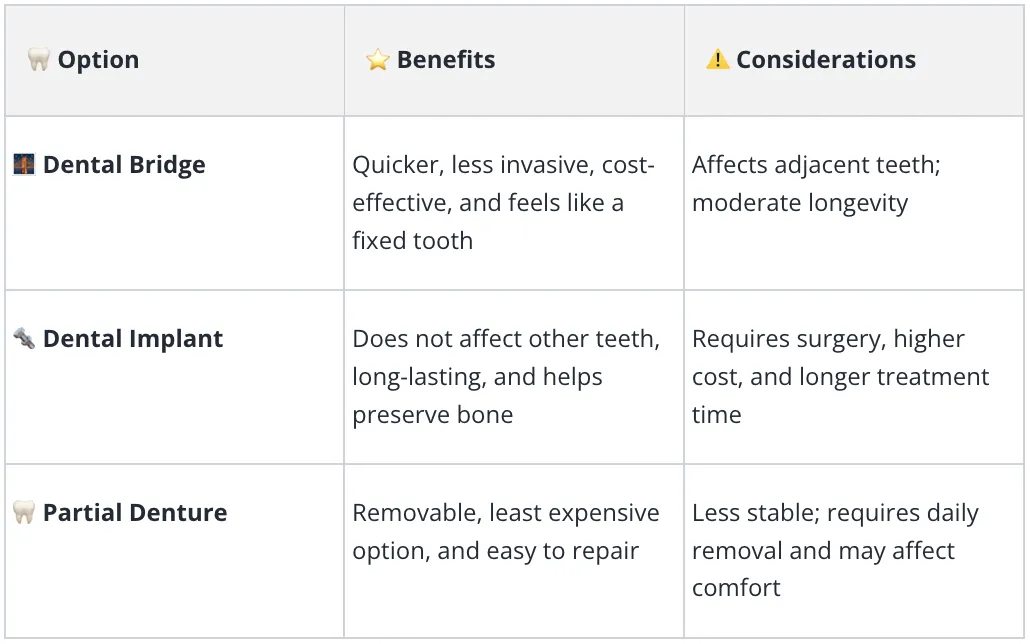
When considering your options for missing tooth replacement, it’s important to weigh the pros and cons of bridges, implants, and partial dentures with your dental team. Each has unique benefits, limitations, and suitability depending on your oral health, goals, and budget.
Dental Bridges versus Dental Implants
Dental implants are stand-alone replacements, installed in the jawbone without impacting neighboring teeth. They typically last longer than bridges and help keep jawbone healthy—but require surgery, a longer timeline, and often more investment upfront. Bridges, on the other hand, are generally quicker and avoid surgery but may require alteration of healthy teeth.
Fixed Dental Bridges versus Removable Partial Dentures
A fixed dental bridge is cemented in place and feels most like natural teeth, while partial dentures are removable. Partials can substitute for several non-adjacent missing teeth, are easier to repair or replace, and usually cost less than bridges or implants. However, they can be less stable, may affect taste and sensation, and must be removed daily.
People Also Ask: Your Dental Bridge Questions Answered
What is the downside of having a dental bridge?
Drawbacks may include the need to prepare healthy neighboring teeth (which involves removing some enamel), the risk of tooth decay under the bridge if cleaning is inadequate, risk of bridge loosening over time, and the need for more diligent oral hygiene to keep the area healthy.
How much do dental bridges usually cost?
Costs for dental bridges can vary significantly based on location, the complexity of the case, materials used, and number of teeth replaced. Dental insurance often covers a portion, but out-of-pocket costs depend on your policy and treatment plan. Your dentist will provide a personalized estimate after your evaluation.
How long do dental bridges last?
With attentive care, bridges often last many years. The exact lifespan depends on oral hygiene, supporting tooth health, bridge material, and regular dental checkups. Your dentist can give you a realistic outlook based on your individual situation.
How much for a 2 teeth bridge?
The fee for a bridge replacing two teeth is influenced by the type of bridge, material choices, and regional factors. A consultation is the best way to receive a tailored and accurate quote.
Frequently Asked Questions About Dental Bridges
What is a dental bridge?
A dental bridge is a fixed dental restoration that fills the gap left by one or more missing teeth, using artificial teeth anchored by crowns on adjacent natural teeth or dental implants.How does a fixed dental bridge work?
A fixed dental bridge is cemented onto healthy neighboring teeth (or implants), supporting one or more artificial teeth (pontics) between them to restore function and appearance.Who is a candidate for a bridge?
Good candidates have missing teeth with healthy adjacent teeth or well-healed implants to support the bridge, and sufficient oral health to maintain the restoration.What types of dental bridges exist?
Main types include traditional fixed, cantilever, Maryland (resin-bonded), and implant-supported bridges, each suited to different clinical needs and locations in the mouth.How is a bridge placed?
Placement involves a dental exam, preparation of supporting teeth, impressions or scans, temporary bridge, and final fitting of a custom-made permanent bridge.Are dental bridges painful?
Most patients report minimal discomfort due to local anesthetic and minimally invasive techniques; adjustment period may bring minor sensitivity that quickly fades.How long do bridges last?
Properly maintained, a bridge can last for many years. Longevity depends on oral hygiene, bite, supporting tooth health, and materials.How should bridges be maintained?
Care includes daily brushing, cleaning under the bridge with specialized tools, and regular dental visits for exams and professional cleaning.What complications can happen?
Complications may include tooth decay, gum issues, loosening, or fracture of the bridge—all best managed with early diagnosis and intervention.What alternatives exist?
Alternatives include dental implants (for direct root replacement) and removable partial dentures (for flexibility and economy).
If you’re ready to take the next step toward restoring your smile, consider exploring the broader landscape of dental care options available in your region. The dental professionals directory is a valuable starting point for discovering experienced dentists who can guide you through advanced restorative treatments, preventive care, and ongoing oral health strategies. By connecting with the right dental expert, you’ll gain personalized recommendations tailored to your needs—empowering you to make informed decisions for a healthier, more confident future. Take advantage of this resource to ensure your dental journey is supported every step of the way.a
S. Raj, M.D. / Bestdentists.com
Director, Search Intelligence University/IABLEd
International Association for Business Leaders’ Education
Sources

The IABLEd Dental Intelligence University
The Definitive Curriculum for Modern Dentistry and Oral Health
Praevenire. Curare. Sorridere.
Prevent. Treat. Smile.
Want Your World to Discover You,
the Easy Way?
Experience exceptional dental care while discovering the confidence of a healthier smile.
We provide the expertise, technology, and personalized treatment to help you achieve lasting oral health and beautiful, confident smiles. Ask us how.
Copyright 2026. Best Dentist Near Me. All Rights Reserved.

* * * * *
COMPANY
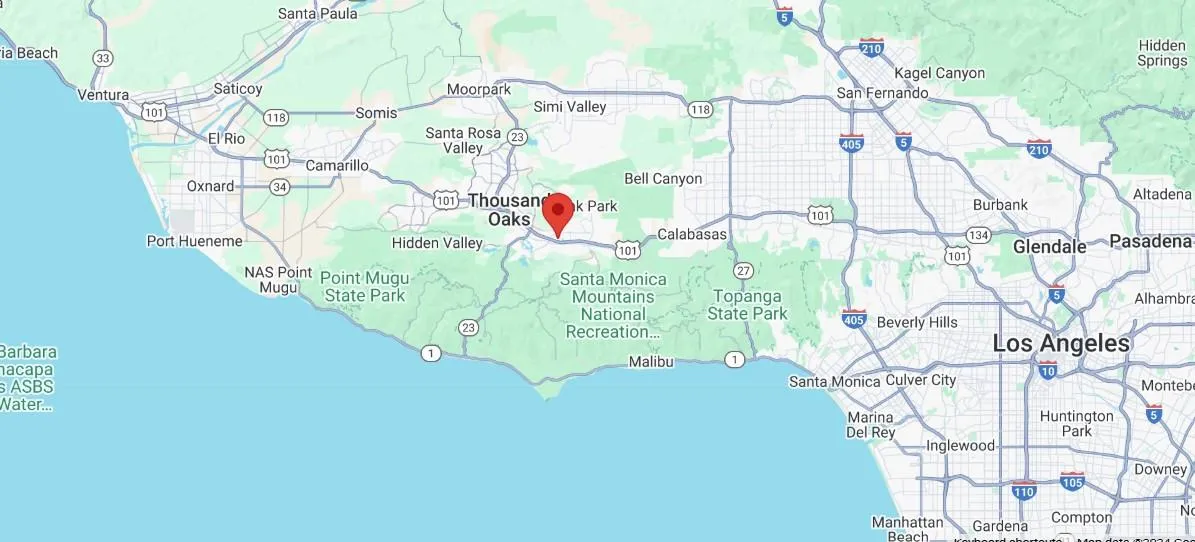
30721 Russell Ranch Rd Suite 140, Westlake Village, CA 91362
CUSTOMER CARE
Get In Touch
Mon – Thurs
10:00am – 4:00pm
Fridays by Appointment
Saturday, Golf
Sunday –hurch
LEGAL
Stay informed about how new technology can make or break a brand.
FOLLOW US


Prevent. Restore. Smile.
© 2026 IABLEd Dental Intelligence Academy | All Rights Reserved.
1: Oral Health Foundations 2: Preventive Dentistry & Patient Care 3: Restorative Dentistry & Treatment Planning 4: Advanced Clinical Techniques & Digital Dentistry 5: Cosmetic & Comprehensive Dental Care 6: Bonus Dental Masterclass Series