
Smile Makeovers, Veneers, Whitening, and Smile Design Guide
Author; S.Raj, M.D, Updated: 7/21/2026 Reading Time: 5 Minutes
Cosmetic Dental Procedures Explained
Imagine looking in the mirror and truly loving your smile—without feeling self-conscious about chipped, stained, crooked, or aging teeth. Cosmetic dentistry is more accessible than ever—and it offers transformative results that go far beyond what you see in celebrity before-and-afters. If you’ve ever wondered what’s possible for your smile, this comprehensive guide unlocks the answers with a friendly, patient-first approach.
Unlocking Confidence: How Cosmetic Dentistry Transforms Smiles and Lives

A beautiful smile isn’t just about appearances—it can boost your self-esteem, enhance your professional image, and positively affect your social life. Cosmetic dentistry empowers patients to address common insecurities, such as crooked teeth, stubborn stains, chips, and uneven gums. Whether you’re seeking a dramatic smile makeover or subtle improvements, today’s advanced dental care can help you achieve your ideal smile with practical, safe, and effective procedures. From your first step in a modern dental office to the final reveal, cosmetic dental treatments are tailored to your goals, oral health needs, and lifestyle.
With solutions ranging from teeth whitening to dental veneers and clear aligners, there’s never been a better time to explore your cosmetic dentistry options. You’re about to learn how the right cosmetic dental procedure can dramatically improve the appearance of your teeth while supporting lifelong oral health.
What You’ll Learn in This Comprehensive Guide to Cosmetic Dentistry
Definition and goals of cosmetic dentistry
Smile design principles and Digital Smile Design (DSD)
Comprehensive look at smile makeovers
Overview of popular cosmetic dental procedures including teeth whitening, veneers, bonding, and more
Benefits, expectations, and recovery
How to choose and maintain cosmetic dental treatments
Cosmetic Dentistry Explained: Definition, Goals, and Who It’s For

"Cosmetic dentistry combines science and artistry to enhance your natural smile while supporting lasting oral health."
What is cosmetic dentistry?
Improves dental aesthetics—color, shape, size, alignment, and overall smile.
Enhances confidence and first impressions.
Addresses chipped, stained, misaligned, or missing teeth.
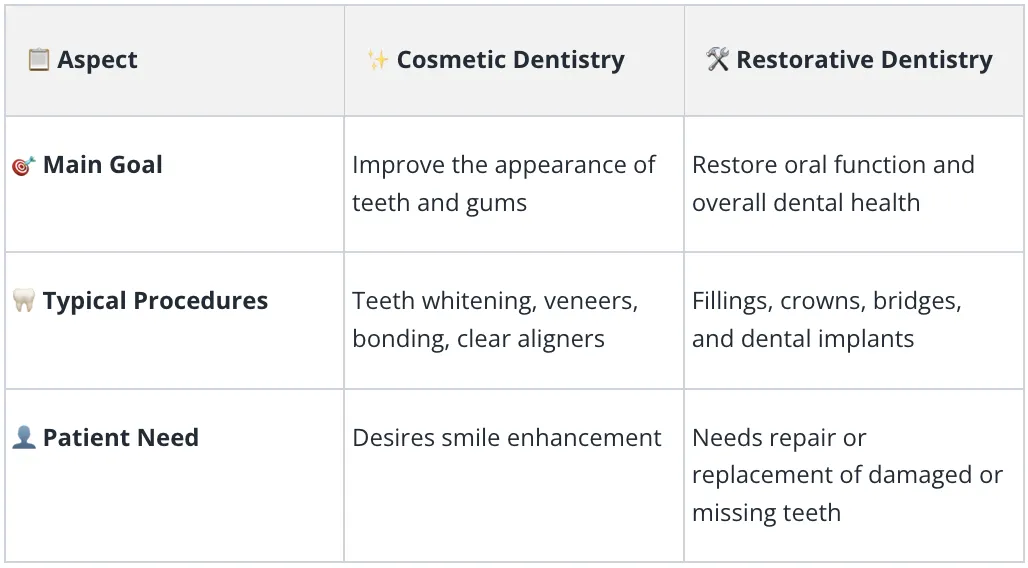
Cosmetic dentistry is the branch of dental care focused on improving the appearance of teeth, gums, and bite. Unlike restorative dentistry—which repairs function and structure—cosmetic procedures aim to transform how you feel about your smile. Whether dealing with uneven gum lines, gaps, chipped teeth, discoloration, or misalignment, cosmetic dental services provide safe, personalized solutions for patients seeking a natural-looking, attractive result.
A cosmetic dentist uses advanced technology and dental materials to help you achieve a smile you’re proud to show. From dental veneers and clear aligners to teeth whitening and bonding, today’s cosmetic treatments address an array of concerns. Every treatment plan starts with a comprehensive smile analysis—ensuring results that complement your facial features and long-term oral health goals.
The Goals of Cosmetic Dental Procedures
Natural-looking, harmonious smiles
Preservation of oral health and tooth structure
Boosting self-esteem
Top cosmetic dentistry goals go beyond brighter teeth—they include creating a harmonious smile that matches your unique features while preserving the health of teeth and gums. A skilled cosmetic dental procedure focuses on minimally invasive techniques that save tooth structure and support long-term dental health. In addition to improving your appearance, these treatments can also improve oral function, speech, and bite alignment, making them much more than a quick fix.
Boosting self-confidence and improving social or professional interactions are key, but the best cosmetic dentists view each smile as a blend of science and artistry—never a one-size-fits-all approach. This is why personalized treatment plans and an honest discussion of your goals and oral health needs lay the foundation for lasting results.
Understanding Smile Design: Art and Science of the Perfect Smile
What is smile design?
What is smile design?
Principles include tooth proportion, facial symmetry, and gum contours
Individualized treatment for each patient’s facial features
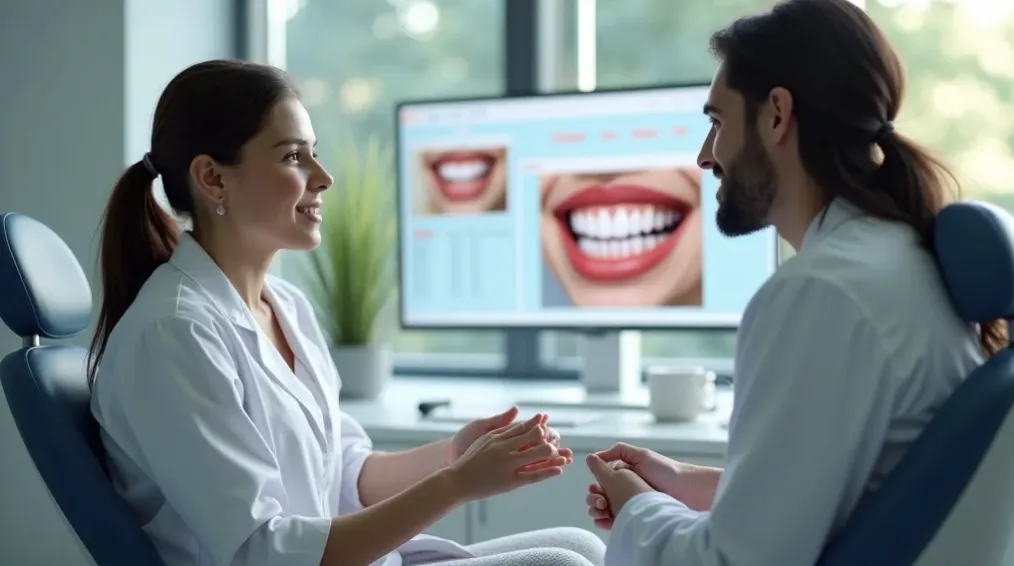
Smile design is both an art and a science. It involves analyzing the entire facial structure, not just the teeth, to create a beautiful smile that complements your unique features. Key principles include the symmetry of your lips and face, how much gum shows when you smile, tooth length and width ratios, and how the front teeth relate to one another. A personalized approach is essential—what works for one patient may not flatter another.
The smile design process typically includes digital photos, molds, and a careful assessment of your natural smile dynamics. This allows your cosmetic dentist to recommend specific cosmetic dental procedures—such as veneers, contouring, or whitening—that will create the most attractive and natural-looking outcome for you. Ultimately, the goal is to bring out your best smile—not just follow a trend or celebrity style.
Digital Smile Design (DSD): Visualizing Your Smile Makeover
Use of advanced software for digital previews of cosmetic dental changes
Collaborative planning between patient and cosmetic dentist
Improved treatment accuracy and predictability
Digital Smile Design (DSD) has revolutionized the way cosmetic dentists plan and deliver smile makeovers. Using advanced imaging software, your dentist can create a realistic preview of how your smile will look after specific cosmetic dentistry procedures. This digital blueprint enhances communication between you and your cosmetic dentist, allowing you to visualize proposed changes and adjust the treatment plan before any dental procedure begins.
DSD makes it possible to “try on” your new smile, boosting confidence and trust in the process. It’s an interactive and accurate way to ensure your results will meet your expectations—especially for complex cases involving multiple procedures or extensive cosmetic dental work. Both patients and dental professionals benefit from this collaborative, data-driven approach to smile makeovers.
Smile Makeover Planning: Step-by-Step Timeline
What is included in a smile makeover?
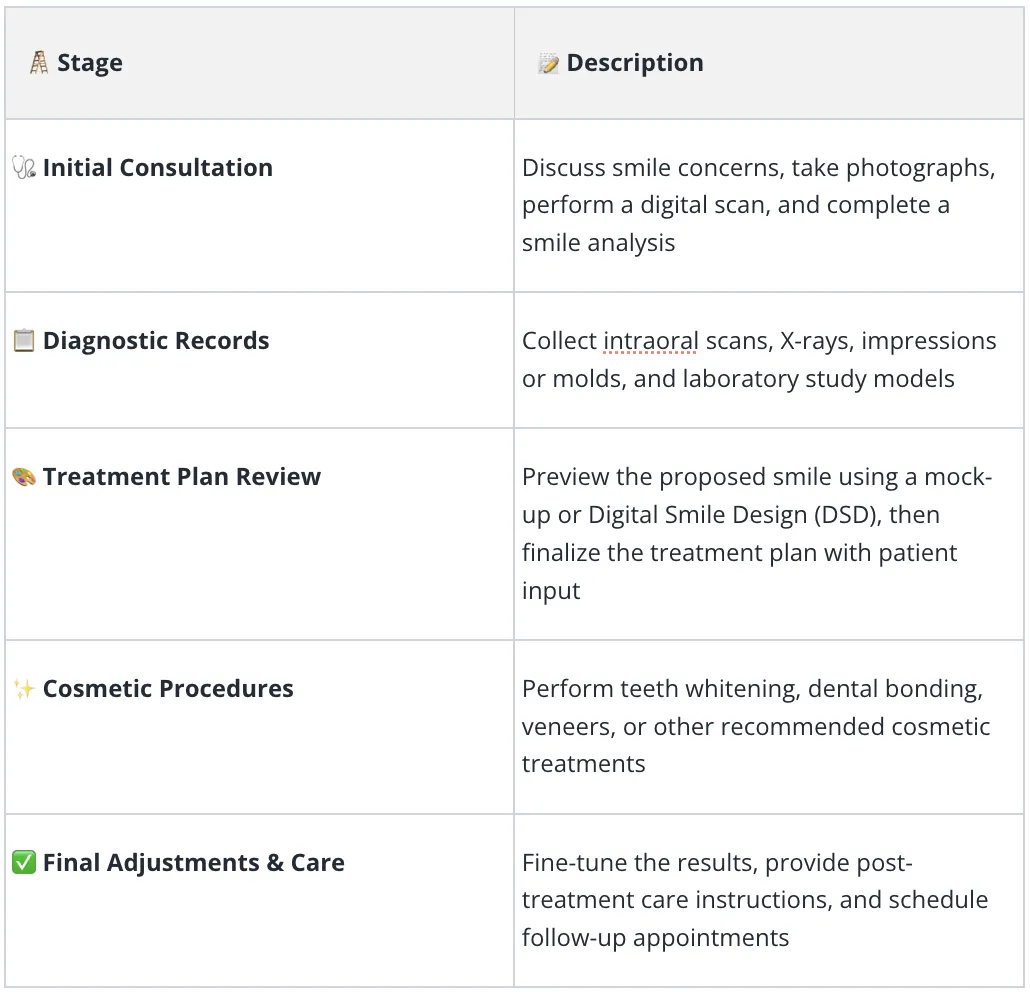
Initial consultation and digital smile analysis
Diagnostic records (photos, molds, x-rays)
Review of treatment plan and mock-ups
Cosmetic dental procedures (e.g., whitening, veneers, bonding)
Final adjustments and post-procedure care
A smile makeover isn’t a single procedure—it’s a customized plan combining several cosmetic dentistry services to achieve your ideal result. Your journey begins with a comprehensive consultation and digital smile analysis, where personal goals and oral health status are carefully documented. Diagnostic records—including photos, x-rays, and impressions—help your cosmetic dentist design a treatment plan tailored specifically to you.
Once your treatment plan is mapped out, you’ll preview your new look through digital or physical mock-ups. Cosmetic dental procedures such as teeth whitening, veneers, or bonding are then scheduled in sequence. After your procedures, your dentist makes any necessary adjustments and teaches you how to maintain your refreshed smile for years to come.
Cosmetic Dentistry Procedures: Types and What to Expect
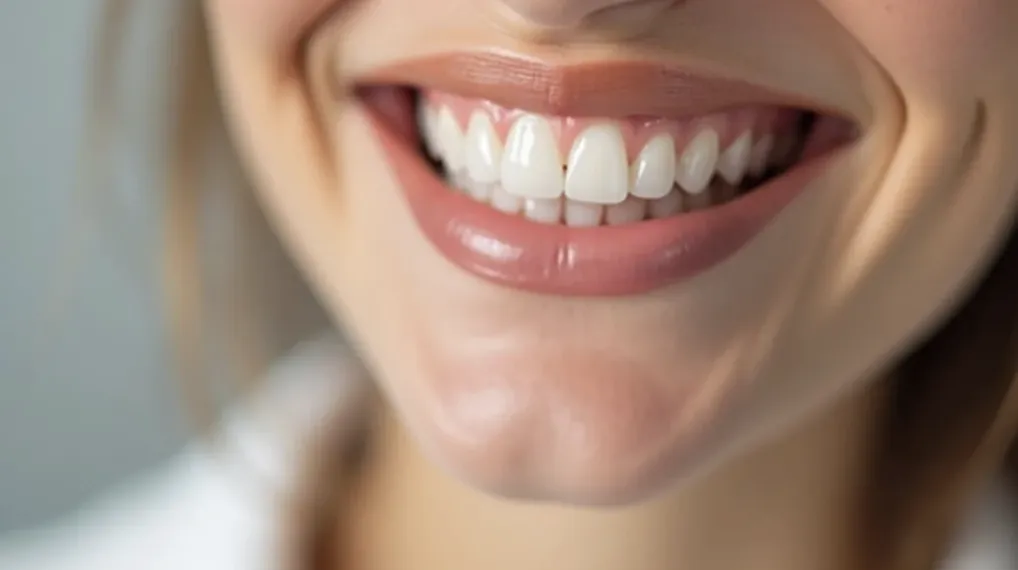
The field of cosmetic dentistry offers a wide array of procedures that can be personalized for every smile. Whether you want instant results or a gradual transformation, today’s cosmetic dental procedures are remarkably effective and minimally invasive. Let’s explore the most requested options—what they involve, and who can benefit.
Teeth Whitening: Fast and Effective Cosmetic Dentistry for Brighter Smiles
Professional vs. at-home whitening
Suitable stains and contraindications
Expected results and longevity
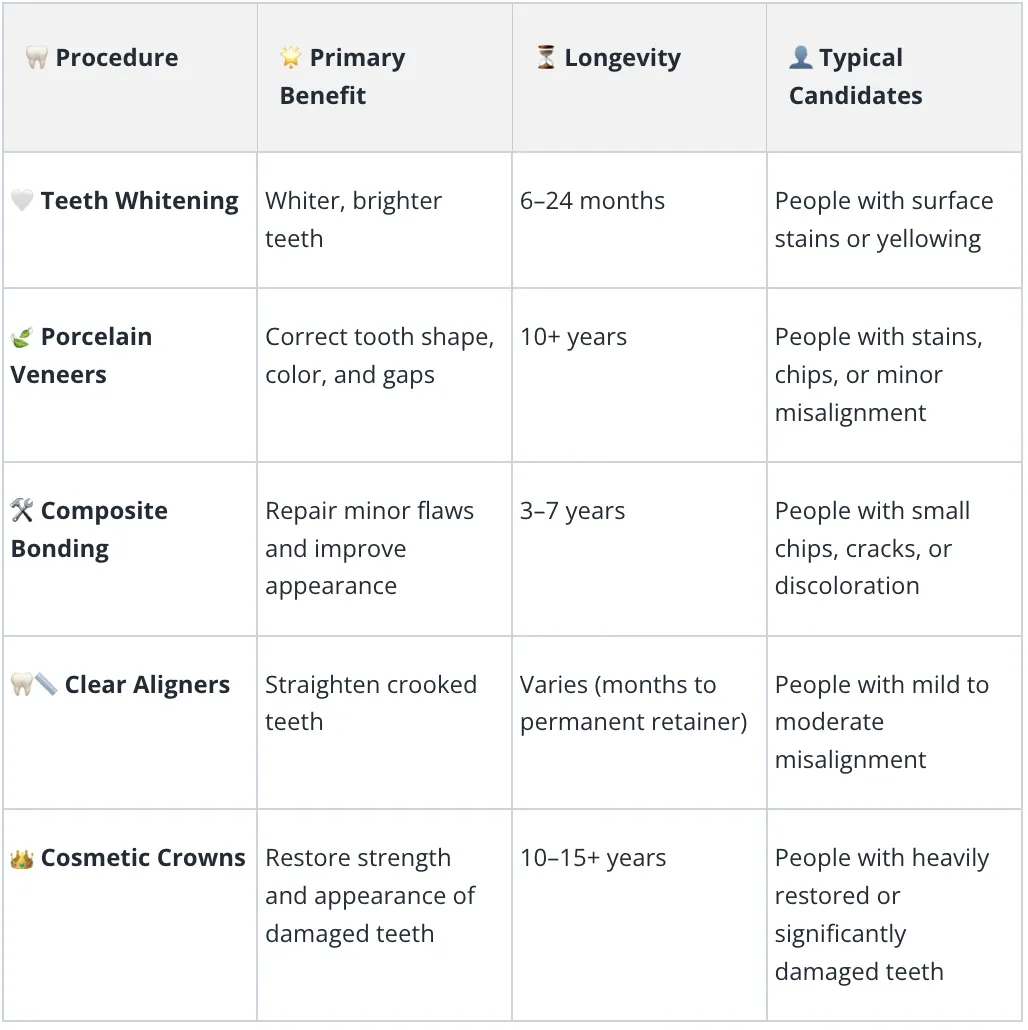
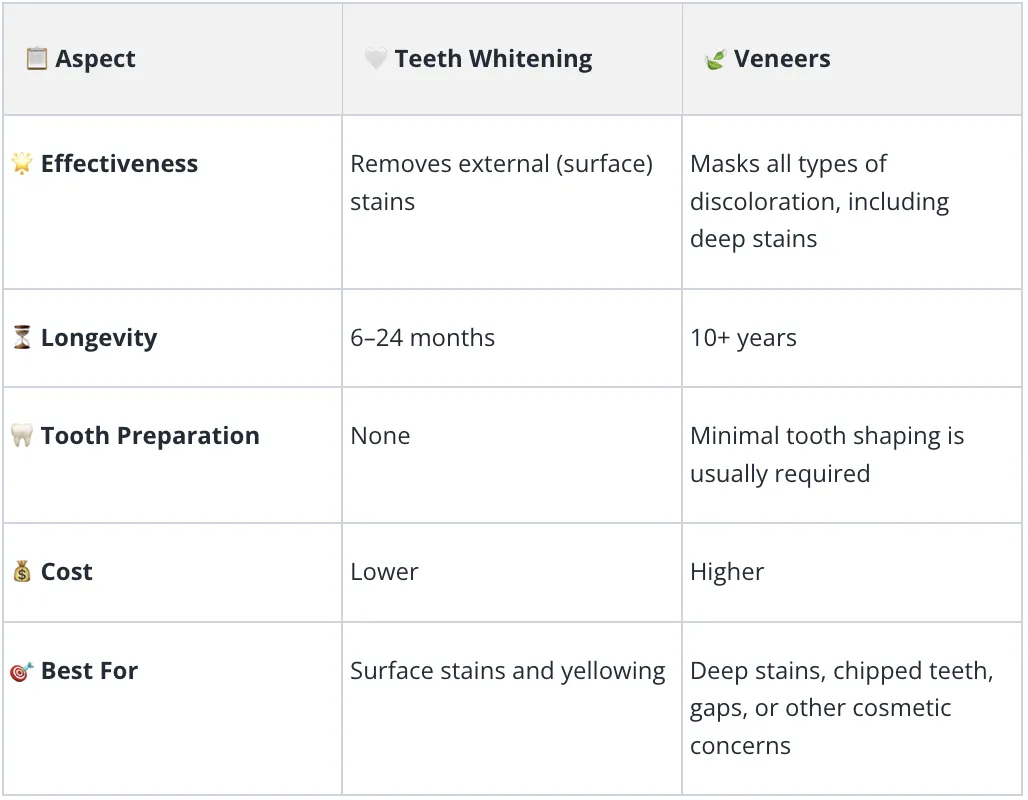
Professional teeth whitening is among the simplest and most dramatic cosmetic dental procedures for brightening your smile. Unlike over-the-counter kits, in-office whitening uses professional-grade gels and custom trays to safely deliver powerful results—often several shades lighter in under an hour. Treatment is ideal for stains caused by coffee, tea, wine, or natural aging.
However, whitening isn’t suitable for every type of discoloration. Intrinsic stains from medication, injuries, or dental fluorosis may be resistant to bleaching. In those cases, your cosmetic dentist might recommend veneers or bonding for a consistent shade. With proper at-home care and touch-up treatments, whitening results can last months or even years.
Dental Veneers: Transforming Teeth Shape, Colour, and Alignment
Porcelain veneers vs. composite veneers
Procedure overview: preparation to placement
Who is a candidate for veneers?
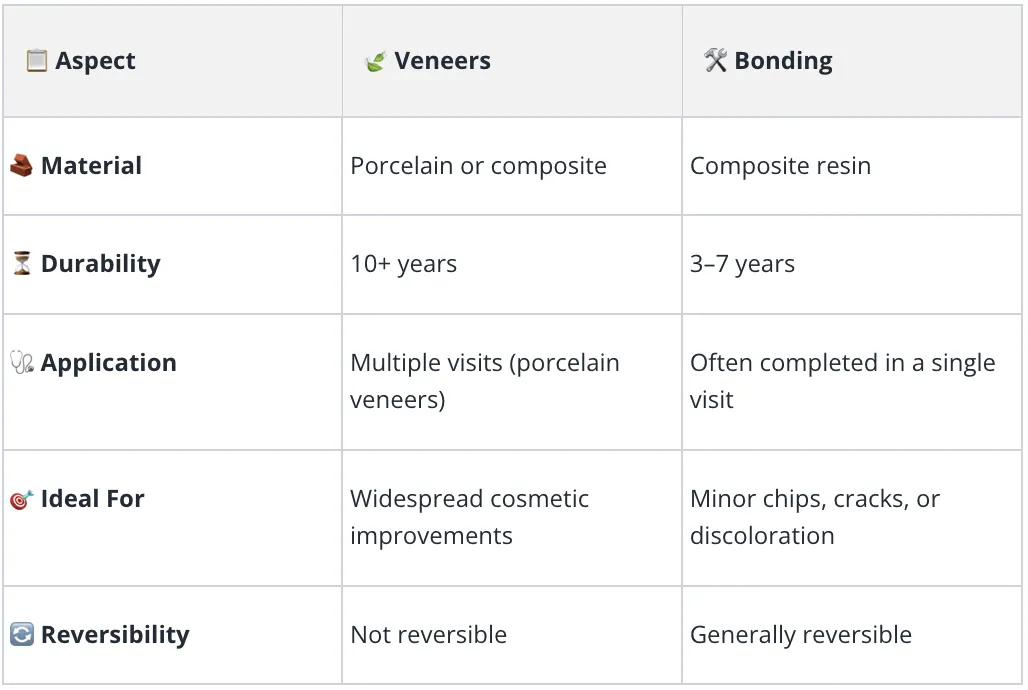
Dental veneers are ultra-thin, custom-made shells that cover the front surfaces of teeth to fix chips, discoloration, gaps, uneven lengths, and even minor misalignment. Porcelain veneers are highly durable, stain-resistant, and designed to mimic the translucency of natural enamel. Composite veneers are more affordable and can often be placed in a single visit, though they may require more frequent maintenance.
The procedure involves gentle shaping of the tooth, taking impressions, and precisely bonding the veneer in place. Ideal candidates have healthy gums, sufficient enamel, and realistic expectations—your cosmetic dentist will determine suitability during the initial consultation. With meticulous care, porcelain veneers can last a decade or longer.
Composite Bonding: Repairing Imperfections with Cosmetic Dental Procedures
Chips, cracks, gaps, and discoloration
Minimally invasive and reversible
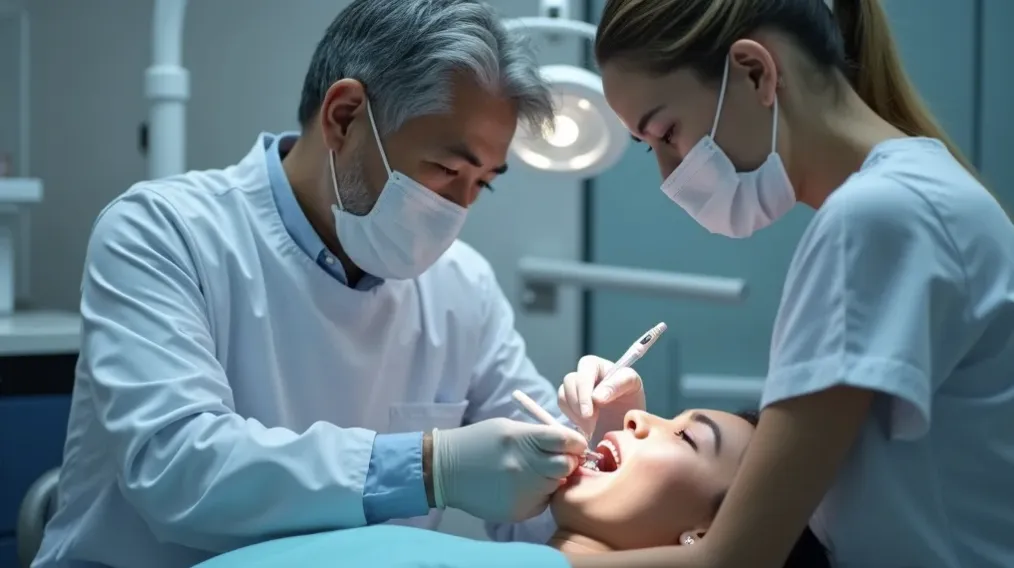
Composite bonding is a versatile cosmetic dental procedure that uses tooth-colored resin to repair minor chips, cracks, gaps, and discoloration. Your cosmetic dentist sculpts and bonds the material directly to your tooth, blending seamlessly with the surrounding enamel. Bonding is typically pain-free, involves minimal removal of healthy tooth structure, and can often be completed in just one visit.
Although less durable than porcelain veneers, bonding is a cost-effective, reversible solution for mild to moderate aesthetic concerns. It’s especially popular among younger patients and those seeking to address isolated flaws before committing to more involved procedures.
Tooth and Gum Contouring for Smile Symmetry
Shaping teeth for a harmonious smile
Laser gum reshaping for “gummy” smiles
Tooth contouring reshapes uneven, pointy, or overlapping teeth to produce a more balanced smile. With careful sculpting, your cosmetic dentist can subtly improve shape and proportion while preserving healthy enamel. Gum contouring or “laser gum reshaping” addresses excessive or uneven gum tissue—a quick, minimally invasive option that makes teeth appear longer and more symmetrical.
These cosmetic dentistry procedures often accompany other treatments, such as whitening or veneers, to refine smile aesthetics. Because gum contouring involves delicate tissue, it’s important to ensure you have healthy gums before starting. Your dentist will discuss any contraindications, expected healing, and maintenance during your consultation.
Clear Aligners in Cosmetic Dentistry: Discreetly Straightening Teeth
How clear aligners work
Cases suitable for clear aligner therapy
Clear aligners like Invisalign have transformed the way adults and teens correct crooked teeth without traditional metal braces. These custom, nearly invisible trays gradually shift teeth into ideal alignment over several months. They’re removable for meals and brushing, making dental care and oral hygiene much easier during treatment.
Clear aligners suit mild to moderate misalignment, close gaps, and fix crowding—sometimes as part of a larger smile makeover. Your cosmetic dentist will determine if you’re a candidate, using 3D scans to plan and visualize every movement. For severe or complex cases, traditional braces or orthodontic treatments may be recommended instead.
Cosmetic Dental Crowns: Restoring Form and Function
Aesthetic dental crowns vs. traditional crowns
Materials: porcelain, ceramic, zirconia
When a tooth is too damaged for bonding or veneers but still viable, a dental crown can offer both cosmetic and functional restoration. Today’s aesthetic crowns are made from high-strength porcelain, ceramic, or zirconia—materials that closely mimic natural enamel in translucency and color, blending beautifully with your smile.
Cosmetic crowns fit over the entire tooth, restoring shape, strength, and appearance after fractures, root canals, or failed fillings. Unlike older metal-based options, cosmetic crowns are highly biocompatible and stain-resistant, supporting both oral health and aesthetics as part of your treatment plan.
Cosmetic Procedures Comparison: Making Informed Choices
Veneers vs. Bonding in Cosmetic Dentistry
Teeth Whitening vs. Veneers: Which Cosmetic Procedure Is Right for You?
Cosmetic Dentistry vs Restorative Dentistry: Understanding the Distinction
Benefits and Limitations of Cosmetic Dentistry
Top Benefits of Cosmetic Dental Procedures
Boosted self-confidence
Improved oral function
Customizable, minimally invasive approaches
Cosmetic dental procedures don’t just enhance your appearance—they also boost emotional well-being and can even improve oral function in cases where alignment or bite are addressed. Patients often report increased confidence, a brighter outlook on social and professional life, and a renewed commitment to oral hygiene. Many procedures are customizable and can be done with minimal discomfort or downtime, keeping natural tooth structure intact whenever possible.
The biggest benefit, however, is the ability to tailor every aspect of your smile according to your health, needs, and preferences. From subtle whitening to a dramatic full-mouth makeover, today’s cosmetic dentistry treatments offer lasting solutions designed for your lifestyle.

Limitations and Considerations
Dependence on oral and gum health
Potential need for ongoing maintenance
Not all treatments are suitable for every patient
No cosmetic dental procedure can replace the need for routine dental care and healthy oral habits. Results depend on your baseline oral and gum health, and some procedures—like whitening or bonding—may require periodic touch-ups to maintain their appearance. Certain conditions, such as untreated cavities or gum disease, must be resolved before cosmetic work can begin.
Proper consultation with a skilled cosmetic dentist ensures you receive recommendations tailored to your unique anatomy, health history, and expectations. Not every treatment is right for every patient—your dentist will always prioritize health, function, and long-term success over short-term trends.
Expectations, Recovery, and Long-Term Maintenance After Cosmetic Dentistry
What Does Recovery Look Like for Cosmetic Dental Procedures?
Varying downtime by procedure type
Post-procedure symptoms and care tips
Recovery varies by cosmetic procedure. Many treatments, such as whitening and bonding, offer immediate results with little to no downtime—most patients resume regular activities the same day. More involved procedures like veneers and crowns may require brief sensitivity or temporary adjustments as your smile settles. Your cosmetic dentist will provide specific aftercare instructions and symptom relief as needed.
Common short-term symptoms include mild sensitivity, slight gum tenderness, or brief discomfort at the treatment site. Sticking to soft foods, proper brushing, and gentle oral hygiene will support healing and minimize complications. Always attend scheduled follow-up visits so your dentist can monitor your progress and ensure a comfortable, lasting result.
Long-Term Maintenance Checklist
Oral hygiene routines
Protective habits (e.g., nightguards)
Regular dental care visits
Commit to healthy oral habits beyond the dental chair to maximize the lifespan of your cosmetic results. Brush twice a day with fluoride toothpaste, floss daily, and avoid biting on hard foods or using your teeth as tools. If you grind or clench, your dentist may recommend a custom nightguard to prevent wear on veneers, crowns, or bonding.
Regular dental checkups allow for early detection of issues and professional cleaning, helping your new smile stay bright and healthy for years to come. If you had whitening, periodic touch-ups may be recommended to maintain results. Above all, communication with your cosmetic dentist keeps you informed and empowered on your smile journey.

Choosing the Right Cosmetic Dental Treatment: A Personalized Decision Guide
Signs You May Benefit from Cosmetic Dentistry
Persistent dissatisfaction with your smile
Chipped, cracked, or misshapen teeth
Discoloration not responsive to cleaning
Gaps or misalignment
Worn, short, or uneven teeth
If any of the above apply to you, you may be an excellent candidate for a cosmetic dental procedure. Even if you’ve previously had orthodontic treatments, aging, wear, or lifestyle factors can change your dental needs over time. An expert cosmetic dentist will address your concerns and work within your oral health reality, not just aesthetics.
Step-by-Step Smile Consultation Checklist
Prepare questions about smile goals
Review medical and dental history
Discuss imaging and digital previews
Explore individualized treatment plan options
Bring this checklist to your first visit! Open conversation, shared goal-setting, and digital imaging ensure you receive honest advice and care that aligns with both your dental health and appearance goals. Never hesitate to ask for previews or clarification—your cosmetic dentist is there to partner with you.
Which Cosmetic Dental Treatment Is Right for Me?
Consider tooth and gum health, bite, color, shape, and patient goals
Collaboration with a skilled cosmetic dentist is essential
Choosing between teeth whitening, veneers, clear aligners, or other cosmetic options means considering your baseline oral health, desired results, budget, and readiness for maintenance. There is no one-size-fits-all answer—a personalized consultation, clear communication, and mutual goal-setting are the only ways to know which treatment is right for you.
A skilled cosmetic dentist will never pressure you toward a single “best” solution. Instead, they’ll help you weigh possibilities in light of your oral health, lifestyle, and long-term expectations, ensuring both safety and satisfaction.
Cosmetic dentistry enhances both dental aesthetics and oral function.
Your personal goals, oral health, and skillful planning are crucial for success.
Professional maintenance extends the lifespan of cosmetic dental work.
Artistry, science, and trust drive true smile transformation.
Cosmetic Dentistry Guide
Cosmetic dentistry enhances dental aesthetics and function.
Personalized assessment is crucial for best results.
Professional maintenance is key to longevity of cosmetic dental work.
A skilled cosmetic dentist combines artistry and science for transformative, healthy smiles.
People Also Ask: Cosmetic Dentistry FAQs
What is considered cosmetic dentistry?
Cosmetic dentistry refers to elective dental care focused on improving the look of your teeth, gums, and smile. Common procedures include teeth whitening, dental veneers, bonding, teeth reshaping, and smile makeovers, all designed to enhance aesthetics without necessarily changing function.
What is cosmetic dentistry?
Cosmetic dentistry is the area of dental care that uses advanced materials and artistic techniques to improve the appearance of your smile while often supporting oral health. Treatments address color, shape, size, position, and alignment for a smile that’s both healthy and attractive.
How much does a cosmetic dentist cost?
Fees for cosmetic procedures vary significantly based on the treatment type, case complexity, materials, and your geographic location. Teeth whitening is generally more affordable, while procedures like porcelain veneers or a full smile makeover are higher investments. Most dental insurance plans do not fully cover elective cosmetic services.
What is the best cosmetic dental procedure?
The best cosmetic procedure is the one that addresses your unique needs, oral health, and goals. Whitening is great for surface stains; veneers fix shape, gaps, and deep discoloration; bonding is ideal for small repairs; aligners discreetly straighten teeth. Your dentist will recommend the most effective option after a personalized assessment.
Frequently Asked Questions About Cosmetic Dentistry
What is cosmetic dentistry?
Cosmetic dentistry focuses on improving the appearance of your smile using treatments such as whitening, veneers, and bonding, while supporting your overall oral health.What is a smile makeover?
A smile makeover is a customized treatment plan combining several cosmetic dental procedures to address multiple concerns and enhance your overall smile.What is smile design?
Smile design is the process of analyzing facial features and designing a personalized smile based on principles of symmetry, tooth proportion, and patient preferences.What cosmetic dental treatments are available?
Common cosmetic dental treatments include whitening, veneers, crowns, bonding, gum contouring, and clear aligners, planned based on your goals and oral health.Are veneers permanent?
Veneers are a long-term cosmetic solution. Porcelain veneers can last many years, though they may need replacement or repair due to wear, damage, or natural changes.Does teeth whitening damage enamel?
When performed professionally, teeth whitening is safe and does not permanently damage enamel. Overuse or improper use can increase sensitivity or temporary irritation.Is cosmetic dentistry painful?
Most cosmetic dental procedures are minimally invasive and use local anesthetic for comfort. Some treatments may cause short-term sensitivity or mild discomfort afterward.How long do cosmetic dental treatments last?
Longevity varies by procedure and patient habits. Professional maintenance, oral hygiene, and avoiding harmful habits can help cosmetic treatments last for years.Can cosmetic dentistry improve crooked teeth?
Yes—clear aligners, veneers, or bonding may improve the appearance of crooked teeth. Your cosmetic dentist will recommend the best approach for your smile.Who is a good candidate for cosmetic dentistry?
Good candidates have healthy gums, sufficient enamel, stable oral health, and specific cosmetic goals. A professional assessment will confirm your suitability.How do I maintain cosmetic dental work?
Maintain with daily brushing, flossing, and regular dental visits. Avoid biting on hard objects and protect against teeth grinding to prolong results.Is cosmetic dentistry covered by insurance?
Most cosmetic procedures are considered elective and are not fully covered by dental insurance. Some restorative elements may have partial coverage—check your policy.
S. Raj, M.D. / Bestdentists.com
Director, Search Intelligence University/IABLEd
International Association for Business Leaders’ Education
Sources
https://www.ada.org/resources/research/science-and-research-institute/oral-health-topics/cosmetic-dentistry – American Dental Association
https://www.aacd.com/cosmetic-dentistry-faqs – American Academy of Cosmetic Dentistry
https://www.mouthhealthy.org/all-topics-a-z/cosmetic-dentistry – MouthHealthy (ADA)
https://www.ncbi.nlm.nih.gov/pmc/articles/PMC7399269/ – PubMed Central
The IABLEd Dental Intelligence University
The Definitive Curriculum for Modern Dentistry and Oral Health
Praevenire. Curare. Sorridere.
Prevent. Treat. Smile.
Want Your World to Discover You,
the Easy Way?
Experience exceptional dental care while discovering the confidence of a healthier smile.
We provide the expertise, technology, and personalized treatment to help you achieve lasting oral health and beautiful, confident smiles. Ask us how.
Copyright 2026. Best Dentist Near Me. All Rights Reserved.


* * * * *
COMPANY
30721 Russell Ranch Rd Suite 140, Westlake Village, CA 91362
CUSTOMER CARE
Get In Touch
Mon – Thurs
10:00am – 4:00pm
Fridays by Appointment
Saturday, Golf
Sunday –hurch
LEGAL
Stay informed about how new technology can make or break a brand.
FOLLOW US


Prevent. Restore. Smile.
© 2026 IABLEd Dental Intelligence Academy | All Rights Reserved.
1: Oral Health Foundations 2: Preventive Dentistry & Patient Care 3: Restorative Dentistry & Treatment Planning 4: Advanced Clinical Techniques & Digital Dentistry 5: Cosmetic & Comprehensive Dental Care 6: Bonus Dental Masterclass Series