
Complete and Partial Dentures, Types, Benefits, Care, and Implant Options
Author; S.Raj, M.D, Updated: 7/28/2026 Reading Time: 5 Minutes
Dentures Explained
Imagine confidently sharing a family meal or giving a heartfelt smile in photos—without hesitation. For millions facing tooth loss, dentures offer a reliable way to restore chewing function, clear speech, and natural appearance. This comprehensive guide walks patients and their loved ones through every aspect of dentures, from the reasons they’re recommended to the latest advances in comfort, aesthetics, and oral health.
Understanding Dentures: What They Are and Why They're Needed
Definition: Dentures are removable dental appliances designed to replace missing teeth and restore your smile and oral function. They closely mimic natural teeth and surrounding gum tissue, using materials shaped and colored to look lifelike and feel comfortable.
Who needs dentures? People who have lost several or all teeth due to decay, gum disease, injury, or aging are typical candidates. Dentists recommend dentures when natural teeth can no longer be preserved or their absence affects eating, speech, or confidence.
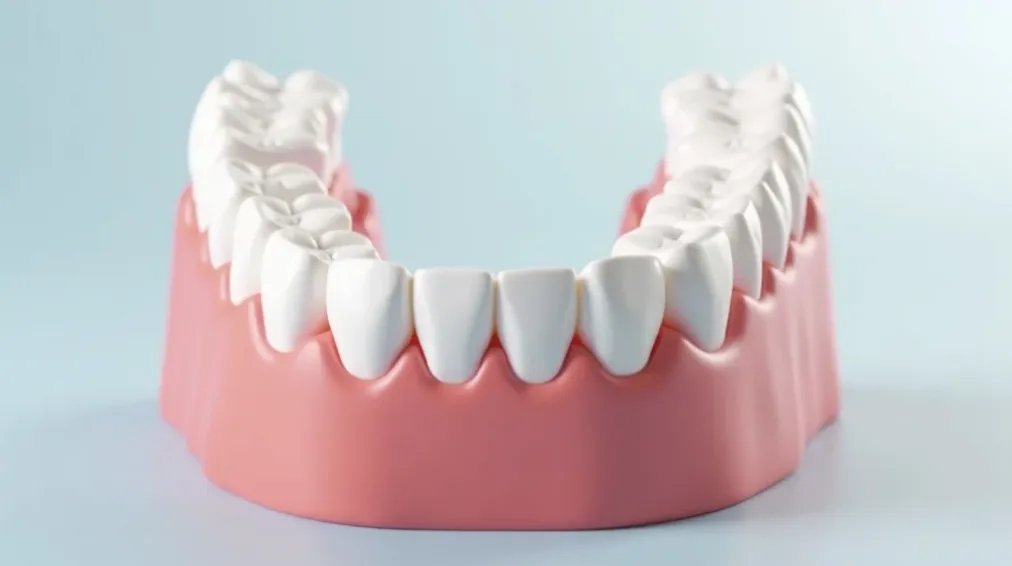
“Dentures restore function and appearance for those missing teeth, improving confidence and quality of life.” – Board-Certified Prosthodontist
What You'll Learn in This Dentures Guide
The types of dentures available and who each is best for
How dentures are made and fitted in modern dental clinics
Advantages and limitations of dentures, including benefits and what they can’t replace
How to care for your dentures and maintain lifelong oral health
Key considerations when choosing the right denture
Tooth Loss, Oral Health, and Bone Changes
Consequences of tooth loss: Losing natural teeth is more than cosmetic—it can affect chewing, speech, and even the health of your jawbone. The jawbone depends on stimulation from tooth roots. Without teeth, bone gradually recedes, and facial muscles may sag, impacting appearance and function.
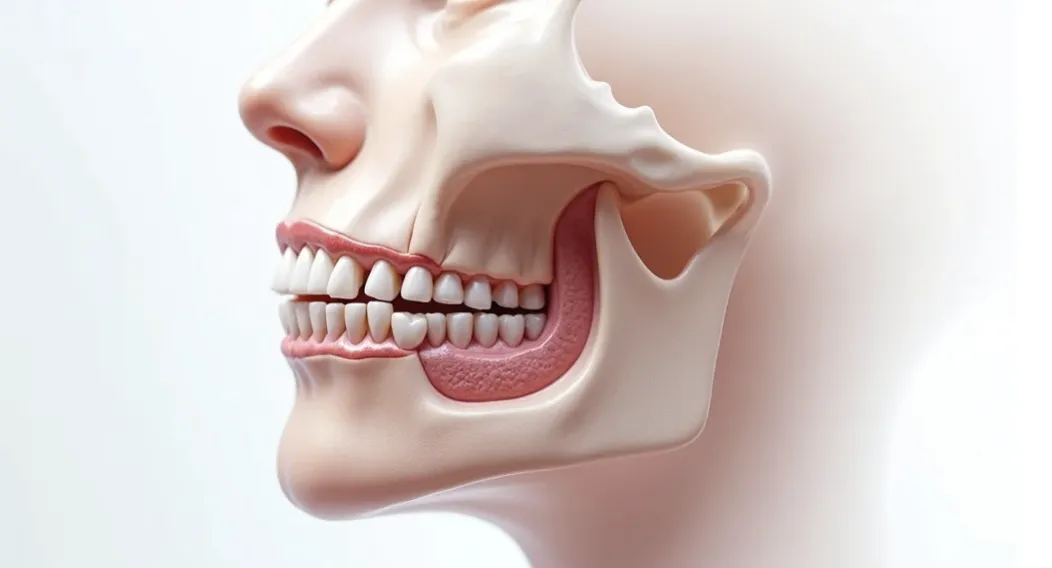
Bone loss and oral changes: When teeth are missing, the jawbone beneath can shrink (atrophy), making the fit of future dentures more challenging. This bone loss is often gradual and painless, underscoring why early replacement of missing teeth helps maintain both function and facial structure.
“Tooth loss isn’t just a cosmetic issue—it can affect jawbone support, chewing, and speech.” – Prosthodontic Association
Types of Dentures: Comprehensive Overview
There are several types of dentures. Each serves specific needs depending on how many teeth you’ve lost, your oral structures, and your treatment preferences. Below is an overview of the most common options, including complete dentures, partial dentures, immediate, and implant-supported versions.
For those considering partial dentures or exploring alternatives for replacing several missing teeth, it's helpful to understand the differences between partial dentures and other restorative options. You can find a detailed comparison of partial dentures and dental bridges, including their benefits and limitations, to help you make an informed decision with your dental professional.
Complete Dentures (Full Denture and Complete Denture)
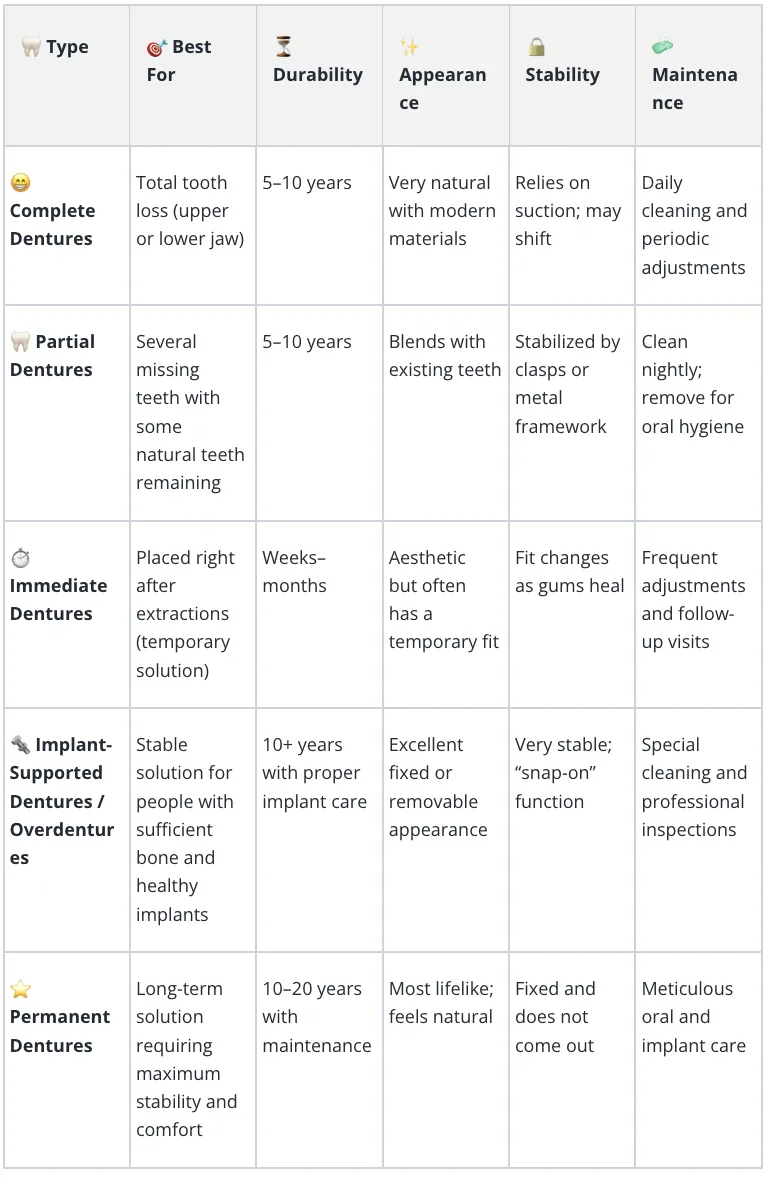
What are full/complete dentures? Complete dentures (also called full dentures) replace all the teeth in an upper or lower jaw (arch). They rest directly on the gums and are supported by the underlying bone and soft tissue.
When are they recommended? Complete dentures are used when all natural teeth are missing in a single arch, typically after advanced gum disease or severe decay. They are classic, effective, and widely used solutions for total tooth loss.
Partial Dentures (Partial Denture and Partial Dentures)
What are partial dentures? A partial denture is custom-made to fill gaps when only some teeth are missing. They anchor onto remaining natural teeth, restoring your ability to chew and speak, and preventing remaining teeth from shifting.
Who benefits? Partial dentures are ideal if you have several missing teeth but still retain healthy natural teeth. They are removable and offer a versatile, less invasive way to restore a functional bite and appearance.
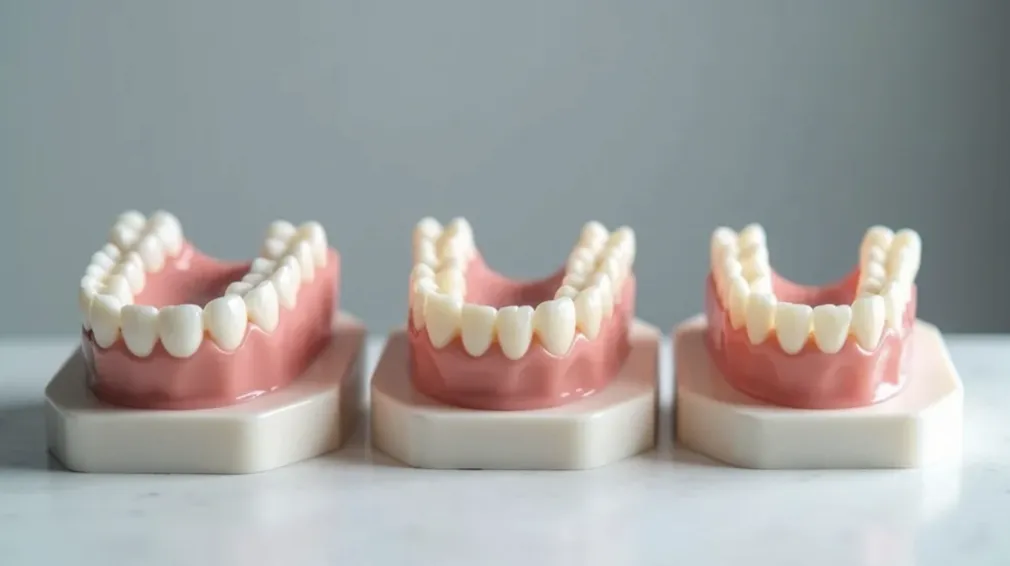
Immediate Dentures and Temporary Options
What are immediate dentures? Immediate dentures are made in advance and placed right after teeth are removed, so you never go without teeth. While convenient, they often require later adjustments as your gums and bone heal.
What to expect: Temporary dentures help maintain appearance and function while the gums recover, but may not fit as perfectly as your final denture due to natural healing shrinkage.
Implant-Supported Dentures and Overdentures
What are implant-supported dentures? These dentures attach to several surgically placed dental implants in your jawbone. Overdentures “snap” onto implants for added stability, staying in place far more securely than traditional dentures. This can enhance confidence and chewing power.
Who qualifies? Patients with healthy bone and no medical contraindications benefit most. Implant-supported dentures require professional evaluation and sometimes bone grafting.
Permanent Dentures
Permanent dentures usually refer to dentures anchored by implants and not removed nightly. Compared to conventional options, they may offer better comfort, stability, and a natural look—but not all patients qualify, and they require a higher investment and surgery.
Denture Comparison Table: Which Type is Best for You?
How Dentures Restore Chewing, Speech, and Appearance
Eating with dentures: Many new denture wearers wonder if they can “eat normally.” While dentures restore much of your chewing function, you may have to adjust your diet and technique at first. Soft foods and small bites work best in the early days; over time, most people resume a broad range of favorites with confidence.

Speech improvements: Missing teeth can cause changes in speech clarity. Dentures help restore pronunciation, although you may notice minor lisping or adaptation for the first few weeks. Reading aloud and practice speed up adjustment.
Smile restoration & support: Dentures do more than replace teeth—they support lips and cheeks, reduce sagging, and give your smile a natural, confident look.
Step-by-Step Denture Treatment Timeline
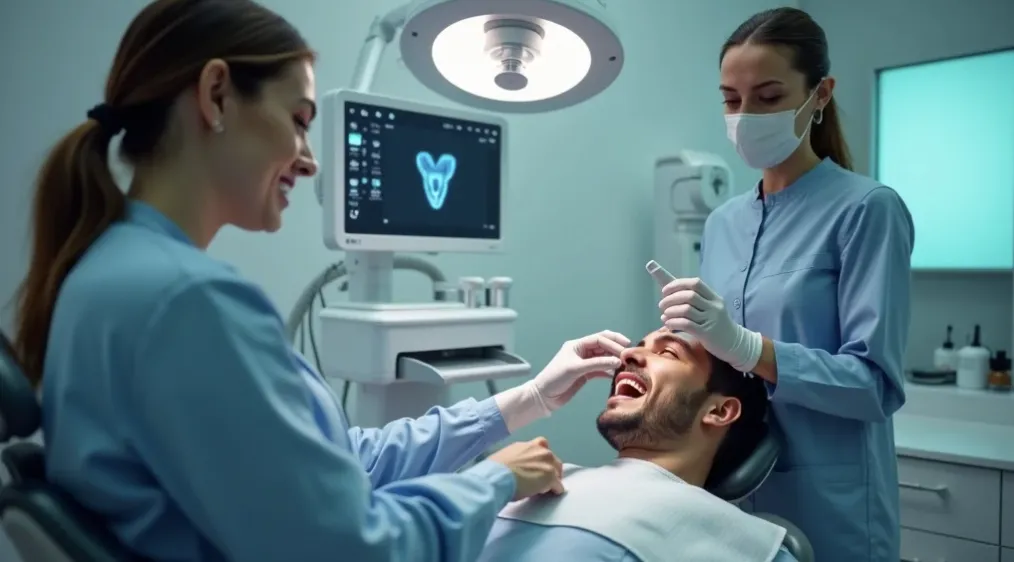
Professional evaluation and consultation with your dentist or prosthodontist
Digital impressions and measurements of jaws and gums
Denture design and fabrication—either digitally or using classic impressions
Try-in appointment for adjustments and comfort checks
Delivery of final denture and initial fitting
Follow-up appointments for further adjustments as needed
Ongoing maintenance recommendations for denture care and oral health
Digital Impressions and Modern Denture Fabrication
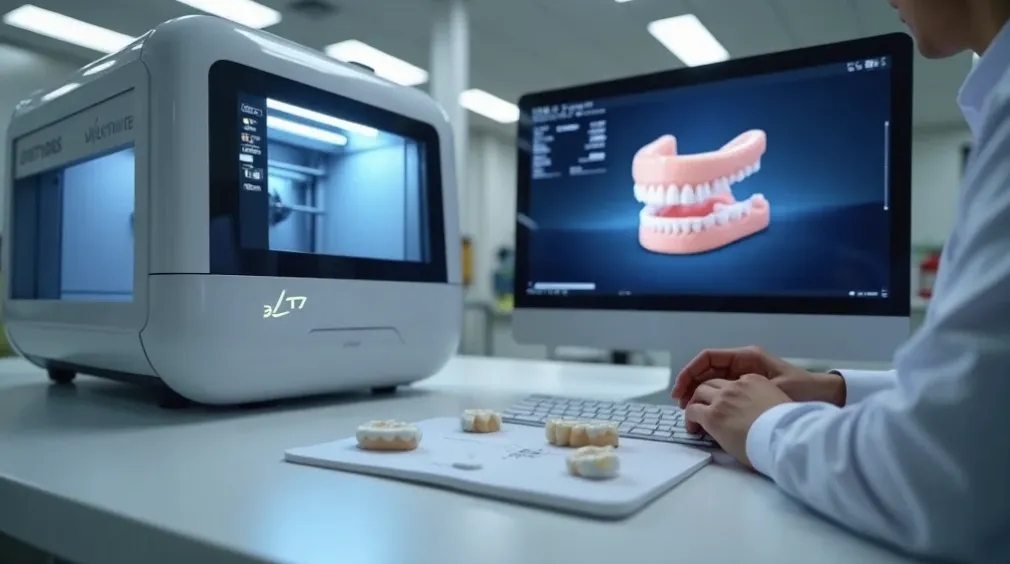
What are digital impressions? Instead of gooey impression trays, digital scanners now capture the shape of your mouth in seconds. The data feeds into software that designs your new dentures with incredible precision—and often means even better fit, comfort, and appearance.
Benefits: Digital workflows improve accuracy, reduce fabrication time, allow for easy adjustments, and provide a virtual “preview” of final dentures. 3D printing is increasingly used to create strong, lifelike prosthetics with smooth finishes.
Denture Fitting and Adjustment Appointments
Fitting process: After you receive your dentures, your dentist carefully checks their fit, bite, and support. It’s common to need several adjustment visits; pressure spots, sore areas, and speech or bite imbalance are corrected for comfort and function.
Common adjustments: Remaking the fit, trimming edges, reshaping bite surfaces, or relining (fitting the inner surface) ensures your dentures stay in place and feel right.
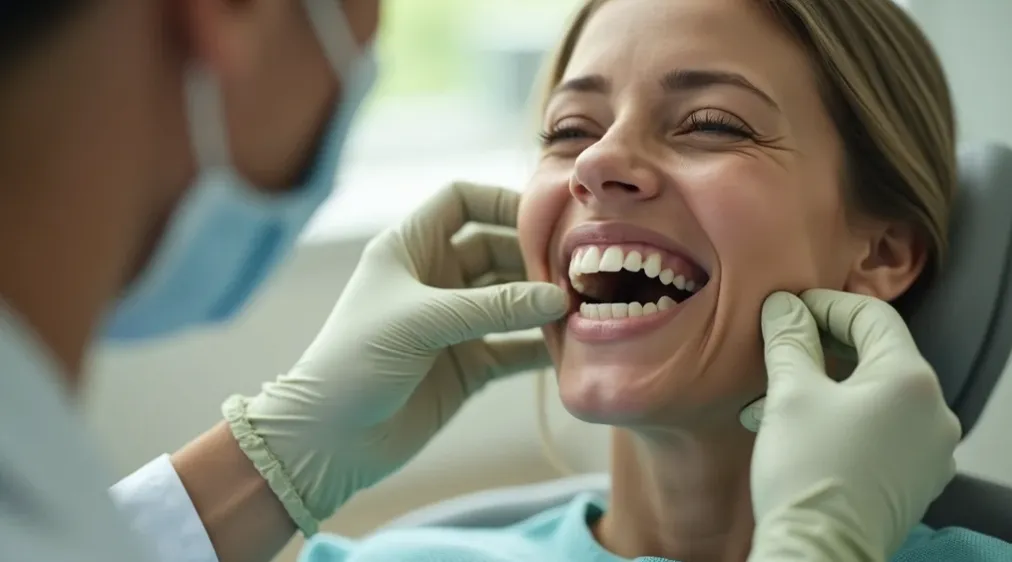
Key Takeaway:Several visits may be needed to ensure your dentures are comfortable and functional.
Recovery and Adaptation Timeline with Dentures
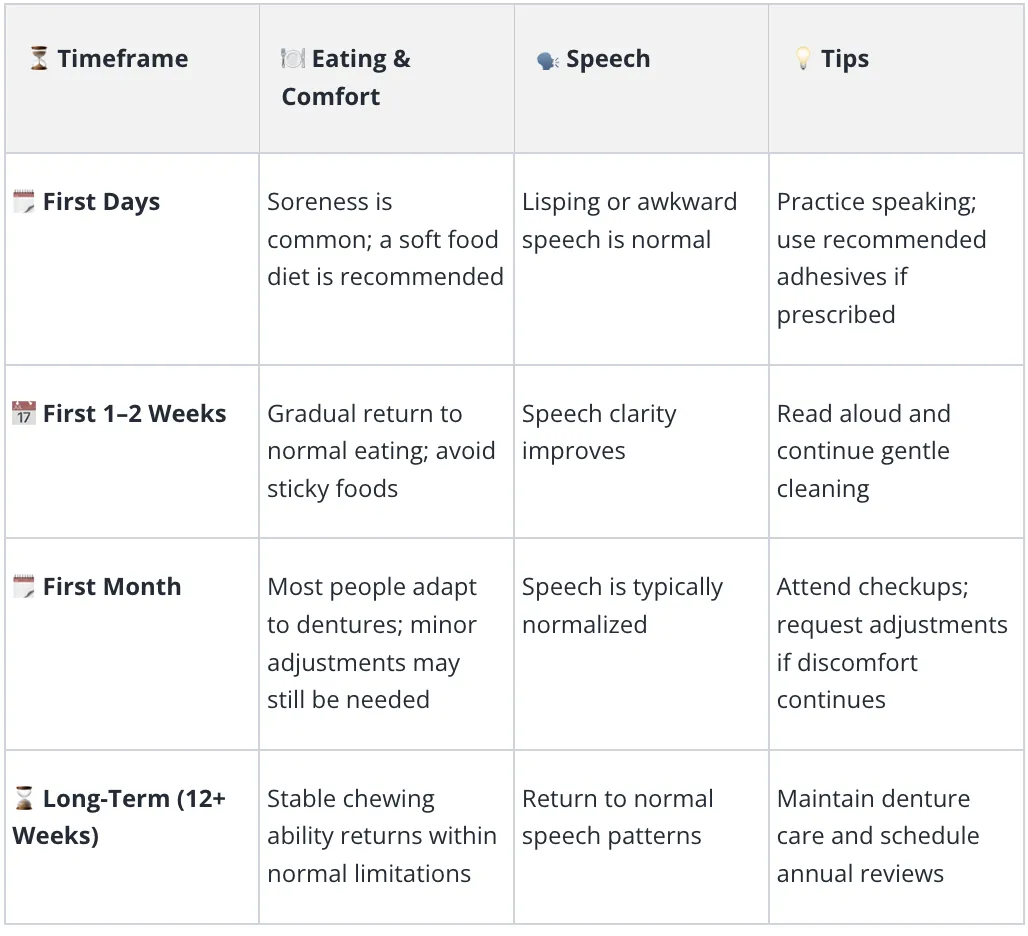
Recovery expectations: It’s perfectly normal for eating and speaking to feel different at first. Gentle patience, practice, and communication with your dental team make the adaptation period smoother.
Patient tips: Start with soft foods, cut food into small bites, chew on both sides, speak and smile as much as possible, and don’t ignore discomfort—your dentist can help!
“Be patient with yourself—most people adjust to new dentures within several weeks.” – Certified Dental Practitioner

Daily Denture Care and Cleaning Checklist
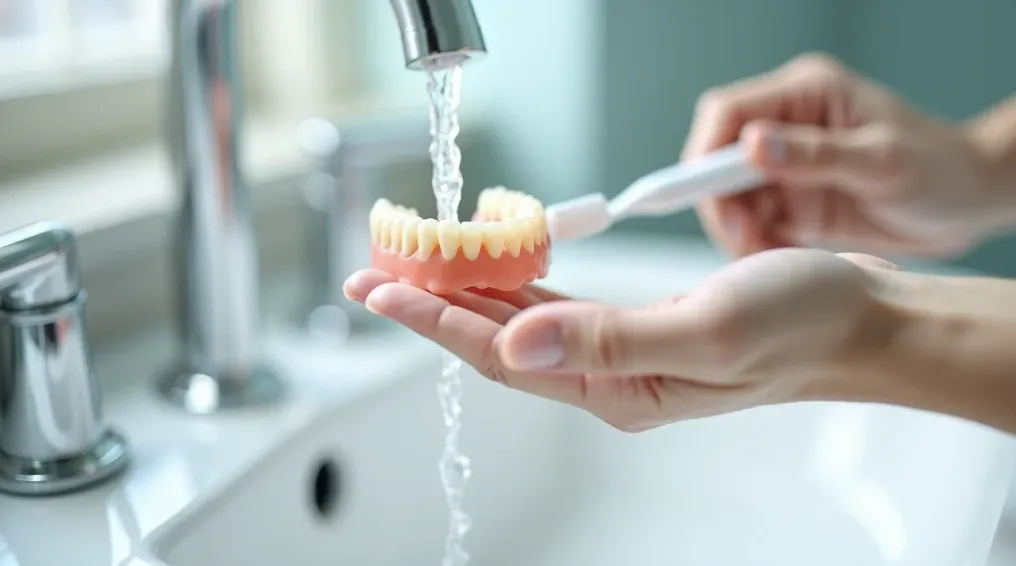
Cleaning routine: Rinse and brush dentures daily with a soft denture brush and non-abrasive cleanser. Remove and soak dentures overnight in a special solution. Rinse well before wearing each morning.
Protect natural teeth: If you have remaining teeth, brush and floss them as usual. Clean your mouth and gums before inserting dentures.
Avoid these mistakes: Don’t use hot water, bleach, or abrasive toothpaste on dentures. Never sleep in dentures unless instructed—your gums need rest!
Checklist for Daily Denture Care:
Remove dentures before cleaning
Brush all surfaces gently with a denture brush
Use mild, non-abrasive denture cleanser
Rinse thoroughly under running water
Soak dentures overnight in cleanser solution
Brush and floss any remaining natural teeth
Rinse your mouth before reinserting dentures
Store dentures in water or solution to prevent drying
How Long Do Dentures Last? Signs You Need Adjustment or Replacement
Average lifespan: Most dentures last 5–10 years, with variations based on daily care, materials, and oral changes. Implant-supported dentures may last longer with maintenance.
Signs you need repair or replacement:
Sores, discomfort, or looseness
Chipping, cracking, or changes in appearance
Difficulty chewing or speaking
Noticeable odor or persistent stains
It’s been more than five years since your last assessment
“Worn, ill-fitting dentures can cause discomfort and oral health issues—regular professional assessments are crucial.” – Clinical Advisor
Dentures vs Bridges vs Dental Implants: Options After Tooth Loss
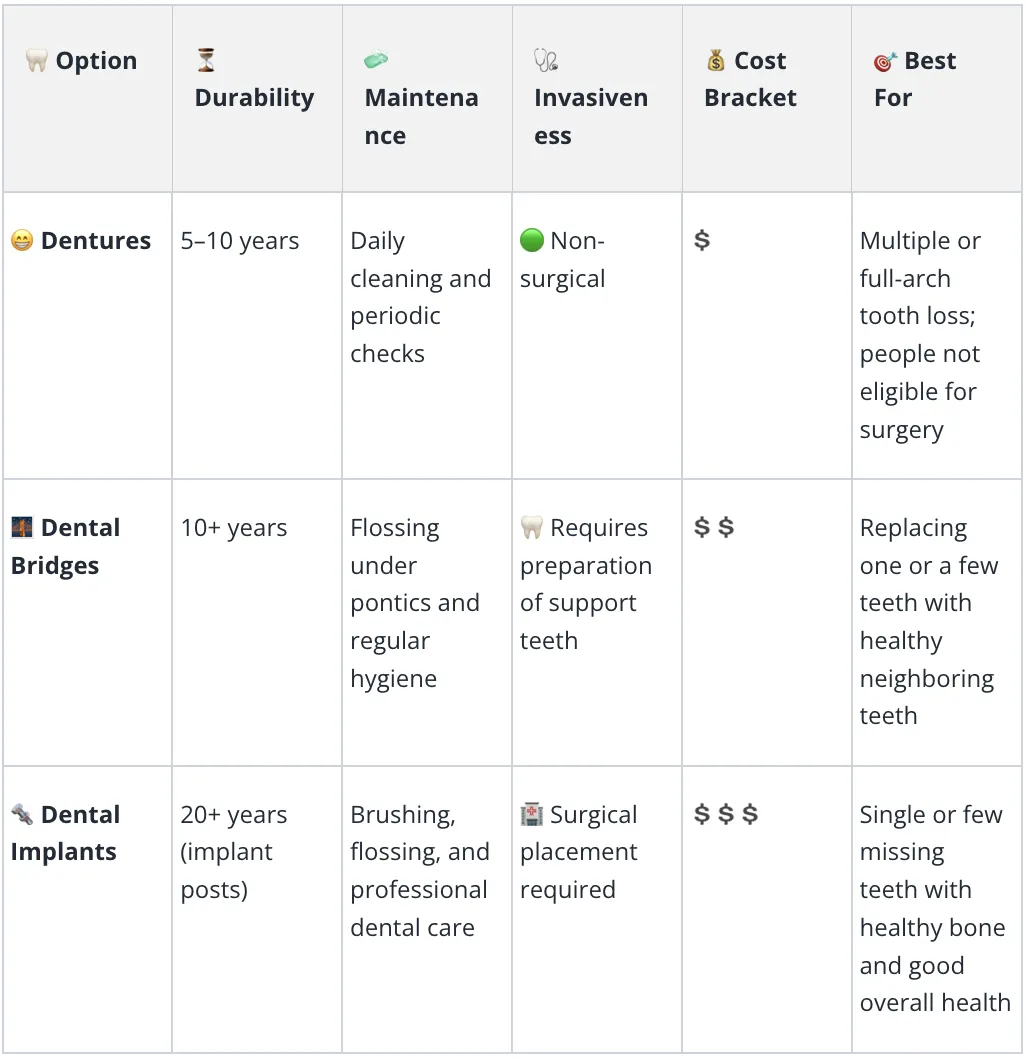
Who benefits from each solution? Dentures work well for those with extensive tooth loss or medical conditions limiting surgery. Implants are durable but need sufficient bone and health. Bridges are best for one-to-several missing teeth with healthy support teeth.
When to choose dentures: Consider dentures if you’ve lost several or all teeth, have jawbone shrinkage, or aren’t a candidate for implant or bridge treatment. A professional dental evaluation helps clarify your best path.
Preventing Problems After Tooth Loss: Preserving Jawbone and Oral Health
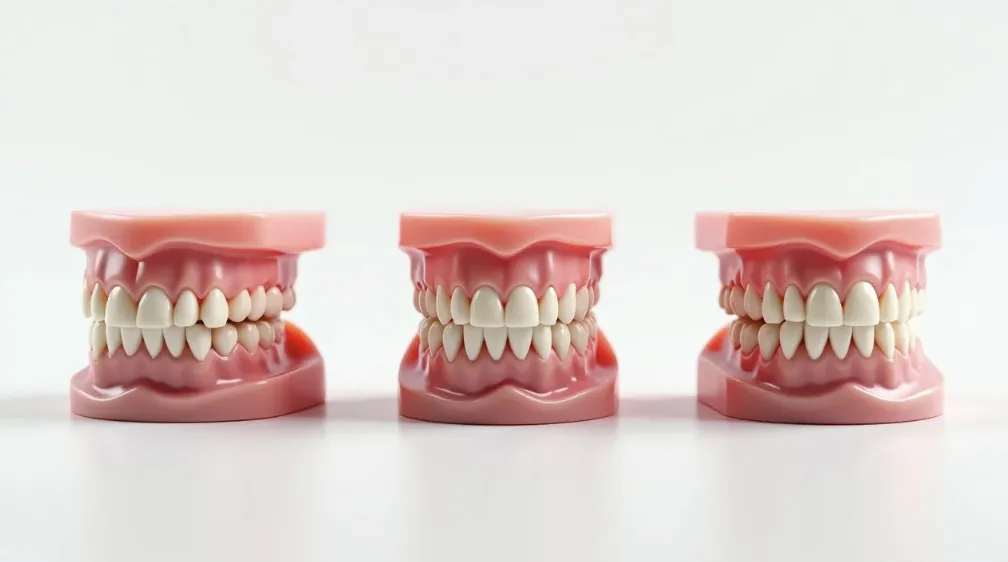
Timely treatment matters: The longer you wait after losing teeth, the greater the risk of jawbone loss, drifting of existing teeth, and changes in bite. Replacing missing teeth quickly with dentures or implants helps preserve your smile, jaw function, and oral health.
Role of oral hygiene and restorations: Consistent brushing, flossing, and professional dental care help prevent further tooth loss and infections. Dentures, bridges, and dental implants all play a role in preventing bone shrinkage and maintaining overall oral function.
Who Is a Good Candidate for Dentures? Decision Guide
Key considerations: The number of missing teeth, jawbone health, gum condition, medical history, and lifestyle all influence your best choice. Professional input is critical.
Professional evaluation: A trusted dentist evaluates your oral tissues, bone support, bite, and health status to determine if partial dentures, complete dentures, implant options, or a combination is most appropriate.
Some may benefit from bridges or implants: If you have healthy supporting teeth or sufficient jawbone, alternative solutions like dental bridges or implant-supported dentures might offer better long-term results.
This overview video explains major denture options, shares a step-by-step treatment journey, and features real patient testimonials. See 3D animations of dentures being custom-fit, learn about digital scanning, and hear from people whose lives were changed by a new smile.
People Also Ask: Answers to Top Denture Questions
What is the best type of denture to get?
The best type depends on how many teeth you are missing, jawbone health, and your goals. Options include complete dentures, partial dentures, and implant-supported dentures. Your dentist will recommend what’s best for your situation after a complete evaluation.
How much would a set of dentures cost?
Denture pricing varies depending on type (full, partial, implant-supported), materials, need for extractions, and location. After a clinical exam, your dentist will provide a cost estimate tailored to your needs.
Can you sleep with dentures in?
Most dentists recommend removing dentures at night to let your gums rest and reduce infection risk. Some immediate or temporary dentures may be kept in overnight, but only as directed by your provider.
Can I get dentures without going to the dentist?
Safe, effective dentures require professional assessment and custom fitting. Mail-order or “DIY” dentures carry high risks of poor fit, pain, and oral complications—always see a qualified dentist for best results.
Watch as digital impressions are taken, custom dentures are designed and fabricated in a dental lab, and fit adjustments are made for a lifelike, comfortable result.
FAQ: Your Most Common Denture Questions Answered
What are dentures?
Dentures are removable, custom-made dental appliances that replace missing teeth and gum tissue. They restore appearance, chewing function, and oral support for those who have lost some or all natural teeth.
What types of dentures are available?
Main types include complete dentures (full arch replacement), partial dentures (for gaps), immediate dentures (placed right after extractions), and implant-supported dentures for extra security. Your dentist will guide your choice.
What is the difference between complete and partial dentures?
Complete dentures replace all teeth in an upper or lower jaw. Partial dentures fill only the gaps where some natural teeth remain, using clasps or attachments for stability.
How are dentures made?
Your dentist takes detailed impressions of your mouth. Modern clinics may use digital scanners and 3D printing for a precise, comfortable fit. The final denture is custom-colored and shaped.
How long do dentures last?
Most dentures last 5–10 years before needing replacement or relining due to wear or changes in your mouth.
Are dentures comfortable?
Properly fitted dentures are generally comfortable, though initial adaptation may take a few weeks and might need several adjustments.
Can dentures improve chewing?
Yes, dentures improve chewing ability compared to missing teeth, though not as efficiently as natural teeth or dental implants. Most people enjoy a full, varied diet after adaptation.
How do I clean dentures?
Brush dentures daily with a soft brush and gentle denture cleaner. Soak overnight as instructed and rinse thoroughly before wearing.
Can dentures be repaired or relined?
Yes. Your dentist can repair broken dentures or reline them to adjust fit as your mouth changes.
Are implant-supported dentures worth considering?
For the right candidates, implant-supported dentures offer improved stability and comfort, but require surgery and a higher investment. Ask your dentist if you qualify.
Can I sleep with dentures?
Generally, remove dentures at night to rest gums and maintain oral health—unless directed otherwise for temporary or healing situations.
How often should dentures be replaced?
Dentures generally need replacement every 5–10 years, or sooner if they become loose, damaged, or uncomfortable.
Ready to explore your denture options or need a caring professional for advice? Contact us today to schedule your consultation and restore your confident smile.
If you’re interested in taking the next step toward a healthier, more confident smile, exploring the full range of restorative dental solutions can be invaluable. Whether you’re weighing the pros and cons of dentures, bridges, or implants, understanding your unique needs and available options is key to long-term oral health. For a broader perspective on dental care providers and to connect with experienced professionals in your area, visit our comprehensive dentist directory. Discover advanced techniques, patient-focused care, and the support you need to make the best decision for your smile’s future.
S. Raj, M.D. / Bestdentists.com
Director, Search Intelligence University/IABLEd
International Association for Business Leaders’ Education
Sources
https://www.aspendental.com/dentures/ - Dentures: Types, Benefits, and Repairs
https://medlineplus.gov/dentures.html - Dentures
https://www.mouthhealthy.org/all-topics-a-z/dentures - Dentures
https://www.webmd.com/oral-health/dental-health-dentures - Dental Health and Dentures
https://www.affordabledentures.com/dentures - Dentures: Types & Benefits
https://en.wikipedia.org/wiki/Dentures - Dentures
https://www.gotoapro.org/dentures-faq/ - Frequently Asked Questions about Dentures
The IABLEd Dental Intelligence University
The Definitive Curriculum for Modern Dentistry and Oral Health
Praevenire. Curare. Sorridere.
Prevent. Treat. Smile.
Want Your World to Discover You,
the Easy Way?
Experience exceptional dental care while discovering the confidence of a healthier smile.
We provide the expertise, technology, and personalized treatment to help you achieve lasting oral health and beautiful, confident smiles. Ask us how.
Copyright 2026. Best Dentist Near Me. All Rights Reserved.


* * * * *
COMPANY
30721 Russell Ranch Rd Suite 140, Westlake Village, CA 91362
CUSTOMER CARE
Get In Touch
Mon – Thurs
10:00am – 4:00pm
Fridays by Appointment
Saturday, Golf
Sunday –hurch
LEGAL
Stay informed about how new technology can make or break a brand.
FOLLOW US


Prevent. Restore. Smile.
© 2026 IABLEd Dental Intelligence Academy | All Rights Reserved.
1: Oral Health Foundations 2: Preventive Dentistry & Patient Care 3: Restorative Dentistry & Treatment Planning 4: Advanced Clinical Techniques & Digital Dentistry 5: Cosmetic & Comprehensive Dental Care 6: Bonus Dental Masterclass Series