
How Dentists Can Treat Tooth Decay Without Fillings
Author; S.Raj, M.D, Updated: 7/21/2026 Reading Time: 5 Minutes
Early Cavity Treatment Explained
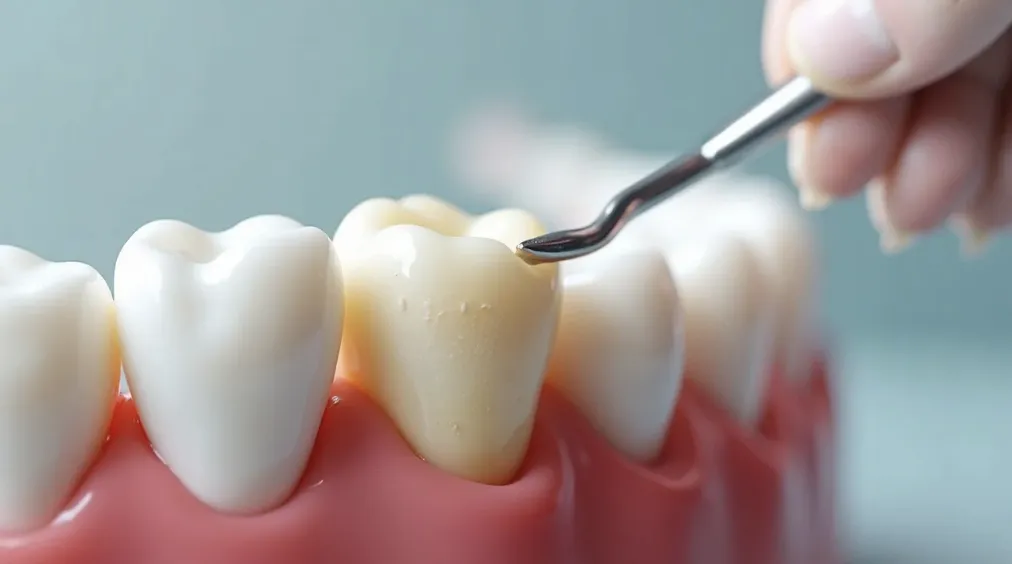
Picture this: You glance in the mirror and spot a faint white spot on your tooth, or your dentist gently points out signs of early tooth decay during a checkup. For many, this news is unexpected. Yet, thanks to modern preventive dentistry, early decay can be stopped—and sometimes even reversed—before the dentist ever picks up a drill. What’s the secret? Comprehensive early cavity treatment using nonrestorative techniques that safeguard your natural smile and prevent cavities from getting worse.
What You'll Learn in This Guide
What early tooth decay is and why early treatment matters
How dental caries develop and the role of plaque and acid attacks
How dentists detect cavities early using exams and advanced technology
Which nonrestorative cavity treatments can halt or reverse decay without fillings
How to prevent tooth decay for yourself and your family
Key Takeaways: Early Tooth Decay and Nonrestorative Treatment
Early tooth decay can often be stopped or reversed if found quickly—sometimes without the need for dental fillings.
Nonrestorative cavity treatments focus on repairing early damage, protecting your teeth, and preventing cavities from advancing.
Professional cavity detection and regular dental examinations are critical for catching and managing decay in its earliest stages.
Fluoride varnish, silver diamine fluoride, and dental sealants are safe, proven, and noninvasive treatment options for many patients.
Introduction to Early Tooth Decay and Modern Cavity Care
Understanding Early Tooth Decay: Why Early Intervention Matters
Imagine noticing a faint white spot on your tooth in the mirror or having your dentist point out early signs of decay during a dental examination.
For many, early tooth decay comes as a surprise—yet it can be halted or even reversed before a filling is ever needed.
This guide explores how modern preventive dentistry saves teeth with nonrestorative cavity treatment and what you can do to protect your smile.

What Is Tooth Decay?
Understanding Dental Caries and the Decay Process
Defining Tooth Decay and Dental Caries
Tooth decay, also called dental caries, is a process in which bacteria in plaque feed on sugars and release acids. These acids gradually wear away the enamel surface—the hard, protective outer layer of your teeth.
If not addressed, this decay process leads to mineral loss, also known as demineralization, which eventually forms cavities.
Importantly, decay starts at a microscopic level—long before a visible hole or cavity is present, making early detection critical.
The Stages of Tooth Decay: Demineralization and Remineralization
Early tooth decay often begins beneath the surface as subsurface demineralization, before any holes appear.
The good news is enamel can repair itself through a process called remineralization, helped by saliva and topical fluoride treatments.
If damage continues without intervention, decay can progress from enamel into the dentin, creating irreversible damage and the need for a filling or restorative care.
How Cavities Develop: The Tooth Decay Process Explained
How Plaque Bacteria and Acid Attacks Lead to Dental Caries
The sticky film on your teeth, known as plaque biofilm, is filled with bacteria like Streptococcus mutans.
When these bacteria encounter sugary foods and drinks, they produce acids in a process known as the acid attack.
If these acid exposures happen frequently and last too long, they overwhelm the tooth’s ability to repair itself, resulting in loss of minerals from the enamel and potentially, tooth decay.
White Spot Lesions: The Earliest Sign of Tooth Decay
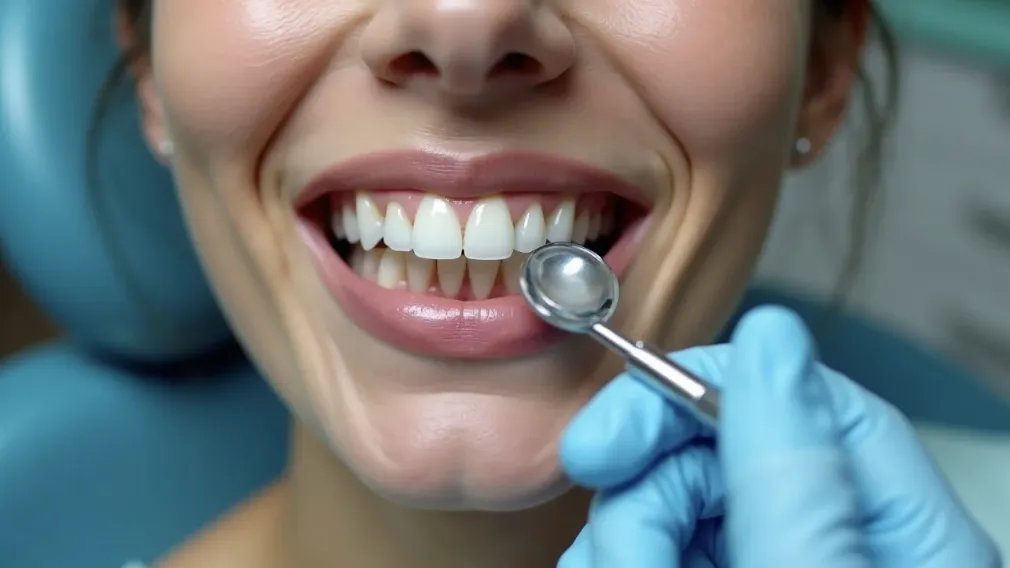
White spot lesions are the first, non-cavitated visible sign of tooth decay. They appear as chalky or dull white patches on tooth surfaces, especially along the gumline or between teeth.
These areas mark subsurface mineral loss. They are a prime target for early cavity treatment using nonrestorative approaches in preventive dentistry.
For those interested in how to find a dental professional who specializes in early cavity detection and nonrestorative care, you can explore a curated list of providers in at this comprehensive dental directory. This resource can help you connect with experts who prioritize preventive dentistry and minimally invasive treatments.
How Dentists Detect Cavities Early: Examination and Technology
What Happens During a Dental Examination?
Your dentist will perform a thorough visual and tactile inspection using bright light, mirrors, and sometimes special magnification. They look for white spots, discoloration, and subtle surface changes—signs of early tooth decay.
They’ll assess the stages of tooth decay and use specific criteria to decide if you need preventive treatment or if restorative options are necessary for more advanced problems.
Cavity Detection: Using Dental X-Rays and Caries Risk Assessment
Dental radiographs, particularly bitewing X-rays, are extremely valuable in detecting cavities that can’t be seen with the naked eye—especially those between teeth or under the enamel surface.
Caries risk assessment helps dentists tailor treatment by evaluating your medical history, diet, hygiene habits, saliva flow, and history of cavities or dental work.
"Early detection allows us to choose effective, noninvasive treatments for early tooth decay and helps patients maintain healthy smiles for life." – Preventive Dentist
Is Early Tooth Decay Reversible?
Yes. Early tooth decay limited to enamel (as white spot lesions or noncavitated areas) can often be reversed with remineralization therapies—typically using fluoride varnish or high-fluoride toothpaste—and better oral hygiene.
What Does Early Tooth Decay Look Like?
Early decay is most often seen as white, dull, or chalky spots where the enamel has lost its shine and looks different from healthy, glossy areas.
Dentists may use special lights or magnification to reveal these subtle changes that may not be visible at home.
How Do Dentists Find Cavities Early? Methods for Cavity Detection
Meticulous visual inspection with strong lighting and magnification.
Gentle probing with dental explorers to feel for roughness or stickiness of enamel.
Bitewing X-rays to spot decay in hidden or hard-to-reach spots.
Some clinics use laser technology or digital imaging for even more precise cavity detection.

What Is Nonrestorative Cavity Treatment? Minimally Invasive Approaches
Nonrestorative cavity treatment refers to dental therapies that can stop early tooth decay from progressing—without drilling or placing a filling.
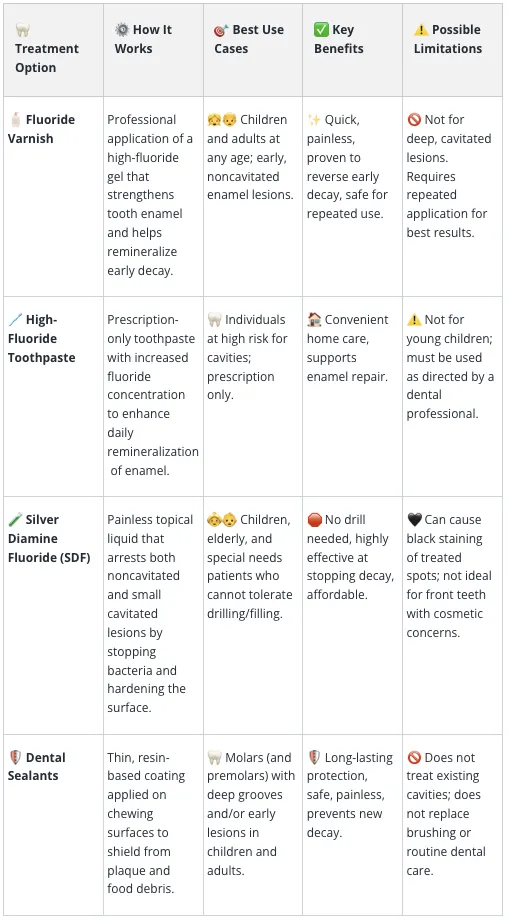
These advanced, minimally invasive options protect healthy tissue, reduce discomfort, and are supported by the latest evidence in preventive dentistry. Common treatments include fluoride varnish, high-fluoride toothpaste, silver diamine fluoride (SDF), and dental sealants.
Can Cavities Heal Without Fillings?
Yes, many early-stage cavities—before a visible hole forms (noncavitated lesions)—can be arrested or even remineralized when you combine in-office fluoride treatments with good oral hygiene at home and dietary changes. However, deeper or cavitated lesions almost always need restorative care.
Who Is a Candidate for Nonrestorative Cavity Treatment?
Children and adults with early tooth decay and noncavitated lesions (no holes yet)
People dedicated to regular dental examinations and oral hygiene
Patients with low or moderate cavity risk—those already practicing good self-care and not showing rapid decay progression
Nonrestorative Early Tooth Decay Treatment Options in Preventive Dentistry
Fluoride Varnish and High-Fluoride Toothpaste
Fluoride varnish is applied professionally to strengthen weakened enamel, promote remineralization, and make it more resistant to acid attacks from bacteria.
High-fluoride toothpaste (prescription only) can provide added protection for individuals at high risk of tooth decay, reinforcing daily home care routines.
Silver Diamine Fluoride (SDF): Arresting Cavitated and Noncavitated Lesions
SDF is a medicated liquid painted onto decayed areas. It works by killing bacteria that cause caries and hardening the softened, affected tooth surface, effectively stopping decay progression—sometimes within one visit!
SDF is especially beneficial for young children, older adults, or those for whom traditional drills and fillings aren’t ideal.
Dental Sealants: Protection for Early Tooth Decay
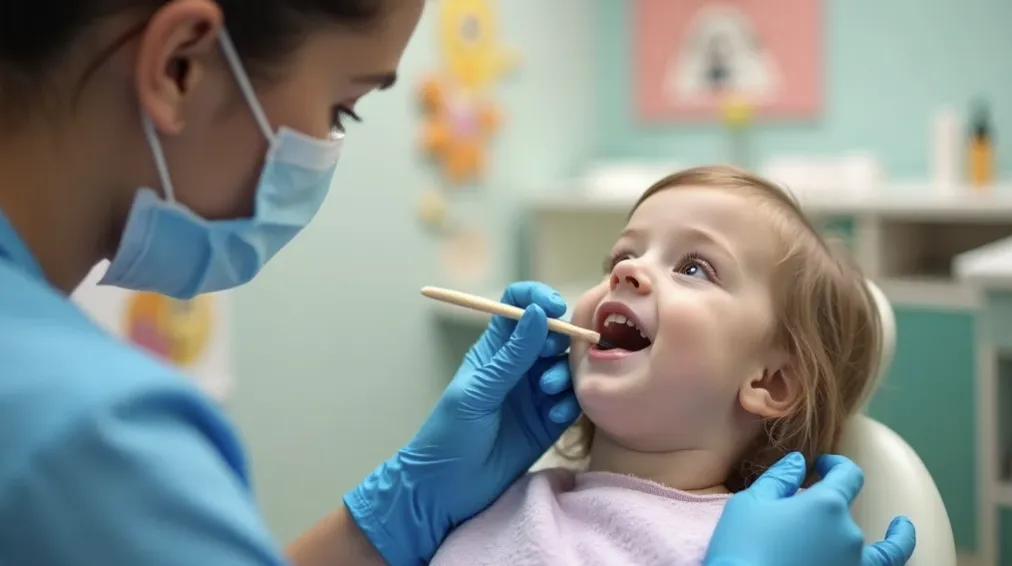
Dental sealants are thin, protective coatings applied to the grooves and pits of back teeth. They block bacteria and food particles from hiding in hard-to-brush areas and developing into cavities.
Sealants are proven to prevent tooth decay in children and adults and are especially useful for molars with deep fissures or early-stage, non-cavitated lesions.
Diet and Oral Hygiene Changes for Tooth Decay Prevention
Limit sugary snacks and drinks, especially between meals, to reduce bacteria-fueled acid attacks on your teeth.
Brush twice daily with a fluoride toothpaste and floss to remove stubborn plaque where toothbrushes can’t reach.
Drink more water and try sugar-free gum to promote healthy saliva flow, which naturally helps remineralize teeth.
Nonrestorative Cavities: Treatment Comparison Table
When Are Dental Fillings Necessary?
Dental fillings become necessary when cavities progress past the early stage and destroy both the enamel and underlying dentin—the deeper, more sensitive layer of your tooth.
You may need a filling if you experience pain when eating sweet, hot, or cold foods, notice sensitivity, or see visible holes or dark spots. These are indicators the lesion is now “cavitated”—beyond the point where enamel can heal itself.
Regular dental examinations are the best way to ensure fillings are recommended only when truly needed based on your tooth’s condition and risk factors.
Are Fillings Always Needed for Cavities?
No. Not all cavities require fillings. Early, noncavitated tooth decay can often be treated nonrestoratively—as long as the enamel surface isn’t broken through and there are no symptoms like pain or sensitivity. Fillings are reserved for when decay creates an actual hole or threatens the inner structures of the tooth.

Tooth Decay Prevention Checklist: Steps for Patients and Families
Visit your dentist twice a year for a thorough dental examination and cavity detection.
Brush your teeth morning and night with fluoride toothpaste; floss once daily to remove plaque from between teeth.
Ask your dentist about professional fluoride varnish if you (or your children) are at higher risk for early tooth decay.
Discuss dental sealants for back teeth, especially for children and those with deep grooves or a history of caries.
Drink more water, limit sugary or acidic beverages and snacks, and eat a balanced, tooth-friendly diet.
Talk with your dentist about your personal risk for early tooth decay and what preventive dentistry options are best for you.

Benefits and Limitations of Nonrestorative Early Tooth Decay Care
Advantages: Nonrestorative cavity treatment preserves healthy tooth structure, avoids dental drills and needles, and lowers costs for patients. These methods are backed by strong scientific evidence for the appropriate stage and situation.
Limitations: These techniques do not work for advanced or cavitated lesions requiring more extensive care. Ongoing home hygiene and maintenance are vital for success, and treatments like SDF can cause tooth discoloration—especially on visible teeth.
"Choosing nonrestorative cavity treatment isn’t just easier for patients—it’s often better for your long-term dental health when used at the right stage." – Preventive Dentistry Specialist
Frequently Asked Questions About Early Tooth Decay, Nonrestorative Treatments, and Prevention
What is nonrestorative cavity treatment?
Nonrestorative cavity treatment is a dental approach that manages early tooth decay without traditional drilling or filling. Methods like fluoride varnish, silver diamine fluoride, and dental sealants aim to stop or reverse decay progression while preserving your natural tooth.
Can early cavities heal?
Yes. Early cavities limited to enamel (seen as white spots with no hole) can often heal or remineralize with professional fluoride treatment, improved oral hygiene, and dietary changes. Once decay reaches dentin, fillings are generally needed.
What is silver diamine fluoride (SDF)?
SDF is a special, paint-on liquid used by dentists to stop active decay. It kills decay-causing bacteria and hardens softened enamel or dentin, effectively halting progression, especially in very early or hard-to-treat cavities.
How does fluoride protect teeth?
Fluoride strengthens tooth enamel by helping it absorb extra minerals (remineralization) and makes it less prone to dissolve in acid. This lowers your risk for cavities and can repair tiny spots of early tooth decay.
What are dental sealants?
Dental sealants are thin coatings placed on chewing surfaces of molars and premolars. They act as a barrier to protect teeth from bacteria, plaque, and food, reducing the risk of cavities.
Do all cavities require fillings?
Not all cavities need fillings. If decay is caught early, before a cavity forms, dentists can often use nonrestorative treatments to stop the process and keep your tooth healthy.
How are cavities diagnosed?
Dentists diagnose cavities with a combination of visual examination, dental explorers to gently probe tooth surfaces, and bitewing X-rays to spot hidden or early lesions.
Who is a candidate for nonrestorative treatment?
Good candidates include those with early, noncavitated lesions; children; patients with special needs; and anyone seeking minimally invasive dental care. Your suitability is determined by examination and risk factors.
How can cavities be prevented?
Key prevention strategies: consistent oral hygiene (brushing, flossing, fluoride use), healthy diet low in sugar and acids, regular dental checkups, and asking about dental sealants and professional fluoride treatments.
How often should I have dental checkups?
Most people need checkups twice per year. Those at higher risk for tooth decay may need more frequent visits. Your dentist can recommend an interval based on your needs and cavity risk.
S. Raj, M.D. / Bestdentists.com
Director, Search Intelligence University/IABLEd
International Association for Business Leaders’ Education
Sources
https://www.nhsinform.scot/illnesses-and-conditions/mouth/tooth-decay/ - Tooth decay
The IABLEd Growth Intelligence University
The Definitive Curriculum for Business Leaders in Dentistry and Oral Health
Praevenire. Curare. Sorridere.
Prevent. Treat. Smile.
Want Your World to Discover You,
the Easy Way?
Experience exceptional dental care while discovering the confidence of a healthier smile.
We provide the expertise, technology, and personalized treatment to help you achieve lasting oral health and beautiful, confident smiles. Ask us how.
Copyright 2026. Best Dentist Near Me. All Rights Reserved.


* * * * *
COMPANY
30721 Russell Ranch Rd Suite 140, Westlake Village, CA 91362
CUSTOMER CARE
Get In Touch
Mon – Thurs
10:00am – 4:00pm
Fridays by Appointment
Saturday, Golf
Sunday –hurch
LEGAL
Stay informed about how new technology can make or break a brand.
FOLLOW US


Prevent. Restore. Smile.
© 2026 IABLEd Dental Intelligence Academy | All Rights Reserved.
1: Oral Health Foundations 2: Preventive Dentistry & Patient Care 3: Restorative Dentistry & Treatment Planning 4: Advanced Clinical Techniques & Digital Dentistry 5: Cosmetic & Comprehensive Dental Care 6: Bonus Dental Masterclass Series