
Types, Procedure, Benefits, Longevity, and What to Expect
Author; S.Raj, M.D, Updated: 7/21/2026 Reading Time: 5 Minutes
Dental Fillings Explained
Imagine noticing a sharp twinge in your tooth while sipping a cold drink, or spotting a small brown spot in the mirror and wondering, “Is this a cavity?” If this scenario sounds familiar, you’re not alone. Dental fillings are one of the most common—and important—treatments dentists use to restore teeth and ease dental worries, yet understanding your options can feel overwhelming. With so much information (and misinformation) online, patients often have questions about the dental filling process, which material is best, how long fillings last, and what to expect before, during, and after your appointment.
What You'll Learn About Dental Fillings
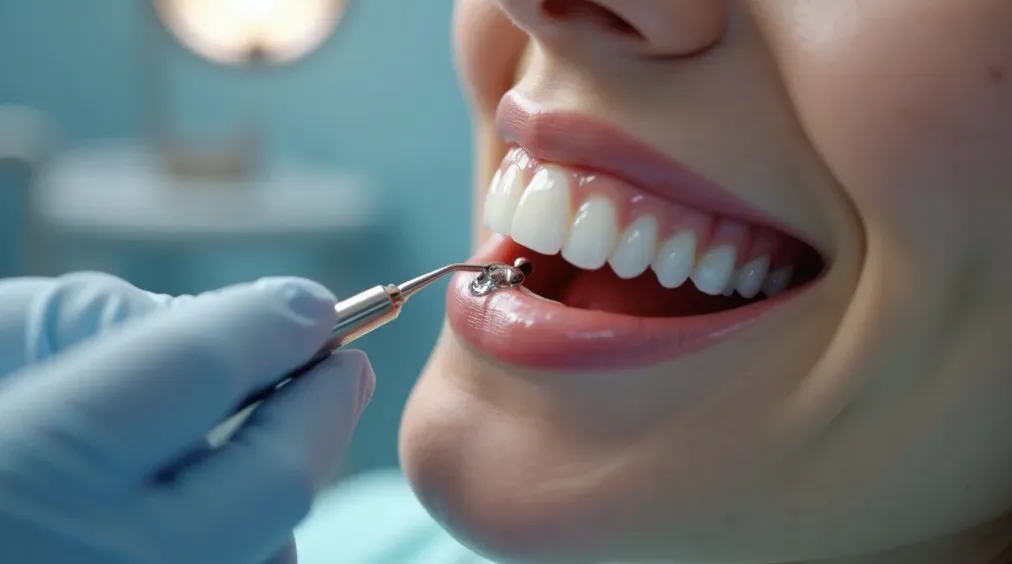
What dental fillings are and why they are necessary
An overview of the dental filling procedure step by step
Types of dental fillings: materials, benefits, and limitations
How long dental fillings last and factors affecting their longevity
Cost considerations for dental fillings
Answers to frequently asked questions about tooth fillings
How to care for your dental fillings and maintain oral health
Introduction to Dental Fillings and Tooth Filling Procedures
Dental fillings are a cornerstone of modern dental care, used to repair teeth that have been damaged by decay or minor injury. A tooth filling restores a tooth’s function, prevents further decay, and helps maintain your overall oral health. If you’ve been told you need a tooth filling, it’s natural to have concerns about the process, available materials, and what to expect during recovery. Learning about dental fillings empowers you to make informed decisions about your treatment and preserve your smile.
In this article—written from the perspective of a restorative dentist—I’ll guide you through what dental fillings are, why they’re needed, common signs you might require one, and exactly how the procedure works. We’ll demystify your options, discuss factors influencing the cost and longevity of each filling material, and provide evidence-based tips for maintaining your oral health after treatment. This is your comprehensive, patient-first handbook for understanding and caring for dental fillings.
Why Do People Need Dental Fillings?
“Dental fillings play a crucial role in restoring teeth after decay or damage, helping prevent further oral health problems.” – Dr. Smith, Restorative Dentist
Most often, dental fillings are placed to repair cavities caused by tooth decay. Decay begins when bacteria in dental plaque produce acids that erode the tooth’s surface, forming small holes or cavities. When left untreated, these cavities can grow, leading to tooth pain, infection, or even tooth loss. In addition to decay, tooth fillings are also used to restore teeth chipped or worn from everyday use.
Restoring a decayed or damaged tooth with a filling is essential to halt progression of disease, maintain dental function, and prevent more complex problems such as abscesses or the need for root canal treatment. By sealing off and rebuilding the tooth structure, a dental filling helps you chew comfortably and keeps your bite healthy.
Common Signs You May Need a Tooth Filling
How do you know if you may need a dental filling? Common symptoms include sensitivity to hot, cold, sweet, or acidic foods, pain when biting down, visible holes or dark spots on your teeth, and food regularly getting stuck in a particular spot. Sometimes, you may notice chipped or rough edges that feel different to your tongue.
Early tooth decay doesn’t always hurt, so regular dental checkups are critical. If your dentist identifies decay or damage, a timely tooth filling can restore strength and prevent further complications. If you’re experiencing any of these signs, schedule an appointment for a dental evaluation.

What Are Dental Fillings?
Definition and Purpose of a Dental Filling
A dental filling is a restorative treatment that uses special materials to repair parts of a tooth damaged by decay, fracture, or wear. When a cavity or chip occurs, the decayed portion is removed and replaced with a filling material to prevent further decay and restore the normal shape and function of the tooth.
The main purpose of a tooth filling is to fill the space left after decay is removed—restoring your ability to bite and chew, protecting the sensitive inner parts of your tooth, and preventing bacteria from re-entering and causing new problems. Dental fillings are designed to match the function, and sometimes the appearance, of your natural teeth.
How Dental Fillings Support Oral Health
Dental fillings directly support oral health by sealing out bacteria, preserving healthy tooth structure, and maintaining your normal bite alignment. Without effective treatment, cavities can progress to deeper layers of the tooth, leading to painful infections, abscesses, and even tooth loss.
Fillings also help prevent neighboring teeth from becoming compromised. By restoring the anatomy of a tooth, a dental filling ensures your overall oral health and chewing ability are protected. When paired with good dental care—including regular brushing, flossing, and checkups—they contribute to a lifetime of healthy smiles.
Understanding Tooth Decay and Cavity Development
Tooth decay is a gradual process driven by bacteria in the mouth. Consuming sugary foods and drinks allows plaque bacteria to produce acids that weaken and demineralize the tooth surface. Over time, these acids create holes—known as cavities—in the enamel and dentin layers of the tooth.
Cavities often grow silently at first. If left untreated, the decay advances deeper, eventually reaching the tooth’s nerve and blood supply. This is why early diagnosis and intervention with a tooth filling is so important: it halts the progression of the disease, restores lost structure, and prevents the need for more invasive procedures like crowns or root canals.
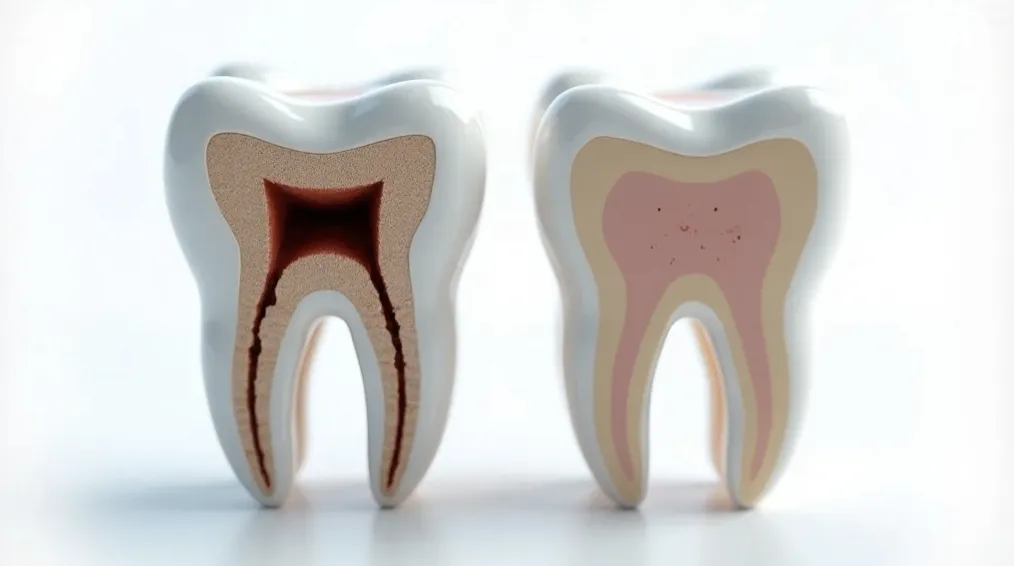
Dental Filling Procedure: Step-by-Step Guide
Diagnosis: How Dentists Detect Tooth Decay Needing Fillings
Dentists use a combination of visual examination, tactile probing with a dental explorer, and sometimes X-rays to identify tooth decay that requires a dental filling. Early cavities may only show up as discolorations, while deeper lesions appear as visible holes. Diagnostic tools help determine the size, depth, and location of the cavity, informing the best choice of filling material and treatment approach.
At your exam, your dentist may use a gentle air stream to dry the tooth and spot “sticky” areas that indicate softened enamel. In some cases, fiber-optic lights or laser fluorescence devices can help spot otherwise invisible decay. Catching tooth decay early means a less invasive filling and better long-term outcome.
Step-by-Step Process of Getting a Tooth Filling
Numbing: Local anesthesia is typically used to numb the affected tooth and surrounding gum, ensuring the procedure is pain-free.
Cavity Preparation: The dentist uses a drill or laser to remove all decayed tissue, shaping the area for a secure fitting of the dental filling.
Cleaning: The prepared tooth surface is cleaned and dried to eliminate bacteria or debris.
Filling Placement: The chosen filling material (such as composite resin, amalgam, or glass ionomer) is carefully layered or packed into the cavity.
Shaping and Polishing: Once in place, the filling is shaped to match your bite and polished for comfort and aesthetics.
The entire process usually takes less than an hour per tooth, and most patients resume normal activities soon after.

Is Getting a Dental Filling Painful? What to Expect During Treatment
For the vast majority of patients, getting a dental filling is a painless experience. Local anesthesia numbs the area, so you shouldn’t feel discomfort during the cavity removal and filling process—just mild pressure or vibration. Modern techniques and improved anesthetics make the treatment quick and straightforward for both adults and children.
After the numbing wears off, some people may notice brief sensitivity to pressure, temperature, or sweetness that fades within days. Severe or persistent pain is uncommon and should be brought to your dentist’s attention. Keeping up with dental care post-operatively will help ensure your new filling settles smoothly.
Types of Dental Fillings: Material Options and Direct vs. Indirect Fillings
Direct Fillings vs. Indirect Fillings: Key Differences
Direct fillings are placed in a single visit, with the filling material molded directly into the prepared cavity and hardened on-site. Common types of direct fillings include composite resin, dental amalgam, and glass ionomer. These are suitable for small to moderate cavities and are the most frequently performed tooth fillings.
Indirect fillings are custom-made outside the mouth—typically in a dental laboratory—and then bonded to your tooth during a second visit. Indirect fillings include inlays, onlays, and some crowns, and are used when the damage is too extensive for a simple direct filling but not enough for a full crown. Your choice will depend on the size of the restoration, tooth location, bite forces, and your dentist’s recommendation.
Composite Dental Fillings: Appearance, Benefits, and Suitability
Composite dental fillings (made from a mixture of fine glass and plastic) are often selected for their natural, tooth-colored appearance. They can be closely matched to the shade of your existing teeth, making them ideal for visible areas like front teeth. Composite fillings include benefits such as strong bonding to the tooth structure, versatility for small or moderate cavities, and a finished result that blends seamlessly with your smile.
However, composite resin may not be as durable under heavy chewing stress (such as in back molars) and can stain more easily than metal fillings. Your dentist will discuss whether a composite direct filling is the right choice for your particular tooth.
Amalgam Fillings: Durability and Considerations
Amalgam fillings—sometimes called “silver fillings”—are made from a blend of metals including silver, tin, copper, and a small amount of mercury. Dental amalgam is renowned for its strength and long-term durability, often lasting well over a decade even in high-stress areas like molars. Because of their metallic color, amalgam fillings are typically used for back teeth where they’re less visible.
There has been debate about the health impact of mercury in amalgam fillings, but clinical studies confirm that properly placed amalgam is safe for most patients. Your dentist may advise a different type of filling for people with specific allergies, concerns, or in situations where aesthetics are important.
Glass Ionomer Fillings: When Are These Used?
Glass ionomer fillings are composed of acrylic and special glass powders that release fluoride, helping to prevent future tooth decay. These filling materials bond well to tooth structure and are often used for small cavities, restorations near the gumline, or in children’s primary teeth.
Although glass ionomer fillings are tooth-colored, they are typically less durable than composite or amalgam, especially in areas subjected to heavy chewing. Still, their fluoride-releasing property makes them an attractive option for patients at higher risk of decay.
Other Types of Filling Materials and Their Benefits
Additional types of filling materials include gold alloys and ceramic (porcelain). Gold fillings—typically indirect fillings—offer excellent durability, lasting 15 years or more, and are highly resistant to fracture and wear. Ceramic (porcelain) fillings also offer a natural look, are stain resistant, and can last for well over a decade in some cases.
While both gold and ceramic fillings can be excellent choices for certain situations, they tend to be costlier and require more than one visit due to their laboratory fabrication. The best type of filling depends on location, functional needs, aesthetic preferences, and your dentist’s diagnosis.
Comparison Table of Dental Filling Materials
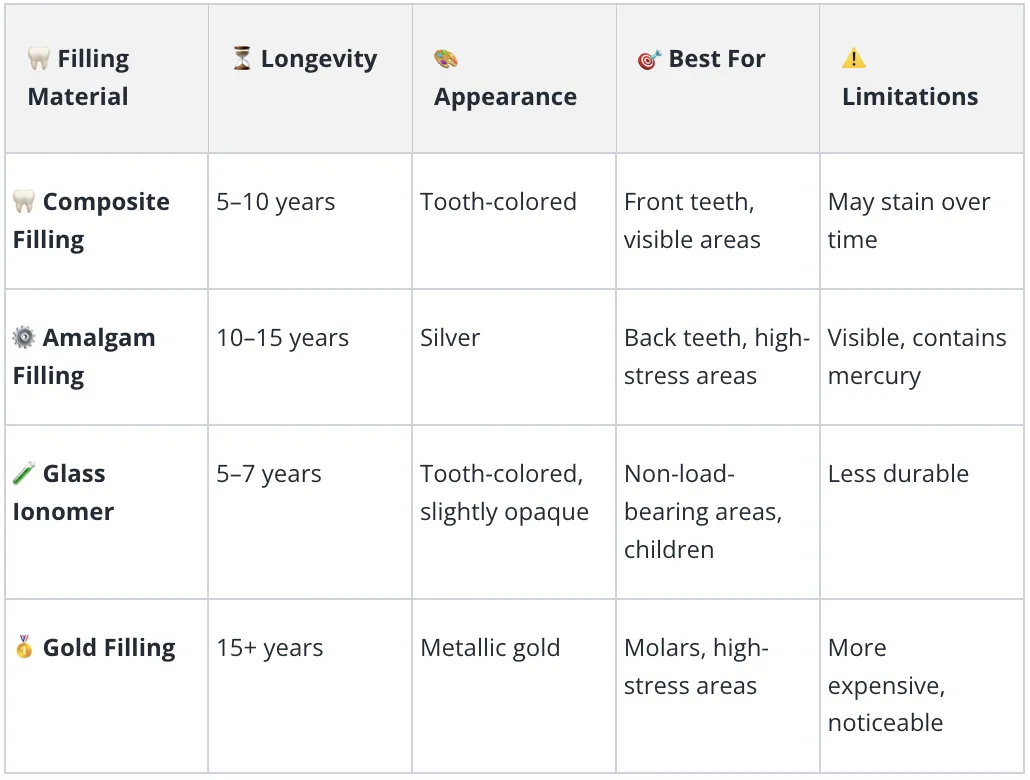
How Long Do Dental Fillings Last and What Affects Their Lifespan?
Average Lifespan by Filling Type
On average, dental fillings last anywhere from 5 to over 15 years, depending on the type of filling material used, cavity size, tooth location, and your dental care habits. Composite tooth fillings typically serve well for 5–10 years, while amalgam can endure 10–15 years. Gold fillings often exceed 15 years with proper oral health maintenance, and glass ionomer fillings are usually replaced within 5–7 years.
Remember, these are averages—some fillings may last longer or fail sooner depending on bite forces, oral hygiene, and routine dental checkups.
Factors That Influence How Long Tooth Fillings Last
Several factors affect how long your tooth fillings endure:
The type and quality of filling material
The size and location of the cavity or restoration
Bite forces and habits like clenching, grinding, or chewing ice
Your overall oral hygiene routine
Frequency of professional dental care and checkups
Regular brushing, flossing, and exams help to prevent tooth decay around the filling margins and detect problems early, preserving the life of your restorations.
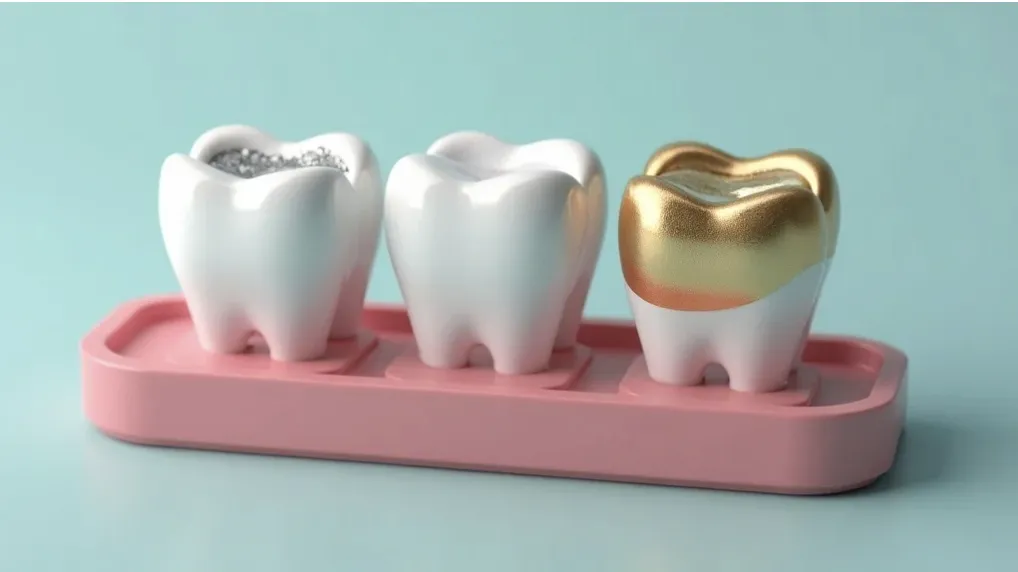
When to Replace Old Dental Fillings
Fillings may need replacement if they crack, chip, become loose, or if new decay forms around their edges. Biting pain, food trapping, rough spots, or discoloration can also indicate a failing filling.
Regular checkups help your dentist monitor all dental fillings, catch subtle problems early, and recommend the best time for replacement. Ignoring a failing filling risks further tooth decay, infection, and the need for more extensive treatment.
Cost of Dental Fillings: What to Expect
Factors Affecting Dental Filling Costs
The cost of a dental filling can vary depending on the filling material, cavity size and location, whether it is a direct or indirect filling, and the complexity of treatment. Additional factors include dentist experience, clinical setting, and your geographic location.
In general, composite and amalgam fillings are the most accessible, while gold, ceramic, and custom indirect fillings tend to be more costly. Discuss your options and budget with your dentist—they can explain trade-offs and help you select a solution that fits your health and financial needs.
Insurance and Payment Considerations for Dental Fillings
Most dental insurance plans cover basic fillings for necessary cavity repairs, though coverage and copay amounts may vary according to the filling material selected. Some plans pay a set amount toward the least expensive option and may not cover cosmetic upgrades. Dental offices frequently offer financing or payment plans if you are uninsured. Your dentist’s staff can help verify your benefits and explain covered services before your procedure.

Benefits and Limitations of Dental Fillings
Benefits: Tooth Restoration and Oral Health Improvement
Dental fillings restore teeth to normal shape and function, relieve discomfort, improve chewing, halt oral disease progression, and help preserve your natural smile. By sealing out bacteria and protecting weakened areas, fillings restore the function and comfort of your mouth—making them a fundamental preventive and therapeutic tool in dental care.
Limitations and Risks of Dental Fillings
While dental fillings are safe and effective, they are not permanent. Potential risks and limitations include:
May eventually need replacement
Possibility of tooth sensitivity
Risk of filling fracture or loss
No filling material is perfect for all situations
The best choice of filling materials depends on the site in your mouth, personal health risks, cosmetic goals, and your dentist’s expertise. All treatments are guided by your needs, evidence, and best practices.
Caring for Dental Fillings: Dental Care After Treatment
Essential Oral Health Tips to Keep Fillings Healthy
Caring for your dental fillings starts with strong oral health habits. Brush twice a day with fluoride toothpaste, floss daily, eat a balanced diet low in sugar, and schedule professional cleanings every six months. These practices stop new tooth decay and extend the lifespan of all tooth fillings.

Avoiding Tooth Decay Around Fillings
New tooth decay can develop around the edge of any filling if plaque is not removed regularly. Pay special attention to the gumline and margins of your fillings with your brush and floss. Avoid snacking frequently on sugary foods, and consider fluoride rinses or products as recommended by your dentist, especially if you have a history of cavities.
For long-lasting dental fillings, the key is prevention and prompt attention to any changes in your teeth.
When to See a Dentist After a Dental Filling
See your dentist promptly if you notice any new or worsening pain, sharp edges, food trapping, or changes in how your teeth fit together after a filling. Routine checkups are crucial for monitoring dental fillings and catching potential issues before they become significant problems.
Proper care and regular evaluation will help your fillings—and your complete smile—stay healthy for years to come.
Frequently Asked Questions About Dental Fillings and Tooth Fillings
How much does a filling usually cost?
The cost of a dental filling depends on factors like the type of filling material, the size and location of the cavity, whether it’s a direct or indirect filling, and your dental office’s location. Composite and amalgam fillings are generally less expensive, while gold and porcelain fillings (usually indirect) can cost more. Dental insurance often offsets these costs for medically necessary fillings. For detailed information about your situation, ask your dentist or their insurance billing specialist.
How long do most dental fillings last?
Most dental fillings last between 5 and 15 years, depending primarily on the material: composite resin (5–10 years), amalgam (10–15 years), glass ionomer (5–7 years), and gold or ceramic (over 15 years). Individual results vary based on oral hygiene, bite forces, and regular dental checkups.
Are dental fillings painful?
Modern dental fillings are performed under local anesthesia, so patients should feel minimal or no pain during the procedure. It is common to feel slight pressure or vibration, but discomfort is rare. Mild sensitivity after treatment is typical and usually resolves within a few days.
What type of fillings do most dentists use?
Most dentists use composite resin or amalgam as first-line materials, depending on the location and function of the tooth. Composite is favored for visible front teeth due to its tooth-like appearance, while amalgam may be chosen for back teeth because of superior durability. Your dentist will thoroughly discuss the types of filling materials available for your case and make a personalized recommendation.
Dental Fillings and Maintaining Oral Health
Dental fillings restore damaged teeth and help maintain oral health.
Multiple types of dental fillings are available—ask your dentist which is best for your needs.
Proper oral hygiene is vital to prolong the lifespan of your fillings.
Schedule regular dental checkups for preventive care and to monitor existing fillings.
Ready to address your dental concerns or want expert advice on the best cavity treatment for your smile? Contact us today, and our team will match you with an experienced dentist dedicated to your oral health and comfort.
If you're interested in learning more about finding a qualified dental professional in your area, you can explore resources like the dentist directory to help you make informed choices about your oral health care provider.
S. Raj, M.D. / Bestdentists.com
Director, Search Intelligence University/IABLEd
International Association for Business Leaders’ Education
Sources
https://www.nidcr.nih.gov/health-info/dental-fillings - Dental Fillings Information | NIDCR
https://www.deltadental.com/protect-my-smile/procedures/tooth-filling/ - What is a Tooth Filling?
https://www.mouthhealthy.org/all-topics-a-z/dental-filling-options - Dental Filling Options

The IABLEd Dental Intelligence University
The Definitive Curriculum for Modern Dentistry and Oral Health
Praevenire. Curare. Sorridere.
Prevent. Treat. Smile.
Want Your World to Discover You,
the Easy Way?
Experience exceptional dental care while discovering the confidence of a healthier smile.
We provide the expertise, technology, and personalized treatment to help you achieve lasting oral health and beautiful, confident smiles. Ask us how.
Copyright 2026. Best Dentist Near Me. All Rights Reserved.


* * * * *
COMPANY
30721 Russell Ranch Rd Suite 140, Westlake Village, CA 91362
CUSTOMER CARE
Get In Touch
Mon – Thurs
10:00am – 4:00pm
Fridays by Appointment
Saturday, Golf
Sunday –hurch
LEGAL
Stay informed about how new technology can make or break a brand.
FOLLOW US


Prevent. Restore. Smile.
© 2026 IABLEd Dental Intelligence Academy | All Rights Reserved.
1: Oral Health Foundations 2: Preventive Dentistry & Patient Care 3: Restorative Dentistry & Treatment Planning 4: Advanced Clinical Techniques & Digital Dentistry 5: Cosmetic & Comprehensive Dental Care 6: Bonus Dental Masterclass Series