
Common Dental Emergencies, Pain Relief, Treatment, and When to Seek Help
Author; S.Raj, M.D, Updated: 7/21/2026 Reading Time: 5 Minutes
Emergency Dental Care Explained
Emergency dental care offers immediate treatment for urgent dental problems that cause severe pain, bleeding, infection, or risk permanent tooth loss. Seeking urgent evaluation by an emergency dentist helps prevent complications. Common emergencies include severe tooth pain, dental trauma, abscesses, broken, or knocked-out teeth.
Imagine waking up with excruciating tooth pain or your child chipping a tooth during a soccer game. Moments like these can be overwhelming—but knowing when and how to seek emergency dental care can make a crucial difference. This guide puts you in control, explaining symptoms, causes, and what to do step-by-step when a dental emergency strikes.
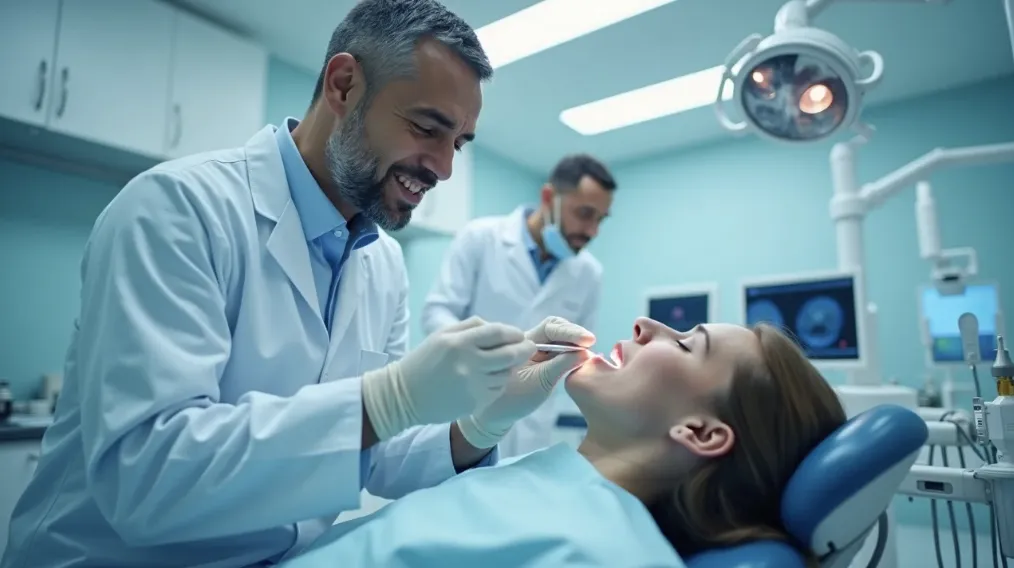
What Is Emergency Dental Care and When Should You Seek Help?
Emergency dental care provides immediate treatment for dental emergencies affecting pain, function, or health.
Urgent evaluation prevents complications like infection or tooth loss.
Examples include severe tooth pain, trauma, abscesses, broken or knocked-out teeth.

What You'll Learn About Emergency Dental Care
When to seek emergency dental care
Common symptoms and causes of dental emergencies
Immediate steps and treatment options
Pain management before dental care
How to prevent dental emergencies
Recognizing a Dental Emergency: What Qualifies as Urgent?
Knowing when to seek emergency dental care can help save a tooth and avoid lasting consequences. Signs like severe tooth pain, swelling, or bleeding should never be ignored. Urgent dental care addresses not just pain, but the underlying problem, stopping further damage or infection. Timely action is critical to protect your health and restore comfort.
If you’re unsure whether your symptoms require immediate attention, it’s helpful to understand the full range of dental emergencies and how they differ from routine dental issues. For a detailed overview of dental care providers and urgent services available in your area, you can explore the dental directory to find local professionals equipped to handle emergencies.
Common Symptoms That Require Emergency Dental Care
Severe, unrelenting tooth pain
Swelling of face or jaw
Bleeding that doesn’t stop
Loose, broken, or knocked-out teeth
Signs of dental infection (pus, fever, bad taste)
"Any dental emergency that causes extreme pain, significant bleeding, or threatens long-term tooth health needs urgent care." – Dr. Smith, Emergency Dentist
People Also Ask: What Qualifies as a Dental Emergency?
A dental emergency involves severe pain, infection, broken or knocked-out teeth, and uncontrollable bleeding. Immediate care is essential to relieve pain and prevent further damage or complications. If you experience these signs, contact an emergency dentist or dental office right away for urgent care.
How Do I Know If Tooth Pain is Serious?
Serious tooth pain is intense, lasts more than a day, or occurs with swelling, fever, or difficulty opening the mouth. These symptoms may indicate infection or serious dental issues that require emergency dental care. When pain interferes with daily life or worsens, seek professional evaluation as soon as possible.
Dental Emergencies Checklist: Should I Call a Dentist Now?
Knocked-out tooth
Broken or loose tooth
Intense tooth pain
Abscess or swelling
Persistent bleeding
Emergency vs. Non-Emergency: What’s the Difference?
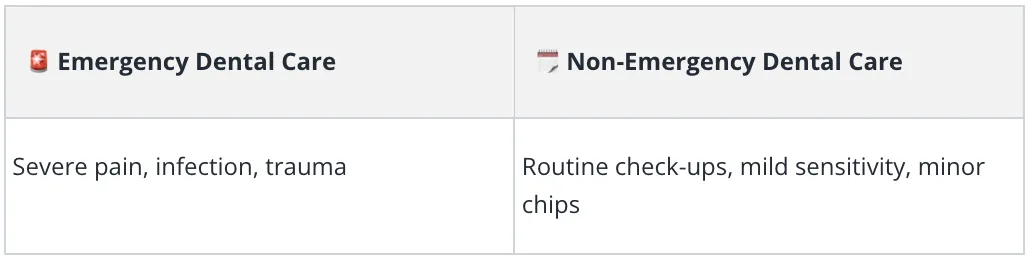
Should I Go to the Emergency Room for Tooth Pain?
Visit the emergency room if your dental pain comes with facial swelling, difficulty breathing, or uncontrollable bleeding. For most dental emergencies, you’ll receive quicker and better-focused care from an emergency dentist or dental office.
Causes of Dental Emergencies
Advanced tooth decay or infection
Recent trauma (accidents, falls, sports injuries)
Broken or lost fillings/crowns
Gum abscesses
Complications from dental procedures
"Dental emergencies can happen suddenly, but many result from untreated dental problems that worsen over time." – Emergency Dental Care Specialist
Types of Dental Emergencies
Broken, Chipped, or Cracked Teeth
Broken or cracked teeth may result from biting hard substances, sports injuries, or accidents. This type of dental emergency can expose the nerve or pulp, causing severe tooth pain and risk of infection. Quick treatment by a dentist can save the tooth with dental bonding, a crown, or sometimes a root canal. Preventing further injury and infection is essential; cover sharp fragments with dental wax and avoid chewing on the affected side until dental care is received.
Do not wait—a broken tooth is vulnerable. Even small cracks can become severe if ignored. Emergency dental care ensures pain is managed and the tooth’s structure is restored promptly.
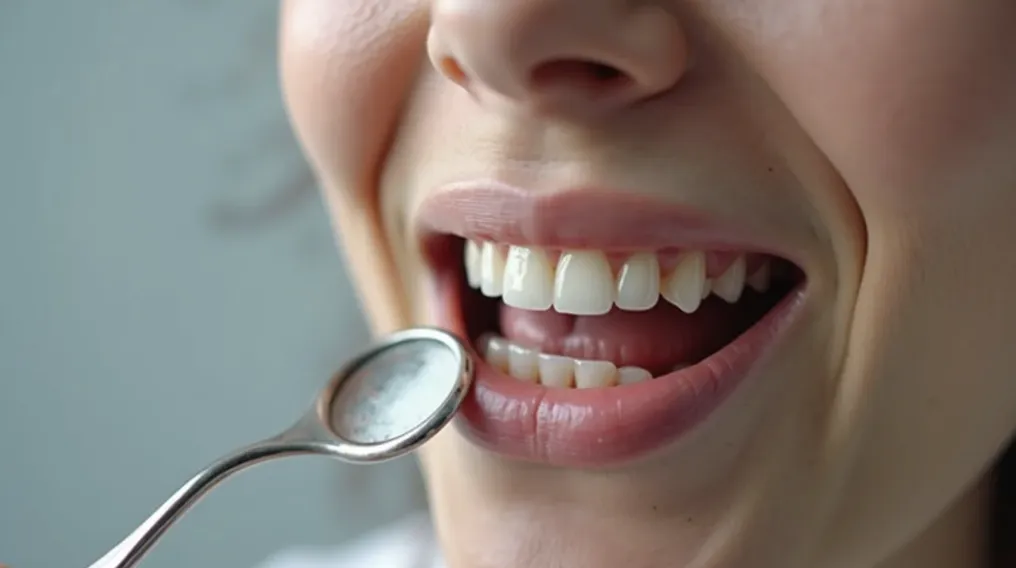
Knocked-Out (Avulsed) Teeth
A knocked-out tooth can often be saved, but time is critical. Hold the tooth by the crown (not the root), rinse gently if dirty, and place it in milk or saline to keep it moist. See an emergency dentist within 30–60 minutes. Quick action increases the chances to re-implant and save the tooth.
If you cannot reach a dentist immediately, avoid letting the tooth dry out. Never scrub the root, and do not wrap the tooth in tissue. Transport it carefully and get emergency dental care right away.
Dental Abscess and Infection
A dental abscess is a pocket of pus caused by bacterial infection, most often from untreated decay or gum disease. Abscesses cause swelling, pain, and sometimes fever. They can spread rapidly, affecting the jaw, neck, or bloodstream—posing serious health risks if left untreated.
Emergency dental care for an abscess may include draining the infection and antibiotic therapy, but the underlying cause must be addressed through dental procedures like root canal or tooth extraction, as needed.
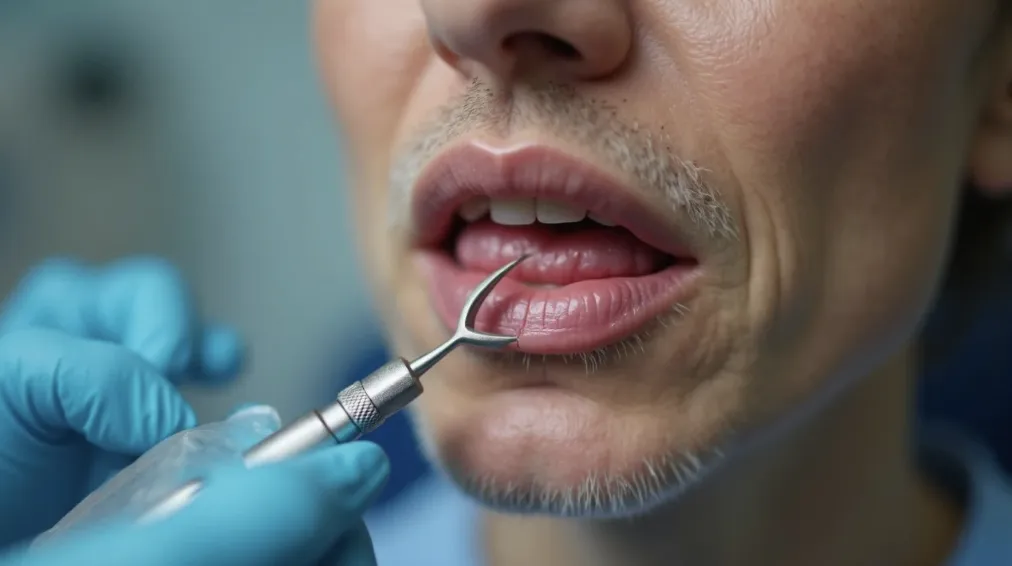
Severe Tooth Pain
Severe tooth pain often signals an urgent dental problem like infection, abscess, deep decay, or cracked tooth. The pain may be constant or triggered by chewing, temperature changes, or pressure. Prompt emergency dental care is vital—the dentist can diagnose and treat the root cause before complications arise.
Not all toothaches are emergencies, but if pain interrupts sleep or isn’t relieved by over-the-counter pain relievers, you should see a dentist immediately for diagnosis and treatment.
Lost Fillings or Crowns
Losing a filling or crown leaves the tooth vulnerable to sensitivity, pain, and new decay. Place dental cement or sugarless gum over the area as a temporary solution until you access emergency dental services. Avoid chewing on the affected tooth and schedule an appointment quickly to restore strength and function.
Emergency dental care for lost restorations prevents infection and further damage. Dentists can replace or repair the restoration and assess for any underlying issues.
Bleeding and Oral Trauma
Uncontrolled bleeding after dental trauma, injury, or oral surgery must be addressed immediately. Apply gentle pressure with clean gauze and seek emergency dental care if bleeding is heavy or persistent.
Trauma to the gums, lips, or tongue can also require stitches, infection control, or cosmetic repair. Early intervention by a dental office helps ensure optimal healing and prevents more serious complications.
People Also Ask
Can a Broken Tooth Be Repaired?
Most broken teeth can be treated with dental bonding, crowns, or other emergency dental services. The outcome depends on the extent of damage and how quickly you seek emergency dental care. Immediate treatment improves the chance to save the tooth.
What Should I Do If My Tooth Is Knocked Out?
Keep the tooth moist by placing it in milk or saline. Avoid touching the root. See an emergency dentist within 30–60 minutes for the best chance of saving the tooth. Don’t let it dry out or wrap it in tissue.
Can a Tooth Infection Become Dangerous?
Yes. Dental infections can quickly spread to the jaw, neck, or bloodstream. Emergency dental care is critical to prevent serious risks—including sepsis. See a dentist immediately if you have swelling, fever, or trouble swallowing.
Are Antibiotics Needed for Tooth Pain?
Antibiotics may be prescribed if a dental infection is present. However, pain relief and saving the tooth often require treatments like drainage, fillings, or root canals—only available with emergency dental care from a dentist.
How Quickly Should I See a Dentist?
You should see a dentist as soon as possible for severe tooth pain, infection, dental trauma, or swelling. Timely emergency dental care helps to relieve pain, prevent infection, and reduce the risk of complications.
What Helps Tooth Pain Before Treatment?
Use a cold compress on the cheek, rinse your mouth with warm salt water, and take over-the-counter pain relievers as directed. These steps can temporarily relieve pain until you reach an emergency dentist.

Can a Dental Emergency Wait?
Delaying emergency dental care can worsen pain or cause permanent damage. If you’re unsure if your dental issue is urgent, contact a dental office for advice. When in doubt, prompt evaluation is always safer.
Emergency Dental Care Treatment Options: What to Expect
Dental X-rays and exams
Pain management and anesthesia
Drainage of abscesses
Repair with bonding, crowns, or fillings
Tooth extraction
Root canal treatment
Referrals as needed
Step-by-Step Timeline: What Happens During an Emergency Dental Visit?
Initial phone assessment and advice—Office staff will ask about your symptoms and may provide first-aid tips.
In-office triage and examination—The emergency dentist will review your medical and dental history, then examine your mouth.
Immediate pain relief—Local anesthesia or medication may be given to relieve pain and help you relax.
Diagnostic imaging and consultation—X-rays are taken to identify the problem and decide the best treatment.
Emergency dental care procedure(s)—Procedures like drainage, fillings, or a root canal are performed as needed.
Discharge instructions and follow-up—You’ll receive care instructions and may be scheduled for additional visits.
Pain Management Strategies for Dental Emergencies
Over-the-counter painkillers (such as acetaminophen or ibuprofen, as directed)
Prescription medication for severe pain
Local anesthesia during dental procedures
Home care: cold compress, warm saltwater rinses
"Relieving pain and preventing infection are top priorities in emergency dental care." – Emergency Dentist
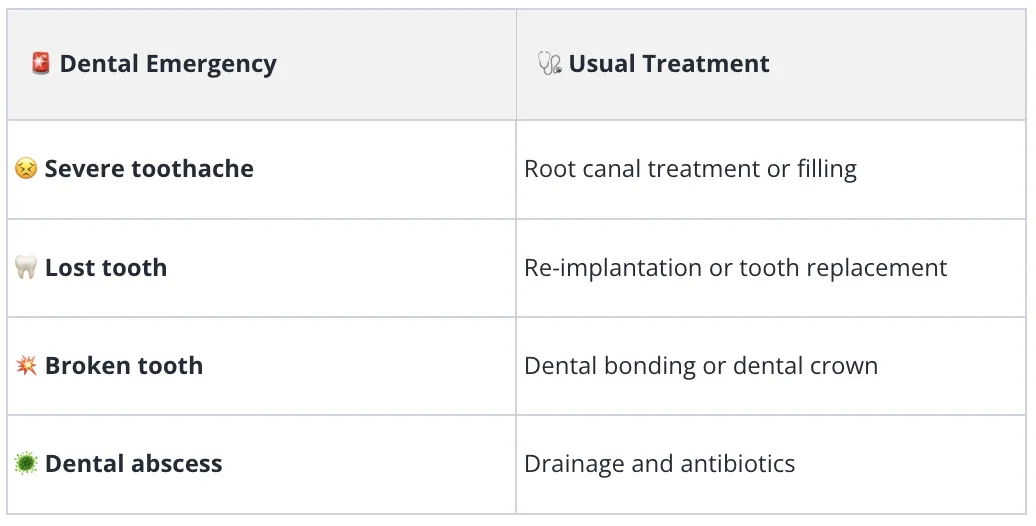
Comparison Table: Common Dental Emergencies and Their Treatments
Dental Trauma First-Aid Checklist
Preserve knocked-out teeth in milk or saline
Apply gentle pressure to bleeding areas
Use a cold compress for swelling
Seek emergency dental care immediately
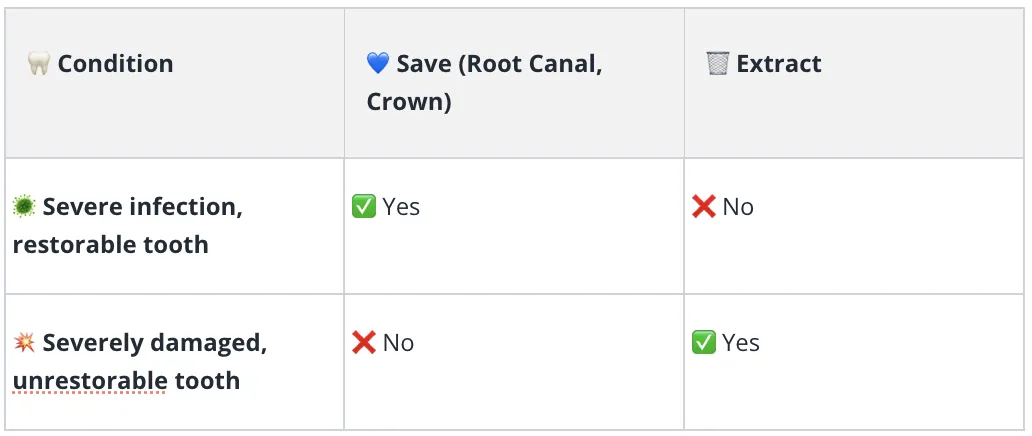
Treatment Options Comparison: Save or Extract the Tooth?
Recovery and Follow-Up After Emergency Dental Care
Pain or swelling may last a few days
Follow dentist’s instructions closely
Take any prescribed medications as directed
Schedule follow-up visits if needed

Preventing Dental Emergencies: Long-Term Dental Care Checklist
Excellent oral hygiene at home (brush and floss daily)
Wear a mouthguard for sports or night grinding
Avoid chewing hard objects or ice
Schedule regular dental check-ups
Address dental problems promptly—don’t delay care
Frequently Asked Questions About Emergency Dental Care
What are the main symptoms of a dental emergency?
Severe pain, swelling, bleeding, trauma, or signs of infection such as pus or fever signal a dental emergency. Contact an emergency dental office right away for prompt evaluation and treatment.
What causes serious toothaches?
Untreated cavities, dental infection, mouth trauma, or gum disease are among the most common reasons for intense tooth pain. These conditions often require emergency dental care to address the root cause and relieve pain.
What is a dental abscess?
An abscess is a pocket of pus from an infection near a tooth root or gum. It causes swelling, pain, and sometimes fever, and always needs prompt emergency dental care for safe treatment.
Can antibiotics alone fix a dental infection?
No, antibiotics control infection, but dental procedures like root canal or drainage are needed to remove the source. See a dentist for lasting pain relief and to prevent complications.
Can a broken tooth be saved?
Many broken teeth can be repaired with dental bonding, crowns, or root canal treatment. Quick emergency dental care is essential for the best result and pain relief.
What should I do if my tooth is knocked out?
Handle the tooth by the crown, keep it moist in milk or saline, and see an emergency dentist within 30–60 minutes. Do not touch the root or scrub the tooth—fast treatment can save it.
Is root canal treatment urgent?
Yes, especially for intense pain or infection. Timely root canal treatment preserves tooth health and prevents the spread of infection to other areas.
When is tooth extraction necessary?
Extraction is needed when a tooth is beyond repair, has severe infection that cannot be treated, or is causing complications. Your dentist will explain the safest option for your situation.
Which painkillers are safe for dental emergencies?
Acetaminophen and ibuprofen are most commonly used and safe if taken as directed, unless you have medical contraindications. Avoid aspirin if there is bleeding, and always follow your dentist’s recommendations.
How can I prevent dental emergencies?
Main prevention strategies include practicing good oral hygiene, using a mouthguard for sports, not chewing hard objects, and scheduling routine dental care to address problems early.
What are signs I need emergency dental care?
Warning signs include ongoing tooth pain, swelling, trauma, bleeding, or fever. When these symptoms occur, call an emergency dental office for care.
If you’re experiencing a dental emergency or want to plan for future dental care, contact us today to find a local, trusted emergency dentist for your family’s needs.
Taking charge of your dental health means being prepared for both urgent situations and long-term care. If you’re interested in exploring a comprehensive list of dental professionals and services beyond emergency care, the dental directory is a valuable resource for finding the right provider for your ongoing oral health needs. Whether you’re seeking preventive check-ups, specialized treatments, or simply want peace of mind knowing where to turn in a crisis, connecting with a trusted dentist is the next step toward a healthier, more confident smile. Start building your dental care plan today and ensure you’re ready for whatever comes your way.
S. Raj, M.D. / Bestdentists.com
Director, Search Intelligence University/IABLEd
International Association for Business Leaders’ Education
Sources
https://www.emergencydentalofamerica.com/ - Emergency Dental of America
https://emergencydental.com/orlando-altamonte-springs/ - Same-day Dental Care in Orlando

The IABLEd Dental Intelligence University
The Definitive Curriculum for Modern Dentistry and Oral Health
Praevenire. Curare. Sorridere.
Prevent. Treat. Smile.
Want Your World to Discover You,
the Easy Way?
Experience exceptional dental care while discovering the confidence of a healthier smile.
We provide the expertise, technology, and personalized treatment to help you achieve lasting oral health and beautiful, confident smiles. Ask us how.
Copyright 2026. Best Dentist Near Me. All Rights Reserved.


* * * * *
COMPANY
30721 Russell Ranch Rd Suite 140, Westlake Village, CA 91362
CUSTOMER CARE
Get In Touch
Mon – Thurs
10:00am – 4:00pm
Fridays by Appointment
Saturday, Golf
Sunday –hurch
LEGAL
Stay informed about how new technology can make or break a brand.
FOLLOW US


Prevent. Restore. Smile.
© 2026 IABLEd Dental Intelligence Academy | All Rights Reserved.
1: Oral Health Foundations 2: Preventive Dentistry & Patient Care 3: Restorative Dentistry & Treatment Planning 4: Advanced Clinical Techniques & Digital Dentistry 5: Cosmetic & Comprehensive Dental Care 6: Bonus Dental Masterclass Series