
Stages, Deep Cleaning, Recovery, and How to Protect Your Teeth
Author; S.Raj, M.D, Updated: 7/22/2026 Reading Time: 5 Minutes
Gum Disease Treatment Explained
Imagine brushing your teeth and spotting a tinge of pink in the sink. It’s a subtle yet crucial signal: your gums are calling for attention. Maintaining healthy gums isn’t just about a confident smile; it’s the foundation for keeping your natural teeth for life. Bleeding gums—however minor—can be an early symptom of gum disease, a silent condition that often goes unnoticed until damage is advanced. By recognizing the first signs and seeking prompt dental evaluation, you unlock the door to more effective, less invasive gum disease treatment options. Modern periodontal care is designed to control infection, soothe inflammation, preserve the bone that supports your teeth, and empower you to maintain healthy gums for years to come.
Why Gum Disease Treatment Matters for Lifelong Oral Health

Gum disease, also known as periodontal disease, impacts much more than just your gums—it’s a leading cause of tooth loss in adults worldwide. Treating gum disease early not only protects your teeth and gums but also supports your systemic health. Scientific research links periodontal disease with increased risks for coronary heart disease, diabetes complications, and even adverse pregnancy outcomes. The gums are not an isolated part of your mouth—they are interconnected with your body’s immune system, bone structure, and overall oral health. Left untreated, inflammation and infection can erode the bone around your teeth, making successful treatment more challenging and outcomes less predictable.
The best outcomes in gum disease treatment hinge on timely diagnosis and a carefully structured care plan. Today’s dental professionals offer a comprehensive, patient-centered pathway including education, professional cleaning, advanced therapies, and long-term maintenance. By understanding the risks and committing to regular periodontal maintenance, you significantly reduce complications and empower yourself to keep your natural smile throughout your life. Remember, treating gum disease is not a one-time fix; it is a lifelong commitment to your well-being.
“Modern periodontal treatment focuses on controlling infection, reducing inflammation, preserving supporting bone, and helping patients maintain healthy teeth and gums.”
What You'll Learn About Gum Disease Treatment and Prevention
What gum disease (periodontal disease) is and why early detection matters
Key warning signs and gum disease symptoms
Stages of gum disease and typical treatment options
How deep cleaning (scaling and root planing) is performed
Approaches to recovery and long-term periodontal maintenance
Evidence-based strategies for gum disease prevention
What Is Gum Disease? Understanding Gum Disease Treatment and Progression
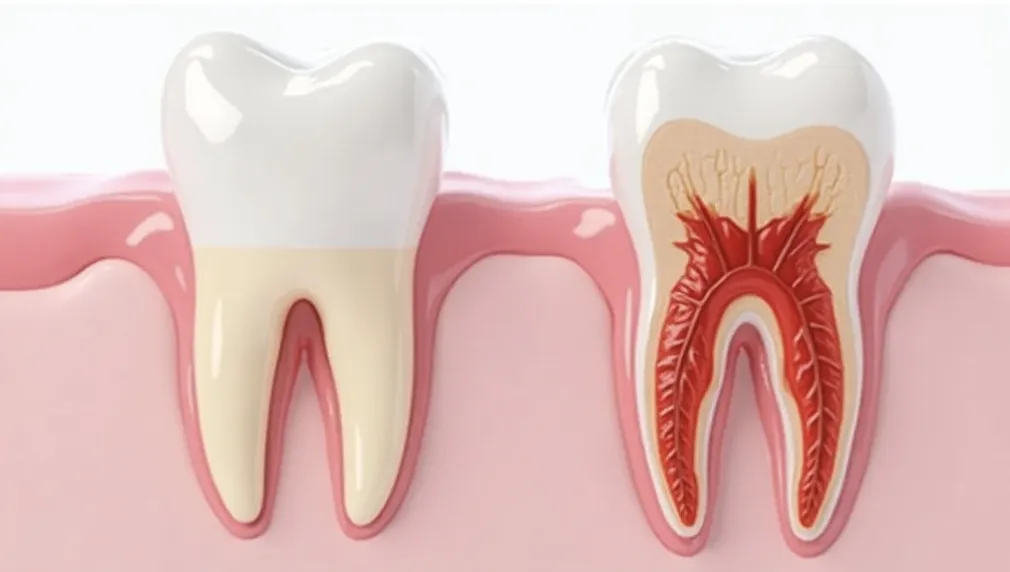
Gum disease refers to a spectrum of conditions that affect the tissues supporting your teeth—primarily your gums (gingiva), periodontal ligament, and the underlying bone. The earliest, most reversible stage is gingivitis, which occurs when plaque—a sticky film of bacteria—accumulates along the gumline. If left untreated, gingivitis can progress to the more severe periodontitis. In periodontitis, inflammation and infection extend deeper, gradually eroding both the gum tissues and the bone that anchor your teeth. This can result in gums pulling away from the teeth (gum recession), formation of deep pockets, and the risk of tooth loss.
At the heart of gum disease is the persistent presence of dental plaque and microbial biofilm. These microorganisms trigger your immune response, leading to inflammation intended to fight infection. Over time, chronic inflammation damages healthy tissue, weakening the foundation that keeps your teeth stable. Understanding how bacterial biofilm drives both gingivitis and periodontitis is essential for effective gum disease treatment and prevention.
Gingivitis and Periodontitis: The Basics of Periodontal Disease
Gingivitis is the earliest form of gum disease, marked by redness, swelling, and bleeding gums—especially during brushing and flossing. At this stage, the infection is confined to your gum tissue, and bone or tooth loss is not yet a risk. With improved oral hygiene and professional cleaning, gingivitis is usually reversible. If neglected, the condition can progress to periodontitis. In periodontitis, the bacterial infection extends more deeply, affecting the visibly reddened and swollen gums, destroying connective tissue, and slowly reducing the bone that holds your teeth in place. Advanced periodontitis can lead to loose teeth and, ultimately, the need for extraction.
The transition from gingivitis to periodontitis is not always clear-cut, and the damage often progresses silently. Recognizing early symptoms of gum disease, such as bleeding gums or persistent bad breath, is crucial for timely intervention. Most advanced periodontal disease cannot be completely reversed, making early detection and ongoing prevention essential to maintaining optimal oral health.
How Bacterial Plaque and Biofilm Trigger Gum Inflammation
Bacterial plaque begins forming on your teeth within hours after brushing. If not removed through diligent brushing and flossing, it hardens into tartar (calculus) and becomes even more resistant to cleaning. This plaque harbors colonies of bacteria which release toxins and enzymes, overwhelming your gum tissue and activating your immune system. Chronic exposure leads to persistent inflammation, cause of swelling, redness, and bleeding.
While inflammation is a normal body defense, long-term irritation triggers tissue breakdown and attracts even more damaging bacteria. Gum pockets deepen, and bone loss can occur. People with certain risk factors—such as smoking, poorly controlled diabetes, or genetic predisposition—may experience more rapid and severe progression. The good news? With regular oral hygiene, professional dental cleaning, and prompt evaluation, you can control the progression and protect your teeth and gums from irreversible damage.
For those interested in a more detailed look at dental professionals and services available in your area, you can explore the comprehensive directory of dentists to find practitioners experienced in gum disease treatment and prevention. This resource can help you connect with the right specialist for your unique oral health needs.
Gum Disease Progression Diagram: From Healthy Gums to Advanced Periodontitis
Healthy Gums → Firm, pale pink, no bleeding
Gingivitis → Redness, minor swelling, bleeding during brushing
Early Periodontitis → Gums recede, formation of shallow pockets, minor bone loss
Advanced Periodontitis → Deep gum pockets, significant bone loss, loose teeth, potential tooth loss
Recognizing the Signs and Symptoms of Gum Disease
Typical Gum Disease Symptoms: Bleeding Gums, Bad Breath, Swelling, and More

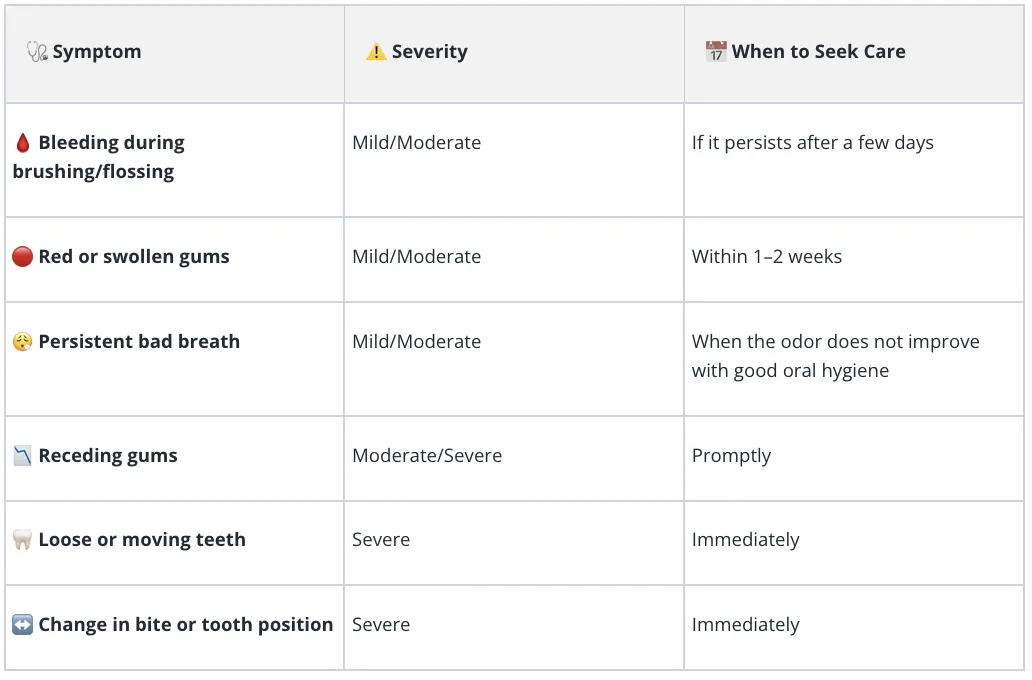
The warning signs of gum disease can be easy to overlook in the early stages. Bleeding gums—especially during brushing or flossing—are one of the earliest and most important symptoms. Additional clues may include persistent bad breath (halitosis), red or swollen gums, gum recession with longer-looking teeth, increased tooth sensitivity, and teeth that feel loose or shift when biting. Gum disease symptoms vary depending on severity and the specific type of periodontal condition.
If you notice any of these signs, it’s vital to schedule a dental professional evaluation. Early intervention often means simpler, more effective gum disease treatment and a greater chance of preserving your natural teeth. Periodontal disease left untreated can escalate rapidly and may ultimately require advanced procedures such as bone graft or even tooth removal.
Bleeding while brushing or flossing
Persistent bad breath
Gum swelling or redness
Receding gums
Loose or moving teeth
Tooth sensitivity or bite changes
Warning Signs Checklist for Gum Disease
☐ Bleeding while brushing or flossing
☐ Persistent bad breath
☐ Gum swelling
☐ Gum recession
☐ Tooth looseness
☐ Increased sensitivity
Gum Disease Stages Explained: What They Mean for Gum Disease Treatment
Stage I, II, and III Periodontitis: Determining Severity and Treatment Needs
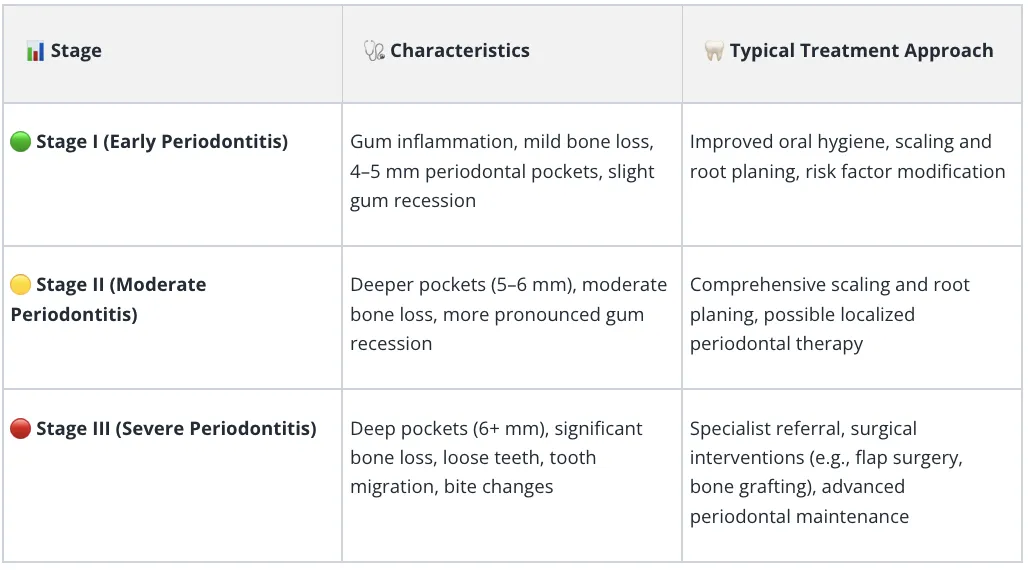
Dentists classify periodontitis in three main stages to guide treatment. Stage I periodontitis involves minimal bone loss and can usually be controlled with scaling and root planing along with rigorous oral hygiene. At Stage II, moderate bone and attachment loss is evident, requiring more intensive deep cleaning and potentially localized therapies. In Stage III periodontitis, bone loss is extensive, tooth looseness may be present, and advanced procedures—including bone grafting or specialist care—are often necessary.
Understanding your stage helps establish realistic treatment outcomes and guides decisions about surgery, restorative care, and long-term periodontal maintenance. With each stage, earlier intervention means an improved prognosis and a better chance of preserving your natural teeth and gums.
How Dentists Diagnose Gum Disease and Plan Treatment
Periodontal Examination, Probing Depths, X-rays, and Risk Assessment

Diagnosing gum disease begins with a thorough dental examination. Dentists use a specialized instrument called a periodontal probe to measure the depth of the pockets between your teeth and gums. Healthy gums typically show pockets of 1–3mm, while deeper measurements may signal periodontitis. X-rays are taken to check for hidden bone loss around the teeth—a key sign that the disease has progressed beyond gingivitis.
A review of your medical history is equally important. Chronic conditions such as diabetes, autoimmune diseases, and certain medications can increase your risk for gum disease and influence the best course of gum disease treatment. The dentist also considers lifestyle risk factors such as smoking and oral hygiene habits. By gathering this detailed information, your dental professional creates a personalized, evidence-based treatment plan tailored to the stage and severity of your periodontal disease.
Step-by-Step Gum Disease Treatment: From Education to Maintenance
Effective periodontal therapy is a journey, not a single event. Successful gum disease treatment involves several steps—each designed to control infection, stabilize the supporting tissues, and set you up for lifelong oral health. Let’s explore each phase.
Step 1: Patient Education and Individual Risk Factor Control
Brushing and flossing techniques
Cleaning between teeth
Smoking cessation support
Managing diabetes and health conditions
The first and most critical step is education: You’ll receive instruction on proper brushing and flossing practices, including how to clean between teeth with tools like interdental brushes or water flossers. Dental professionals will review your home care technique and advise you on the products best suited for your individual needs.
Beyond hygiene, successful gum disease treatment focuses on eliminating controllable risk factors for gum disease. This may include quitting smoking, improving diabetes management, addressing dry mouth, and modifying your diet to reduce sugar intake. The more consistently you address these underlying contributors, the better your outcomes at every stage of periodontal therapy.
Step 2: Professional Periodontal Cleaning—Scaling and Root Planing
Plaque and tartar removal
Deep cleaning teeth surfaces and roots
How these steps help reduce gum inflammation and infection

When plaque and hardened tartar build up below the gumline, regular brushing alone cannot remove them. Scaling and root planing, also known as deep cleaning teeth, is the foundation of non-surgical gum disease treatment. Scaling involves gently removing deposits from tooth surfaces both above and below the gumline. Root planing smooths the tooth roots, making it harder for bacteria to reattach and giving your gums a chance to heal.
Deep cleaning helps resolve gum inflammation, tightens up gum pockets, and creates an environment where healthy gums can regenerate. Your dental professional may complete the treatment over several visits, especially if multiple teeth or areas are affected. Some patients may receive localized medications to target infection or reduce inflammation.
Step 3: Advanced Gum Disease Treatment & Specialist Care
When periodontal surgery may be needed
Specialist interventions for severe disease
In cases where gum disease has caused significant bone loss, deep pockets, or does not respond to deep cleaning, referral to a periodontist (gum specialist) may be necessary. Advanced periodontal treatment can include surgical procedures like flap surgery (to further reduce pocket depth), bone grafting (to rebuild lost bone), or regenerative therapies to encourage the reattachment of the gum tissue. These specialist interventions aim to preserve teeth that might otherwise be lost to disease.
While surgery may sound intimidating, it is planned carefully and often used only when other therapies have not achieved the desired results. The main goals: arrest further damage, support remaining tooth structure, and improve your ability to keep your mouth clean and healthy.
Step 4: Periodontal Maintenance for Lasting Gum Disease Control
Maintenance visits every 3–4 months
At-home plaque control
Monitoring risk factors to prevent recurrence
After the active phase of gum disease treatment, the most important predictor of long-term success is regular periodontal maintenance. This involves professional cleaning every 3–4 months, careful monitoring of gum pocket depths, and a renewed focus on at-home oral hygiene.
Your dental team will continue to assess risk factors such as changes in medical status, medication adjustments, or lapses in plaque control. If signs of recurrence appear, early intervention ensures you stay ahead of the disease. By collaborating with your dental professional and maintaining healthy routines, you greatly increase your chances of keeping your teeth and gums healthy for a lifetime.
What Is Deep Cleaning Teeth? Scaling and Root Planing in Gum Disease Treatment
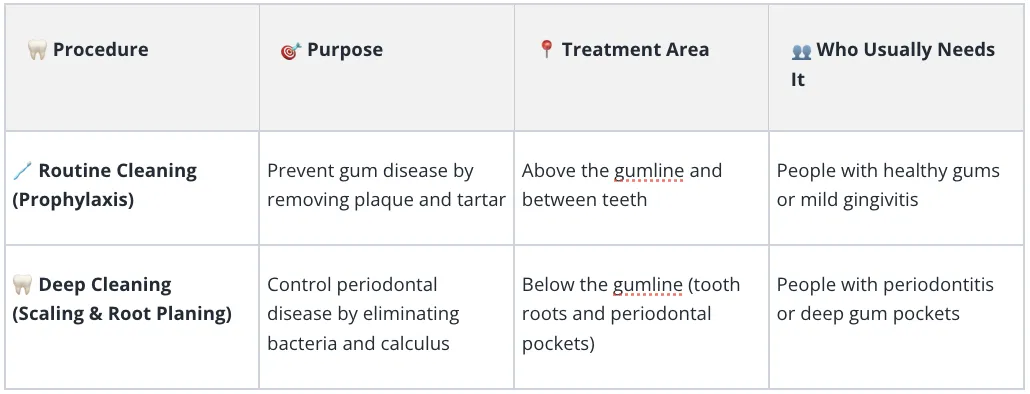
Deep cleaning—the common name for scaling and root planing—is a specialized, evidence-based approach to managing gum disease above and below the gumline. Unlike regular dental cleanings—which primarily target surfaces above the gums—deep cleaning targets the root surfaces, removing tough calculus and bacterial plaque that accumulate in gum pockets and on root surfaces.
This procedure helps shrink gum pockets, reduce inflammation, and allows the gum tissue to reattach more snugly to your teeth. Deep cleaning teeth is essential when gum pockets measure 4mm or deeper, indicating a higher risk for continued periodontal disease progression. Patients often wonder about discomfort: your dental professional will ensure comfort through local anesthesia or numbing gels, and most people find the experience manageable.
What Happens During a Deep Cleaning Procedure
Your dental hygienist or periodontist performs scaling using manual tools or ultrasonic devices to break up tough deposits and flush out bacteria from below the gumline. Root planing smooths the surface of the roots, making it more difficult for further bacteria to attach and reducing the risk of recurrent infection. Each quadrant of your mouth may be treated over one or more appointments, depending on severity.
After the procedure, you may experience some tenderness or mild bleeding, which typically subsides within a few days. Your dentist will provide aftercare instructions for brushing, flossing, and managing temporary gum sensitivity. Deep cleaning is a cornerstone for managing periodontitis and setting the stage for healing and maintenance.
Routine Cleaning vs Deep Cleaning: Key Differences
Recovery After Gum Disease Treatment: What Patients Can Expect
Timeline for healing
Managing gum sensitivity
How to brush and floss safely as gums heal
When to return for follow-up dental visits
Healing after gum disease treatment varies by individual, the extent of disease, and the severity of intervention. Most people experience mild gum soreness and increased sensitivity for a few days to a week after scaling and root planing. Swelling or minor bleeding may also occur. Your dental professional may recommend a soft-bristled toothbrush and show you modified flossing or brushing techniques to protect healing tissues.
Good oral hygiene remains essential during recovery—even if your gums are tender, gentle brushing and flossing prevent harmful bacteria from reestablishing. Use an antibacterial mouthwash if directed, and avoid smoking, which impairs healing. Follow-up visits allow your dentist to monitor progress and determine if additional treatment or maintenance is needed. Most essential: commit to your personalized care plan, knowing that every step is helping you restore and sustain your mouth’s foundation.
Preventing Gum Disease from Returning: Periodontal Maintenance and Oral Health Habits

Effective brushing and flossing
Interdental cleaning tools
Professional cleanings and check-ups
Healthy diet choices
Avoiding smoking and tobacco
Medical management of health conditions
Once your gums have healed, the focus turns to keeping gum disease at bay. Brushing twice daily with fluoride toothpaste, daily interdental cleaning (floss or brushes), and regular dental visits are non-negotiable for lifelong oral health. Consider incorporating tools such as water flossers, special floss, and mouth rinses as recommended.
Nutrition and lifestyle are equally important: A balanced, low-sugar diet supports healthy gum tissue, while avoiding tobacco products reduces your risk for gum disease and other oral cancers. Manage chronic conditions—including diabetes—with your physician’s support, as these can increase your risk for gum disease. Professional cleanings and exams several times a year help detect early changes and support ongoing success.
Healthy Gum Checklist for Ongoing Gum Disease Prevention
Brush twice daily—2 minutes each session
Floss or use interdental cleaners daily
Schedule dental cleanings and checkups every 3–6 months
Eat a balanced diet, rich in vitamins and low in processed sugars
Avoid tobacco and limit alcohol
Manage medical conditions, especially diabetes
Quickly address any bleeding, swelling, or tooth movement
Benefits and Limitations of Periodontal Treatment
Key benefits for oral health and overall well-being
Potential limitations—why ongoing care remains essential
Benefits: Successful periodontal treatment leads to reduced gum inflammation, healthier mouth, improved confidence, and a greater ability to retain your natural teeth. Effective control can slow or halt the progression of disease, decreasing your risk of tooth loss and supporting your general well-being.
Limitations: Even the best treatment cannot fully reverse advanced loss of bone or gum tissue. That’s why periodontal maintenance is vital—without regular follow-up and meticulous home care, periodontitis can return or progress. Some people may always be at higher risk due to genetics or health conditions and will need ongoing support from their dental professional.
“A healthy smile is built on the foundation of healthy gums. Long-term gum disease control relies on professional care and consistent home hygiene.”
People Also Ask About Gum Disease Treatment
Can you get rid of gum disease?
Gingivitis—the mildest form of gum disease—can be reversed with good oral hygiene and professional cleaning. Periodontitis, a more advanced stage, usually cannot be “cured,” but it can be controlled. Consistent treatment, maintenance, and home care help prevent further bone or tooth loss.
Effective gum disease treatment depends on the stage. Early gingivitis responds well to improved brushing, flossing, and dental cleanings, which can restore healthy gums. With periodontitis, however, the damage to supporting bone and tissue is often permanent. Modern periodontal therapy focuses on stopping or controlling further progression through scaling and root planing, risk factor control, regular maintenance, and sometimes surgical intervention. Lifelong vigilance is the key to keeping the condition stable.
Is gum disease life long?
For many people with periodontitis, gum disease is a chronic condition requiring lifelong maintenance. Although treatment can halt or control disease, ongoing monitoring and oral hygiene are vital to prevent recurrence or progression.
Unlike some infections, periodontitis doesn’t always disappear completely. The bone and gum tissue lost cannot always be regenerated, which is why the goal is to stabilize the disease and keep it from worsening. With regular dental visits, excellent home care, and risk factor control, patients can successfully manage periodontitis and reduce its impact on oral health.
What is the new treatment for gum disease?
Recent advances in gum disease treatment include minimally-invasive techniques, locally delivered antimicrobials, and regenerative materials that help rebuild lost support tissue. Non-surgical therapy remains first-line, but new scientific guidelines have improved how dentists customize care for each patient.
The latest periodontal treatment guidelines prioritize non-surgical scaling and root planing, followed by tailored risk management and ongoing periodontal maintenance. For some, adjunctive therapies—such as laser-assisted cleaning, bioactive gels, or guided tissue regeneration—can further improve outcomes. Surgical interventions, like flap surgery or bone grafting, are now more targeted and less invasive. Talk to your dental professional about which options are best for your specific case.
How do I treat my gum disease at home?
Thorough daily oral hygiene is the first defense against gum disease at home: brush twice a day, clean between teeth daily, avoid tobacco, and maintain a healthy diet. Home care complements—but does not replace—professional dental treatment.
Brush gently for two minutes using a soft-bristled toothbrush and fluoride toothpaste. Clean between your teeth with floss or interdental brushes. Use an antibacterial mouthwash if needed. Avoid sugary snacks and quit smoking, which is a major risk factor for gum disease. However, if you notice bleeding, swelling, or persistent bad breath—even with great home care—schedule a dental checkup right away. Professional assessment and possible deep cleaning are necessary to fully control gum disease.
FAQ: Gum Disease Treatment, Stages, Deep Cleaning, Recovery, and Prevention
What is gum disease?
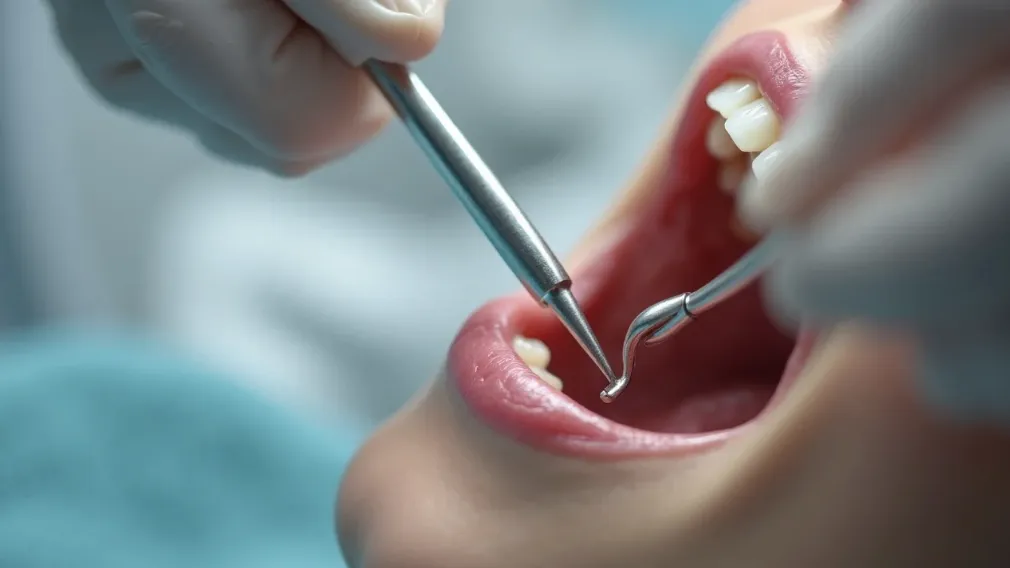
Gum disease, or periodontal disease, is an infection of the tissues supporting the teeth. It begins with gum inflammation (gingivitis) caused by plaque build-up, and can progress to periodontitis, where the bone anchoring the teeth is affected. Without prompt care, gum disease can lead to tooth loss and other oral health issues.
What are the stages of periodontitis?
Periodontitis is classified in stages based on severity. Stage I is early periodontitis with slight bone loss, Stage II is moderate with deeper pockets, and Stage III is advanced with significant attachment loss and tooth mobility. Staging guides treatment type and helps predict long-term outcomes.
How is gum disease diagnosed?
Dentists diagnose gum disease through periodontal probing, measuring gum pocket depths, checking for bleeding and recession, and using X-rays to evaluate bone loss. A review of your health history and risk factors helps create a personalized treatment plan for optimal oral health.
What is scaling and root planing?
Scaling and root planing is a non-surgical deep cleaning procedure used in gum disease treatment. It removes plaque and calculus from below the gumline and smooths the tooth roots. This reduces bacteria, supports healing, and halts further gum and bone destruction.
How is deep cleaning different from regular cleaning?
Regular dental cleanings remove plaque and tartar from above the gumline, helpful for prevention. Deep cleaning (scaling and root planing) goes deeper, targeting bacteria and deposits below the gums in patients with gum disease, aiming to heal inflamed tissues and reduce pocket depths.
Can gum disease be cured?
Gingivitis can be cured with prompt care and good oral hygiene. Advanced periodontitis cannot always be reversed, as bone and tissue loss may be permanent; however, with consistent treatment and maintenance, further progression can be controlled, helping preserve your teeth long-term.
How long does periodontal treatment take?
The length of periodontal treatment varies. Active deep cleaning may require several appointments over weeks. Healing can take days to weeks, and maintenance is ongoing every 3–4 months. Consistent care helps keep gums healthy and prevents future disease flare-ups.
How can I improve gum health at home?
To improve gum health, brush twice daily with a soft brush, floss or use interdental brushes every day, eat a balanced diet, and avoid tobacco. Manage conditions like diabetes and attend regular dental check-ups for professional cleaning and gum evaluation.
Why are periodontal maintenance visits important?
Maintenance visits every 3–4 months are vital after gum disease treatment. They allow your dentist to remove new plaque, monitor your gum health, and catch recurrence early. Regular care helps prevent further tissue damage and extends the life of your natural teeth.
Can gum disease come back?
Yes, gum disease can return if oral hygiene slips or maintenance visits are missed. Some patients are more prone to recurrence because of medical, genetic, or lifestyle factors. Continuous professional care and diligent home hygiene minimize the risk of relapse.
Take control of your oral health today. Contact us to connect with an experienced dental professional and start your personalized gum disease treatment journey.
If you’re ready to take the next step in your oral health journey, consider exploring the full range of dental specialists and services available. Whether you’re seeking preventive care, advanced periodontal treatment, or simply want to maintain your healthiest smile, connecting with the right dental professional can make all the difference. Discover how a tailored approach to dental care can support not only your gums but your overall well-being. Your path to lifelong oral health starts with informed choices and the support of a trusted dental team.
S. Raj, M.D. / Bestdentists.com
Director, Search Intelligence University/IABLEd
International Association for Business Leaders’ Education
Sources

The IABLEd Growth Intelligence University
The Definitive Curriculum for Modern Dentistry and Oral Health
Praevenire. Curare. Sorridere.
Prevent. Treat. Smile.
Want Your World to Discover You,
the Easy Way?
Experience exceptional dental care while discovering the confidence of a healthier smile.
We provide the expertise, technology, and personalized treatment to help you achieve lasting oral health and beautiful, confident smiles. Ask us how.
Copyright 2026. Best Dentist Near Me. All Rights Reserved.


* * * * *
COMPANY
30721 Russell Ranch Rd Suite 140, Westlake Village, CA 91362
CUSTOMER CARE
Get In Touch
Mon – Thurs
10:00am – 4:00pm
Fridays by Appointment
Saturday, Golf
Sunday –hurch
LEGAL
Stay informed about how new technology can make or break a brand.
FOLLOW US


Prevent. Restore. Smile.
© 2026 IABLEd Dental Intelligence Academy | All Rights Reserved.
1: Oral Health Foundations 2: Preventive Dentistry & Patient Care 3: Restorative Dentistry & Treatment Planning 4: Advanced Clinical Techniques & Digital Dentistry 5: Cosmetic & Comprehensive Dental Care 6: Bonus Dental Masterclass Series