
Benefits, Safety, How It Prevents Cavities, and How to Choose the Right One
Author; S.Raj, M.D, Updated: 7/22/2026 Reading Time: 5 Minutes
Fluoride Toothpaste Explained
Imagine a family starting their day together, parents and child smiling as they brush their teeth side by side. This everyday ritual—so simple, yet crucial—is one of our best defenses against tooth decay, a health issue so common it affects millions, young and old, around the world. But what makes brushing so effective isn’t just the act itself—it’s the use of fluoride toothpaste, a product at the heart of preventive dentistry. Using the right toothpaste with the right technique helps keep enamel strong and cavities at bay.
Fluoride toothpaste
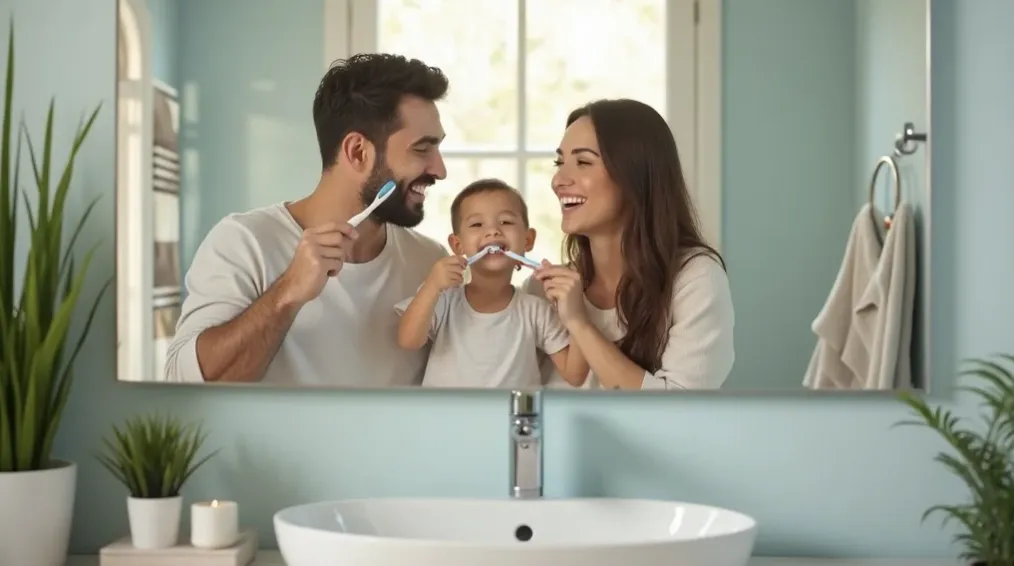
Brushing twice daily with an appropriate fluoride toothpaste is one of the most effective ways to help reduce the risk of tooth decay.
Tooth decay remains among the world’s most widespread health challenges. Left unchecked, it can harm not just teeth, but self-confidence and overall wellbeing. Decades of research by dental professionals, including the American Dental Association, have shown that regular use of fluoride toothpaste is a reliable foundation for maintaining oral health. Along with proper brushing habits, this simple step supports enamel protection, shields against acid attack from oral bacteria, and provides the essential minerals teeth need for lasting strength.
What You’ll Learn:
What is fluoride toothpaste and why dental professionals recommend it
How fluoride protects against cavities through remineralization
Safe, evidence-based use for children and adults
How to pick the best fluoride toothpaste for your needs
Fluoride myths vs facts and key dental hygiene tips
How much toothpaste to use and how to maximize benefits
Why Preventive Dentistry Begins With Fluoride Toothpaste

Preventive dentistry is all about stopping oral health problems before they start. Central to this approach is daily use of fluoride toothpaste. While diet, dental checkups, flossing, and sometimes mouth rinse are important, brushing twice a day with fluoride toothpaste is the essential, evidence-based step no one should skip. Research consistently shows that this routine, especially when begun early and done correctly, can significantly lower a person’s risk of cavities—no matter your age. The fluoride ions supplied in each squeeze of toothpaste help keep your smile strong for life.
Fluoride toothpaste is suitable for nearly everyone: kids, teens, adults, and seniors. Because tooth decay remains highly prevalent, the combination of proper brushing and the right fluoride toothpaste offers accessible protection to families everywhere. Importantly, it’s not just about removing debris—fluoride actively works within dental plaque and saliva to boost your teeth’s defenses. Even in places where drinking water is fluoridated, using fluoride toothpaste has been proven to give meaningful added protection.
For those interested in a more hands-on approach to daily oral care, understanding the best tooth brushing techniques recommended by dental professionals can further enhance the effectiveness of fluoride toothpaste and help maximize cavity prevention.
What Is Fluoride Toothpaste?

Fluoride toothpaste is a dental hygiene product containing fluoride—a naturally occurring mineral—which is added specifically to help prevent tooth decay and strengthen tooth enamel. Fluoride is found in nature, the Earth’s crust, some foods, and in many water sources. It is included in toothpaste because its unique properties help teeth resist the constant attacks from acid-producing oral bacteria that live in dental plaque.
The most common toothpaste ingredients delivering fluoride are sodium fluoride, stannous fluoride, and sodium monofluorophosphate. When you brush, fluoride ions from these compounds interact with your saliva and dental plaque, working to make your enamel harder and more resilient. Fluoride doesn’t replace brushing technique or professional dental visits, but it’s a fundamental component of effective oral care.
Fluoride toothpaste is a standard preventive oral care product.
Fluoride ions work within dental plaque and saliva to support remineralization.
“Dental professionals recommend using fluoride toothpaste as a fundamental step in protecting oral health.”
What is fluoride toothpaste?
Fluoride toothpaste is a dental hygiene product containing fluoride compounds that help strengthen enamel, reduce the risk of cavities, and support mouth health through daily preventive oral care.
How Fluoride Toothpaste Protects Teeth
Every time you eat or drink, oral bacteria in dental plaque break down sugars and produce acids. These acids begin to dissolve the hard outer surface of your tooth—the enamel—in a process called demineralization. If left unchecked, demineralization weakens tooth structure and opens the door for dental caries (cavities).
Here’s where fluoride toothpaste comes in: as you brush, fluoride ions are delivered to the surfaces of teeth. They help reverse early mineral loss by encouraging remineralization—the natural repair process where minerals like calcium and phosphate are redeposited into weakened enamel, making it harder and more resistant to future acid attacks. This daily strengthening effect not only defends against small cavities but also helps repair the very first stages of enamel breakdown, well before serious tooth decay has a chance to start.
How It Works:
Acid attack from sugars and oral bacteria leads to mineral loss (demineralization).
Fluoride supports the return of minerals to the enamel (remineralization).
Stronger enamel reduces cavity risk.
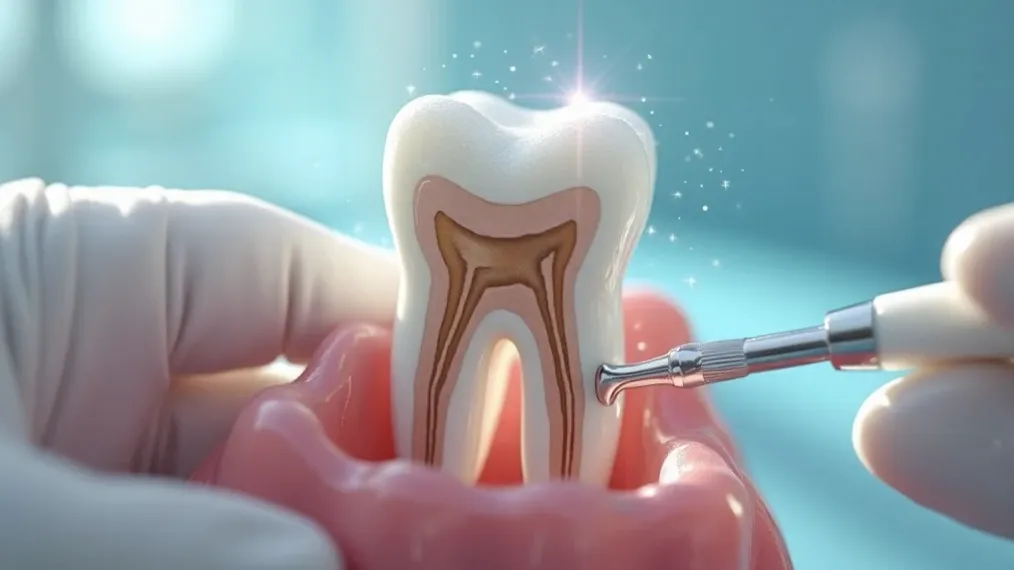
How does fluoride toothpaste prevent cavities?
Fluoride toothpaste prevents cavities by enhancing enamel’s resistance to acid, promoting remineralization, and reducing bacterial acid damage, making teeth stronger and less susceptible to tooth decay.
Choosing the Right Fluoride Toothpaste
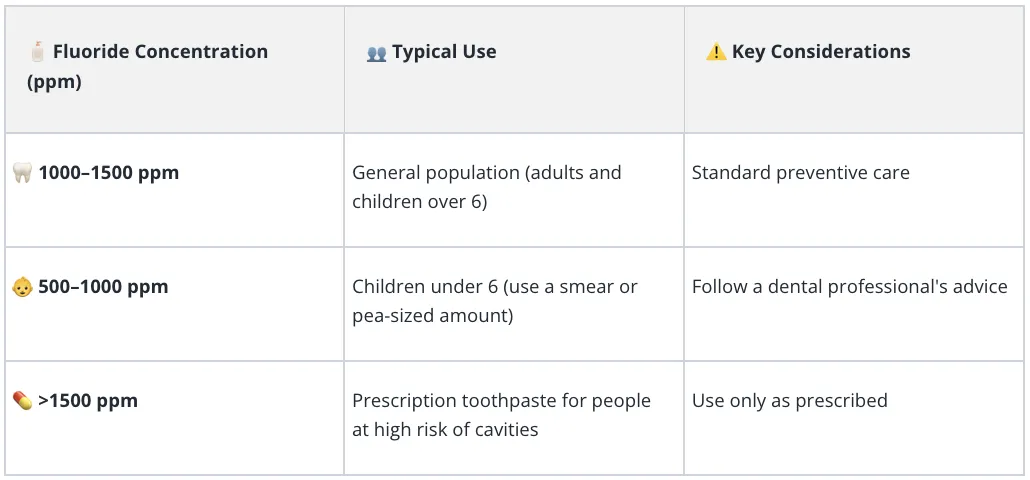
Not all fluoride toothpastes are identical—differences in fluoride concentration and specific formulations mean you should choose what’s right for your age, cavity risk, and oral health needs. For most people, standard-strength fluoride toothpaste (containing 1000–1500 parts per million, or ppm, of fluoride) is sufficient for daily oral hygiene. These products are designed to provide effective enamel protection and support ongoing remineralization for children over six and adults.
For individuals at higher risk of dental caries—such as people with weakened enamel, dry mouth, or certain medical conditions—dental professionals may recommend a prescription-strength fluoride toothpaste (often with concentrations above 1500 ppm). Children under six require special consideration, as too much fluoride can pose a risk of dental fluorosis. Always ask your dentist or dental hygienist which fluoride toothpaste is safest and most effective for your family’s needs.
“Dental professionals may recommend different fluoride toothpaste concentrations based on individual needs and cavity risk.”
Table: Fluoride Concentration Guidelines
Fluoride toothpastes with concentrations above 1500 ppm are considered high in fluoride and are usually available only by prescription. Standard over-the-counter toothpastes typically provide 1000–1500 ppm, which is sufficient for most adults and children over age six.
Which fluoride toothpastes are high in fluoride?
Fluoride toothpastes labeled with concentrations above 1500 ppm are considered high in fluoride and are typically prescribed for people at high risk for cavities. Standard retail toothpastes for the general public provide 1000–1500 ppm of fluoride and are usually adequate for everyday preventive care.
Fluoride Toothpaste Use in Children: What Parents Should Know
What is the difference between dental X-rays and CBCT?
Young children benefit greatly from fluoride toothpaste—but it’s extremely important to use it correctly. Babies and toddlers are more sensitive to the amount of fluoride they receive, and improper use can result in a condition known as dental fluorosis, where developing teeth may show faint white marks. Dental professionals recommend using only a very small amount of fluoride toothpaste in children and ensuring adults supervise until age six or when a child can reliably spit after brushing.
For children under three, a smear of toothpaste the size of a grain of rice is usually appropriate; from ages three to six, a pea-sized amount suffices. Ensure your child brushes thoroughly but spits out the excess foam rather than swallowing it. Supervision not only helps prevent dental fluorosis but also builds good habits for lifelong oral care. Ask your dentist about children’s fluoride toothpaste that match your child’s specific needs or cavity risk.
Children’s Fluoride Toothpaste Tips:
Use only a small amount of toothpaste
Always supervise young children when brushing
Choose age-appropriate fluoride toothpaste
Seek dental professional guidance for specific recommendations
“Start good oral health habits early with fluoride toothpaste, but tailor use based on your child’s dental risk and age.”
Is fluoride toothpaste safe for children?
Fluoride toothpaste is safe for most children when used as directed and with parental supervision. Use only the recommended amount and encourage your child to spit out the extra foam after brushing to minimize the risk of dental fluorosis and ensure healthy tooth development.

Daily Brushing Best Practices with Fluoride Toothpaste
Using fluoride toothpaste is only as effective as your overall brushing habits. Consistency, technique, and the right tools all matter. Dental professionals recommend twice-daily brushing with a soft-bristled toothbrush—typically for about two minutes each time. Gently clean every surface of every tooth, including along the gumline and the chewing surfaces where plaque can hide. Don’t forget to clean between teeth with floss or another interdental cleaner every day; this removes plaque and food particles that toothbrush bristles can’t reach.
Limiting frequent sugar and acidic food or drink exposure will further reduce your risk of tooth decay. Replace your toothbrush or electric brush head every three to four months, and see your dentist for regular exams and professional cleanings. Preventive oral care takes a team effort—at home and with your dental professional.
Daily Oral Hygiene Checklist:
Brush twice daily with fluoride toothpaste
Clean between teeth daily
Limit frequent sugar exposure
Replace toothbrush when needed
Schedule dental visits
How much fluoride toothpaste should I use?
Adults and children over six should use a pea-sized amount of fluoride toothpaste. For younger children, a smear about the size of a grain of rice is advised. This approach minimizes unintended swallowing while delivering enough fluoride for effective enamel protection. For specific advice, consult your dental professional.
Fluoride Safety: Facts and Common Concerns
Fluoride toothpaste has been rigorously studied and shown to be safe and effective when used as directed. Sometimes, confusion or myths about fluoride arise from misunderstanding science or reading non-expert opinions online. Rarely, if too much fluoride is swallowed during early tooth development, mild white marks (dental fluorosis) can appear in the enamel. But using age-appropriate amounts under supervision makes this unlikely. For older children and adults, normal use of fluoride toothpaste does not pose health risks.
Respecting age recommendations and following the advice of dental professionals helps every family safely benefit from fluoride’s enamel-protecting abilities. Remember: using more toothpaste than recommended will not speed up results or provide better protection, and could introduce unnecessary risk for young children. If you have questions about fluoride products, your dentist is the best resource for answers based on science and your personal health needs.
What to Know:
Respect age-based fluoride recommendations
Use professional guidance for young children
Monitor toothpaste use and storage
Can too much fluoride cause problems?
Too much fluoride during tooth development in childhood can result in mild dental fluorosis, which may appear as small white spots. In adults and older children, normal use of fluoride toothpaste carries minimal risk. Always follow product guidelines and dental professional recommendations for safe, effective results.

Benefits and Limitations of Fluoride Toothpaste in Preventive Dentistry
Benefits of Fluoride Toothpaste:
Supports cavity prevention
Strengthens and remineralizes enamel
Reduces effects of acid attack from oral bacteria
Limitations:
Does not repair large cavities or advanced dental caries
Cannot replace professional dental treatment
Most effective as part of comprehensive preventive oral care
“Dental professionals may recommend different fluoride toothpaste concentrations based on individual needs and cavity risk.”

Frequently Asked Questions About Fluoride Toothpaste
What is fluoride toothpaste?
Fluoride toothpaste is a type of toothpaste containing fluoride compounds such as sodium fluoride or stannous fluoride. These ingredients help protect tooth enamel from decay, strengthen teeth, and reduce the risk of cavities. Regular use of fluoride toothpaste is recommended for most people as a trusted part of daily preventive oral care.
How does fluoride protect teeth?
Fluoride protects teeth by encouraging remineralization, which helps restore lost minerals to enamel after acid attacks. It also lowers the activity of harmful oral bacteria in dental plaque and makes enamel more resistant to future decay, providing ongoing enamel protection.
Is fluoride toothpaste safe every day?
Yes, daily use of fluoride toothpaste is safe for nearly everyone. Using the correct amount for your age and following brushing instructions ensures the benefits of cavity prevention without any significant risk, making it a cornerstone of effective dental hygiene.
Which fluoride toothpaste is best for children?
The best fluoride toothpaste for children is one with an appropriate fluoride level for their age—generally 500–1000 ppm. It should be used in small, supervised amounts under adult guidance. Dental professionals can recommend the most suitable products based on your child’s needs and cavity risk.
Can fluoride reverse early tooth decay?
Fluoride toothpaste can help reverse very early stages of tooth decay by promoting remineralization of weakened enamel. It cannot, however, repair larger cavities or decay that has reached the dentin. Early detection and daily use are important for the best protection.
Should adults always use fluoride toothpaste?
Most adults benefit from brushing twice daily with fluoride toothpaste. Exceptions are rare, such as severe fluoride allergy. For adults, consistent use helps keep enamel strong and reduces the lifetime risk of cavities, as supported by leading dental associations.
What is prescription fluoride toothpaste?
Prescription fluoride toothpaste contains a higher fluoride concentration (above 1500 ppm) and is used under dental supervision. It’s recommended for individuals with high cavity risk, weakened enamel, dry mouth, or special medical needs. Do not use prescription formula unless prescribed by your dental professional.
Can fluoride toothpaste prevent gum disease?
Fluoride toothpaste’s primary role is to protect against cavities by making enamel more resistant to acid. While it helps reduce dental plaque (a gum disease risk factor), additional practices, such as cleaning between teeth and regular dental visits, are necessary to fully prevent gum disease.
How much toothpaste should I use?
For adults and children over six, use a pea-sized amount of toothpaste. Younger children (under three) should use a rice-grain-sized smear. Using the right amount reduces the risk of swallowing excess fluoride and provides the best protection for enamel.
How do I get the most benefit from fluoride toothpaste?
Brush with fluoride toothpaste twice daily for two minutes, spit out the foam but avoid rinsing immediately for extra fluoride action, eat a balanced diet low in sugar, clean between teeth daily, and visit your dentist regularly. Consistency is key to long-term enamel protection.
Ready to personalize your oral care plan or need guidance on the best fluoride toothpaste for your family? Contact us today to connect with a dental professional who can recommend age- and risk-appropriate preventive strategies for lifelong oral health.
As you continue your journey toward optimal oral health, remember that choosing the right fluoride toothpaste is just one part of a comprehensive dental care strategy. For those seeking a broader perspective on preventive dentistry or looking to connect with trusted dental professionals in your area, explore the full directory dentists and oral health resources. This can help you stay informed, access expert advice, and take proactive steps for your family’s dental wellness. Empower yourself with knowledge and professional support to ensure your smile stays healthy for years to come.
S. Raj, M.D. / Bestdentists.com
Director, Search Intelligence University/IABLEd
International Association for Business Leaders’ Education
Sources
The IABLEd Dental Intelligence University
The Definitive Curriculum for Modern Dentistry and Oral Health
Praevenire. Curare. Sorridere.
Prevent. Treat. Smile.
Want Your World to Discover You,
the Easy Way?
Experience exceptional dental care while discovering the confidence of a healthier smile.
We provide the expertise, technology, and personalized treatment to help you achieve lasting oral health and beautiful, confident smiles. Ask us how.
Copyright 2026. Best Dentist Near Me. All Rights Reserved.


* * * * *
COMPANY
30721 Russell Ranch Rd Suite 140, Westlake Village, CA 91362
CUSTOMER CARE
Get In Touch
Mon – Thurs
10:00am – 4:00pm
Fridays by Appointment
Saturday, Golf
Sunday –hurch
LEGAL
Stay informed about how new technology can make or break a brand.
FOLLOW US


Prevent. Restore. Smile.
© 2026 IABLEd Dental Intelligence Academy | All Rights Reserved.
1: Oral Health Foundations 2: Preventive Dentistry & Patient Care 3: Restorative Dentistry & Treatment Planning 4: Advanced Clinical Techniques & Digital Dentistry 5: Cosmetic & Comprehensive Dental Care 6: Bonus Dental Masterclass Series