
Benefits, Types, Procedure, Care, and What to Expect
Author; S.Raj, M.D, Updated: 7/22/2026 Reading Time: 5 Minutes
Night Guards for Teeth Grinding Explained
Imagine waking up with sore jaw muscles or noticing chips in your teeth, only to learn these signs are caused by grinding your teeth at night—something you weren’t even aware of. Night guards can quietly protect your smile while you sleep, helping you wake up comfortably and preserve your dental health for years to come.
Navigating Teeth Grinding and Night Guards: A Patient’s Guide
“Many patients don’t realize they grind their teeth until their dentist points out the damage or their partner hears the grinding at night.”
What you'll learn in this guide:
What a night guard is and why it matters for teeth grinding
Differences between teeth grinding (bruxism) and teeth clenching
Types of night guards: custom vs. store-bought, hard vs. soft
Bruxism symptoms, causes, and dental damage
Night guard benefits, the fitting process, and care tips

Patient learning about a night guard from their dental care provider in a modern dental clinic.
What Is a Night Guard?
Defining Night Guard, Mouth Guard, and Dental Guard
“A night guard is a custom-made or prefabricated dental appliance designed to protect teeth from the effects of grinding or clenching during sleep.”
A night guard—also known as a mouth guard, occlusal guard, or dental guard—is a medical-grade appliance worn over your upper or lower teeth at night. Its main purpose is to provide a barrier and cushion that absorbs and distributes the pressure of grinding or clenching. Mouth guards for sports are different; they’re designed to prevent traumatic injuries, while night guards are specially made to protect against chronic wear and tear from bruxism (compulsive teeth grinding or clenching).
Key differences: Night guards are thinner and designed for nightly wear, while sports mouth guards are bulkier and worn during contact activities.
Night guards offer significant benefits when prescribed for symptoms of teeth grinding or clenching, helping adults and children prevent dental damage and relieve discomfort.
Understanding Teeth Grinding (Bruxism): Causes and Symptoms
What Is Sleep Bruxism and Why Do People Grind Their Teeth?
Sleep bruxism is the repetitive grinding or clenching of teeth during sleep—often without the person realizing it. It affects both children and adults, and its severity ranges from mild to severe. The causes are complex, usually involving a mix of physical, psychological, and genetic factors. Stress is a leading risk factor, but so are family history, sleep disorders, medications, and some medical conditions. It’s also helpful to know the difference between teeth grinding (side-to-side motion) and teeth clenching (biting down forcefully); both can damage teeth, but grinding tends to wear down tooth surfaces more rapidly.
Risk factors: Stress, anxiety, genetics, certain medications, sleep apnea, and misaligned teeth
Clenching (static pressure) vs. grinding (sideways movement): Both forms can cause pain or damage, but require slightly different protective approaches
Common signs: Chipped or flattened teeth, jaw pain, waking up with headaches, or your partner noticing grinding sounds
Recognizing if you grind your teeth: Look for these symptoms or ask your dentist for a checkup focused on bruxism risk
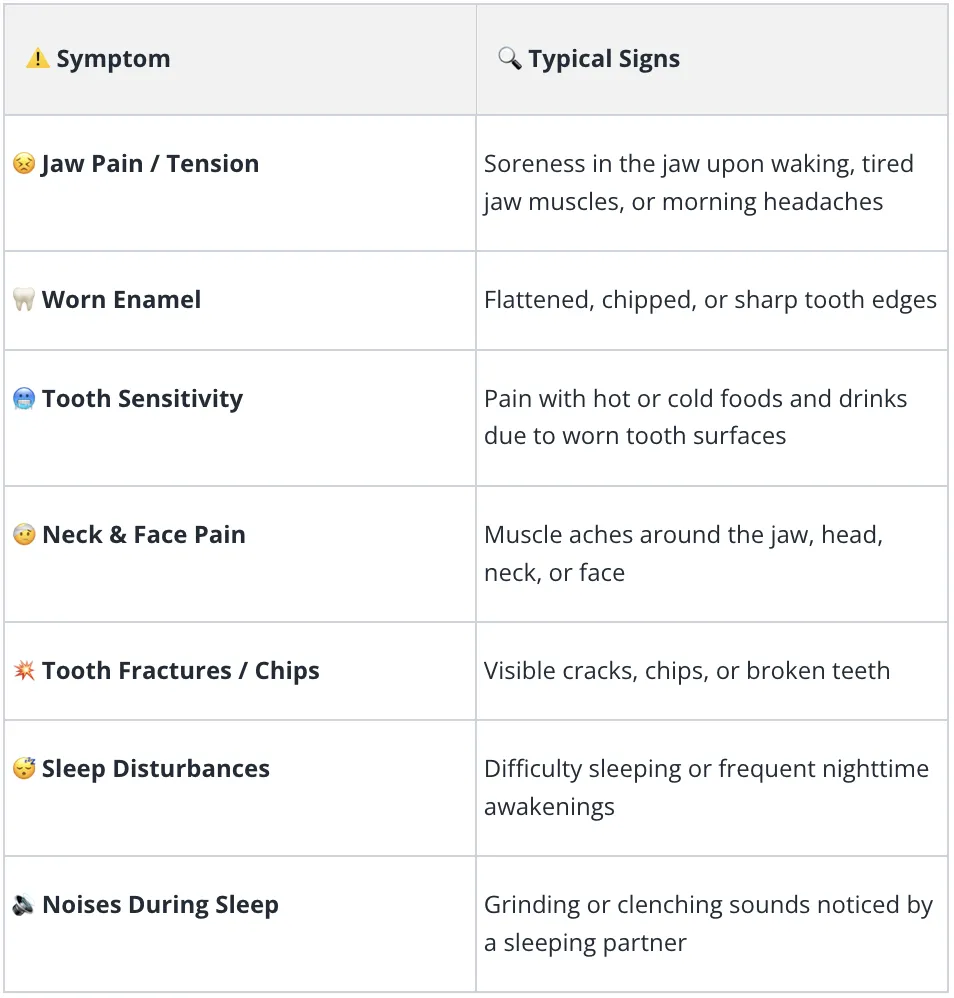
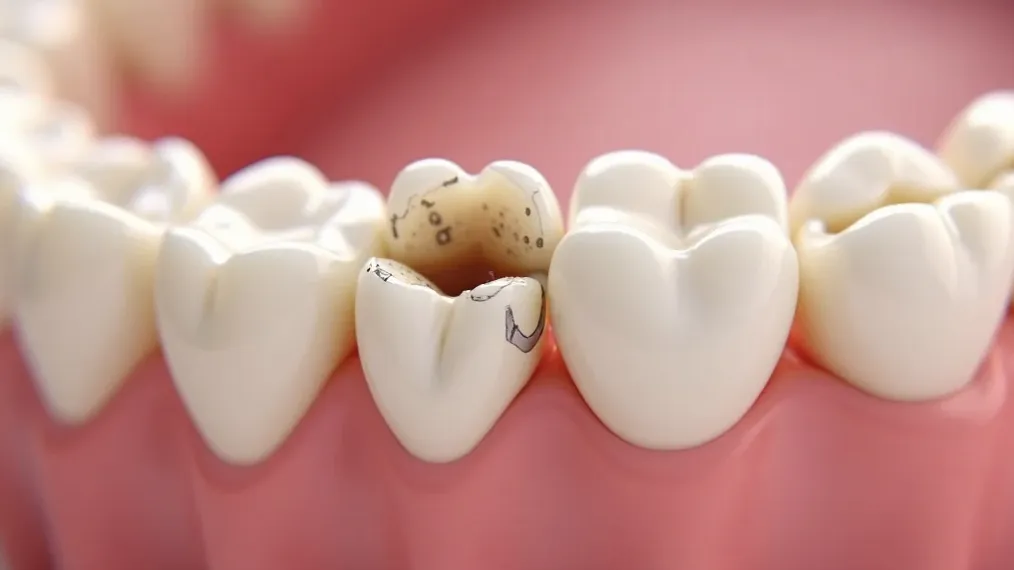
Close-up of tooth damage from chronic grinding—see your dentist if you spot these changes.
Tooth Grinding Damage and Risks
Dental Consequences of Teeth Grinding
Chronic teeth grinding places tremendous pressure on your teeth and jaw, sometimes equal to hundreds of pounds per square inch. Over time, this can result in a host of dental problems: worn enamel (the hard outer layer), chipped or cracked teeth, and even broken dental restorations. Left untreated, bruxism can accelerate tooth sensitivity due to enamel loss and expose the underlying dentin or nerves. This can make eating, drinking, and even brushing your teeth painful.
Physical damage: Worn enamel, chipped teeth, and fractures are some of the most immediate dental risks of teeth grinding
Gum and joint symptoms: Gum recession, persistent tooth sensitivity, headaches, and pain or tension in the jaw joints (TMJ) are frequent complaints
“Night guards are a front-line preventive tool against extensive dental wear caused by bruxism.”
How Night Guards Protect Teeth from Grinding
The Role of a Night Guard in Bruxism Management
A night guard acts as a shock absorber between your upper and lower teeth. It’s designed to cushion your teeth and help distribute grinding forces evenly, minimizing pressure on any one area and reducing the potential for wear or fractures. By breaking the pattern of tooth-to-tooth contact, a dental guard can protect your teeth, dental work (such as crowns and fillings), and even help relieve jaw pain and tension.
Reduces tooth contact: The night guard forms a barrier, lowering the risk of chipped teeth and enamel loss
Cushioning effect: The appliance distributes force and lessens the impact of clenching and grinding
TMJ comfort: Some night guards can relieve stress on the temporomandibular joint (TMJ), helping with discomfort or popping in the jaw
Limitations: Night guards do not cure bruxism; they protect your teeth but won’t stop the habit itself. Other approaches, like stress reduction or treating sleep apnea, may be needed.
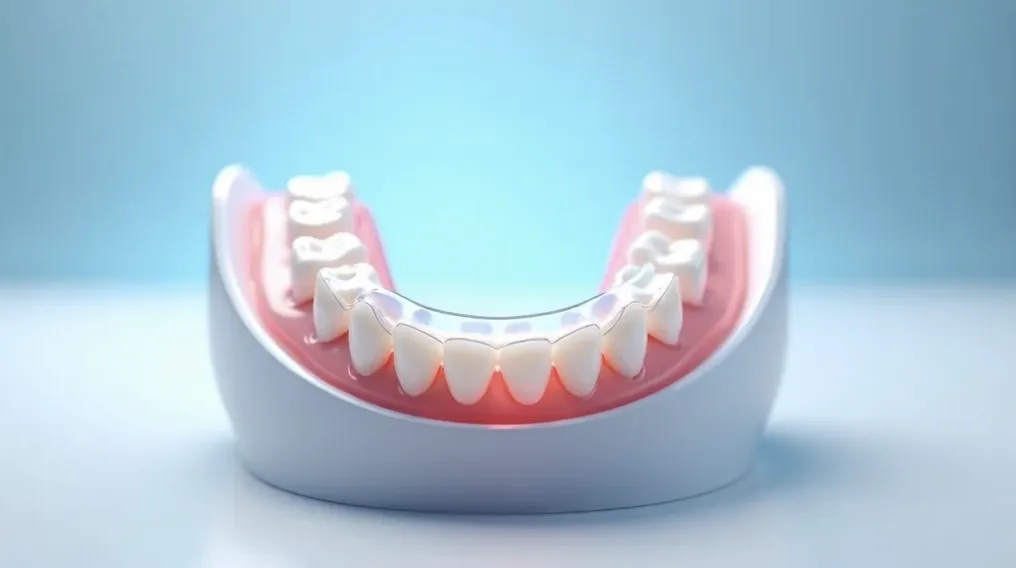
Modern illustration of a night guard protecting the upper teeth from grinding motion.
Different Types of Night Guards
Overview of Mouth Guards, Dental Guards, Custom Night Guards
There are two main categories of night guards: custom-made by a dental care provider and over-the-counter (OTC) guards bought at the store. Within these, you’ll find hard and soft night guards, as well as hybrid versions. Choosing the right type matters for comfort, durability, and effectiveness.
If you’re interested in a more detailed breakdown of the differences between custom and store-bought night guards—including fit, comfort, and protection levels—explore this comprehensive comparison of night guard options to help you make an informed decision.
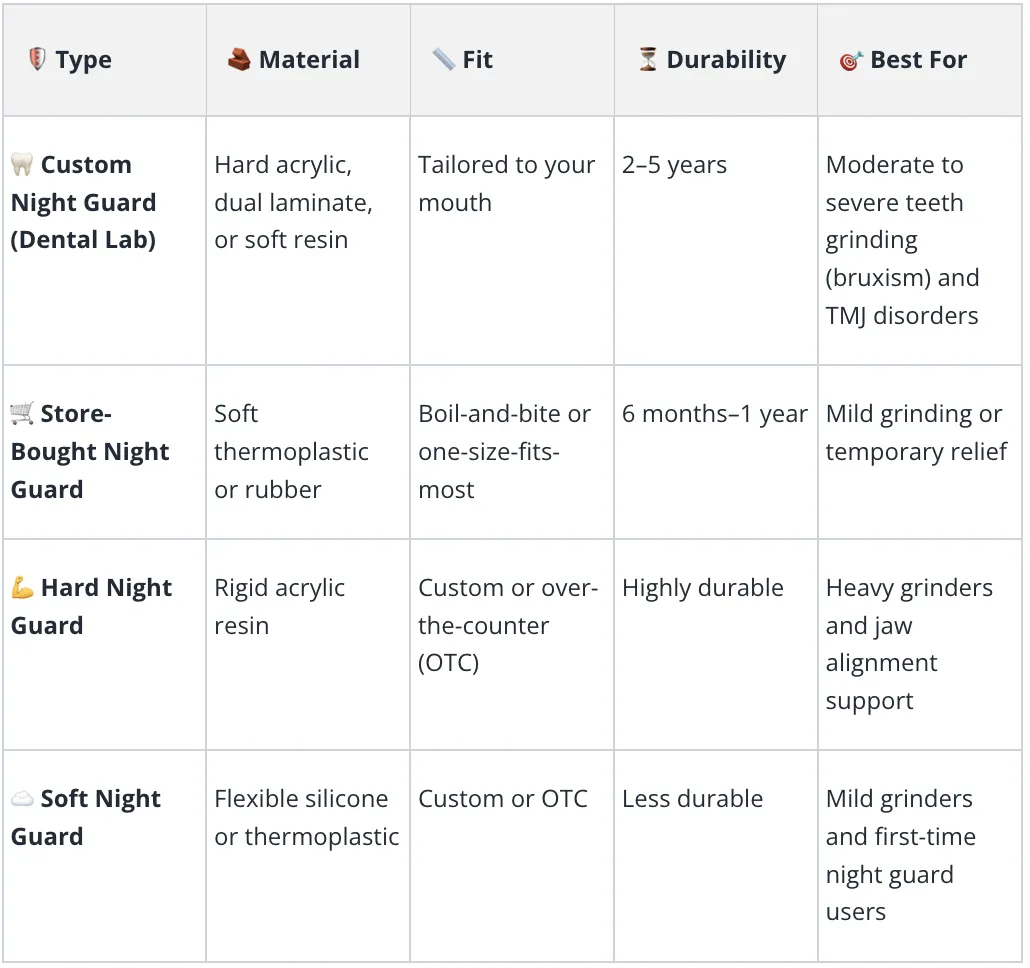
Hard vs. soft night guard: Hard is more durable but may feel bulky; soft is more comfortable but wears out faster
Store-bought guards: Affordable, less precise, best for short-term or trial use
Custom dental guards: Made in a dental lab for your bite—offer superior fit, comfort, and long-term protection
Custom Night Guards vs Store-Bought Mouth Guards
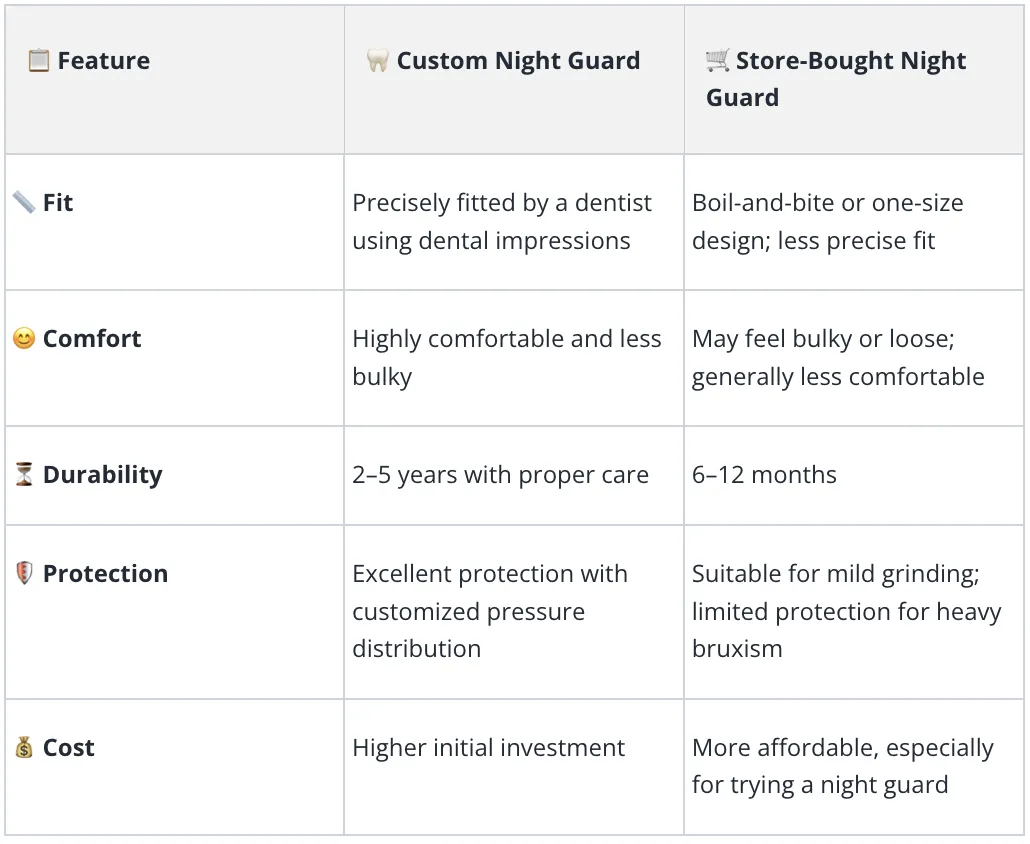
Fit and comfort: Custom night guards allow for normal speaking and swallowing, and rarely dislodge at night
Protection level: Custom guards are ideal for moderate to severe bruxism or patients with jaw pain or dental work
Dentists recommend custom night guards when there is significant tooth wear, dental restorations, or jaw discomfort
“Custom night guards are tailored to your bite and provide the highest level of protection against teeth grinding.”
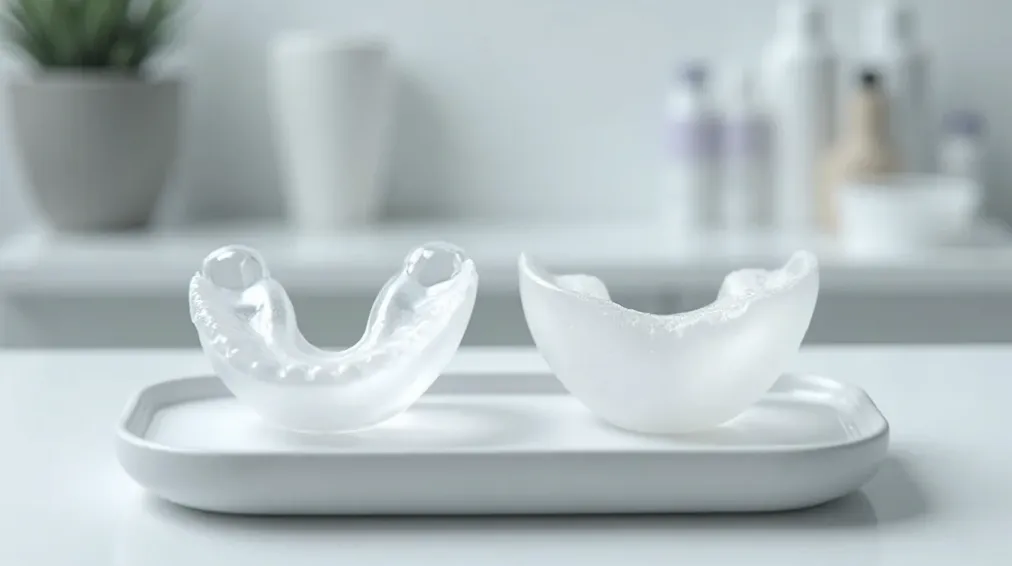
Comparison: Custom night guard (left) offers slimmer fit and better comfort than store-bought (right).
Hard vs Soft Night Guard Comparison
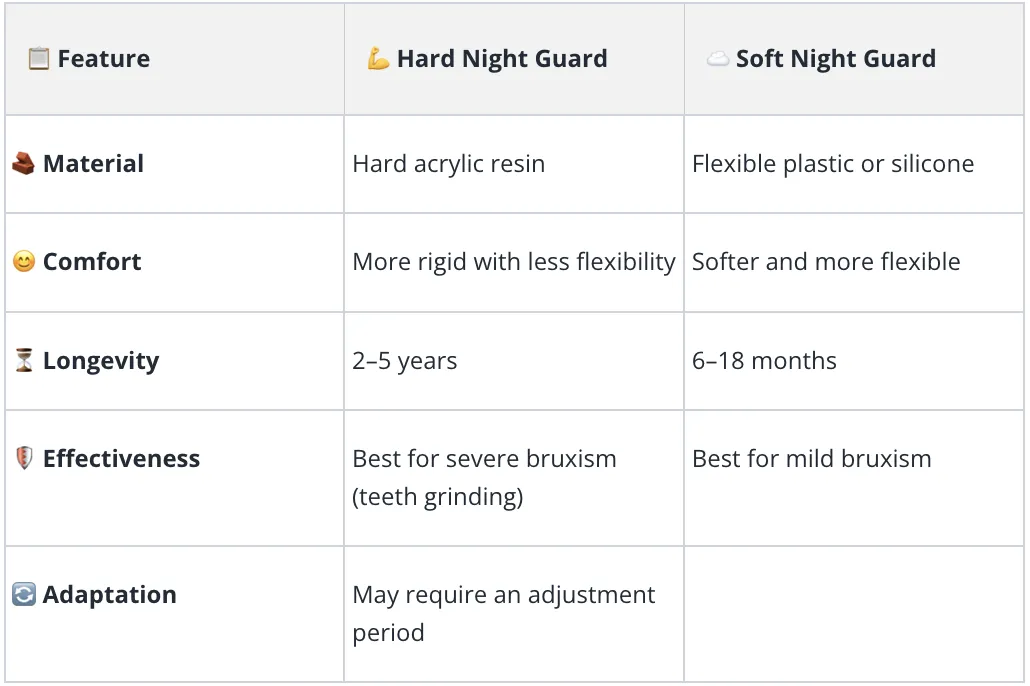
Ideal use cases: Hard night guard for heavy grinding or TMJ, soft for occasional or mild grinding
Pros and cons: Hard lasts longer, soft is more comfortable but less durable; hybrid options blend both
Step-by-Step Night Guard Fitting and Treatment Timeline
Dental Care Provider Process for a Custom Night Guard
Getting a custom night guard from your care provider involves several steps, each designed to ensure a perfect fit and maximum effectiveness. The process starts with a dental evaluation, typically during a routine checkup. If you show signs of bruxism—historic tooth wear, jaw pain, or self-reported grinding—your dentist may recommend a night guard and initiate the customization process.
Dental evaluation: Your dentist examines your teeth, bite, and jaw function, possibly using X-rays or 3D scans to assess damage and alignment.
Impressions and customization: A dental impression or digital scan of your teeth is taken. This mold is sent to a specialized dental lab, where your unique night guard is crafted using precise measurements.
Fitting and adjustment: After 1–2 weeks, you return for a fitting. Your dentist checks the guard for comfort and makes any necessary adjustments. You’ll receive instructions for use and cleaning.

Dental impressions ensure your night guard fits perfectly and works effectively.
Night Guard Adjustment and Adaptation Timeline
What to expect the first week: Mild discomfort, increased saliva, or minor speech changes can occur. Most patients adapt within several nights.
Tips for comfortable adaptation: Wear the night guard consistently, rinse it in warm water beforehand, and do not force it in place. If soreness or discomfort persists, schedule an adjustment with your care provider.
Troubleshooting: Issues like tightness, edge irritation, or fit changes often resolve with minor in-office adjustments. Never attempt to alter a custom night guard at home.
How to Care for Your Night Guard: Cleaning and Maintenance
Night Guard Cleaning and Maintenance Checklist:
Brush your night guard gently each morning with a soft toothbrush and mild soap
Rinse thoroughly with cool water (not hot!) to avoid warping
Soak weekly in a non-abrasive denture cleaner if recommended by your dentist
Store in a clean, ventilated case away from pets and heat
Bring your guard to your dental provider at checkups to confirm ongoing fit and look for signs of wear
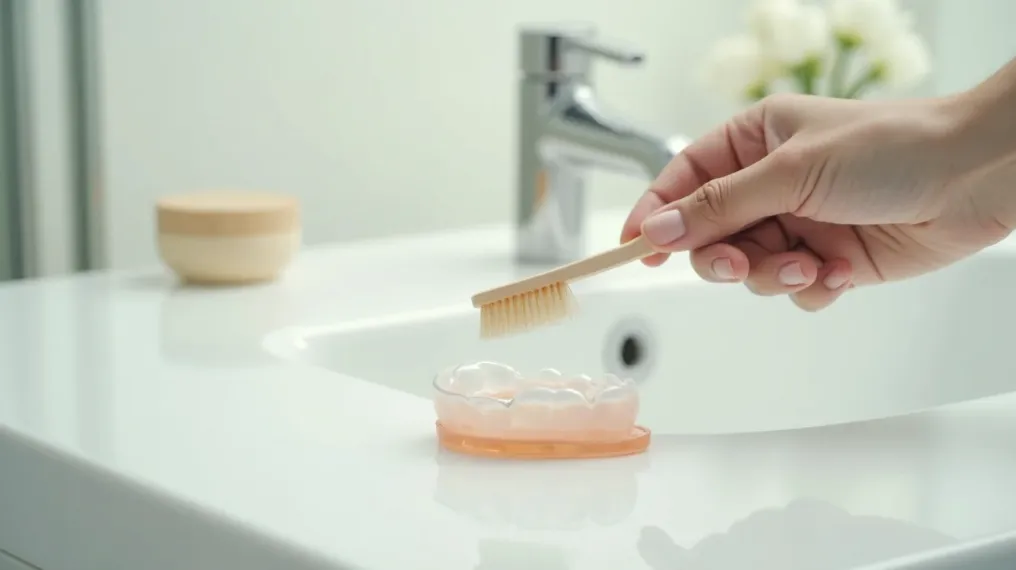
Clean your night guard daily and store it in a ventilated case for long-term protection.
How Long Do Night Guards Last? Signs for Replacement
Average lifespan: Custom night guards last 2–5 years with proper care; store-bought options may need replacing every 6–12 months.
When to replace: Watch for cracks, thinning material, loss of fit, odor, or visible signs of wear. Always follow your dentist’s recommendations for regular reassessment, especially if your bite or comfort changes.
Bruxism and TMJ: The Connection with Night Guards
Bruxism and TMJ/jaw pain: Night guards help relieve pressure on the jaw joints (TMJ), reducing jaw pain, tension, and sometimes even headaches. They do not “cure” TMJ disorders but can greatly ease symptoms linked to teeth grinding.
Limitations: Not every patient with jaw pain will benefit from a night guard; some TMJ symptoms respond better to different treatment options based on underlying causes.
Night Guard Benefits and Limitations
Benefits:
Protect your teeth and dental work from grinding-related damage
Relieve jaw pain and reduce headaches
Improve sleep and help manage the dental risks of bruxism
Preserve your natural teeth and costly dental restorations
Limitations:
Night guards must be worn consistently to work; they don’t cure bruxism
Not all jaw pain is due to bruxism—evaluation is key
Some patients need additional treatment for sleep apnea, misaligned bite, or severe TMJ disorders
Selecting the Right Night Guard: Patient Tips
Night Guard Selection Guide:
Ask your care provider if a night guard is right for your individual risk and symptoms
Decide between hard and soft material based on your grinding severity and comfort needs
Choose custom-fitted for best long-term results or store-bought for mild, short-term relief
Review your dental insurance—some plans cover a portion of custom night guard costs
People Also Ask
Is it worth getting a night guard from a dentist?
Dentist-made night guards are custom-fitted appliances that offer superior comfort and the most effective protection against teeth grinding when compared to store-bought options. If you have moderate-to-severe bruxism, jaw pain, or visible dental damage, investing in a dental lab–made night guard is usually well worth it for your long-term oral health.
Is it good to sleep with a night guard?
Sleeping with a night guard is strongly recommended for people who grind or clench their teeth. Wearing a night guard reduces tooth-to-tooth contact overnight, which helps lower the risk of worn enamel, chipped teeth, and jaw discomfort. For best results, use your night guard as instructed by your dental care provider.
What is the average cost of a night guard from a dentist?
The cost of a night guard from a dentist depends on its type, the materials used, and your specific dental needs. Custom night guards made by a dental professional usually cost more than store-bought options due to their personalized fit and higher-quality materials. Dental insurance may sometimes help with the cost—ask your provider for details.
How many hours can you wear a night guard?
Most patients wear their night guard throughout the night, typically for 6–8 hours. Night guards are designed for overnight use; however, in certain cases, such as persistent clenching during the day, your dentist may recommend extended wear, always under professional guidance.
Frequently Asked Questions
What is a night guard?
A night guard is a thin dental appliance worn on the teeth while sleeping to protect them from grinding or clenching, known as bruxism. It acts as a barrier and cushions the teeth, minimizing the risk of damage and jaw pain for both children and adults.
What is sleep bruxism?
Sleep bruxism is an unconscious habit where a person grinds or clenches their teeth while asleep. It often results in tooth wear, jaw pain, and morning headaches, but most people do not realize they do it until symptoms develop or a dentist points it out.
Why are night guards recommended?
Night guards are recommended to protect your teeth and jaw from the damage associated with grinding or clenching. They cushion your teeth, reduce wear, and help alleviate pain and sensitivity, especially for those with frequent bruxism or related symptoms.
How do night guards protect teeth?
Night guards act as a protective barrier between the teeth. They absorb and distribute pressure from grinding, preventing direct tooth-to-tooth contact and minimizing the risk of enamel loss, chips, and jaw pain.
Are custom night guards worth it?
Yes, custom night guards are worth it for most patients with moderate-to-severe bruxism. They are precisely molded to your bite, more comfortable, and provide the best level of protection compared to one-size or store-bought appliances.
Are night guards comfortable?
Most patients find night guards comfortable after an initial adjustment period. Custom-fitted night guards are designed to align with your bite, making them easier to wear throughout the night compared to generic options.
How long do night guards last?
With proper care and regular dental evaluations, custom night guards can last several years—often 2 to 5—while store-bought or over-the-counter options may need replacement every 6 to 12 months, particularly for heavy grinders.
How should I clean my night guard?
Clean your night guard daily by brushing it gently with a soft toothbrush and mild, non-abrasive soap. Rinse thoroughly with cool water and store in a ventilated case. Deep clean weekly using a dental appliance cleaner if recommended by your dentist.
Can night guards help TMJ pain?
Night guards can help relieve TMJ-related jaw pain caused by teeth grinding or clenching. By reducing pressure on the jaw joints and cushioning the bite, they help manage discomfort. However, they do not treat all types of TMJ disorders, so a dental evaluation is advised.
Can children use night guards?
Yes, children can use night guards if evaluated and recommended by a dentist. Pediatric night guards are carefully fitted and monitored as children grow to ensure the appliance offers proper protection without affecting oral development.
When should I replace my night guard?
Replace your night guard when you notice signs of wear, cracks, a change in fit, persistent odor, or per your dentist’s advice. Most custom guards last several years but should be checked regularly as your dental needs may change over time.
S. Raj, M.D. / Bestdentists.com
Director, Search Intelligence University/IABLEd
International Association for Business Leaders’ Education
Sources
https://my.clevelandclinic.org/health/treatments/10910-mouthguards - Mouth Guards: Types & Purpose
https://hellootis.com/products/otis-night-guard-subscription - Custom Night Guard
https://jsdentallab.com/collections/guards - Mouth Guards for TMJ + Teeth Grinding | Products

The IABLEd Growth Intelligence University
The Definitive Curriculum for Modern Dentistry and Oral Health
Praevenire. Curare. Sorridere.
Prevent. Treat. Smile.
Want Your World to Discover You,
the Easy Way?
Experience exceptional dental care while discovering the confidence of a healthier smile.
We provide the expertise, technology, and personalized treatment to help you achieve lasting oral health and beautiful, confident smiles. Ask us how.
Copyright 2026. Best Dentist Near Me. All Rights Reserved.


* * * * *
COMPANY
30721 Russell Ranch Rd Suite 140, Westlake Village, CA 91362
CUSTOMER CARE
Get In Touch
Mon – Thurs
10:00am – 4:00pm
Fridays by Appointment
Saturday, Golf
Sunday –hurch
LEGAL
Stay informed about how new technology can make or break a brand.
FOLLOW US


Prevent. Restore. Smile.
© 2026 IABLEd Dental Intelligence Academy | All Rights Reserved.
1: Oral Health Foundations 2: Preventive Dentistry & Patient Care 3: Restorative Dentistry & Treatment Planning 4: Advanced Clinical Techniques & Digital Dentistry 5: Cosmetic & Comprehensive Dental Care 6: Bonus Dental Masterclass Series