
Procedure, Pain, Recovery, Benefits, and How It Saves Teeth
Author; S.Raj, M.D, Updated: 7/22/2026 Reading Time: 5 Minutes
Root Canal Treatment Explained
Is root canal treatment as daunting and painful as its reputation suggests, or has modern dentistry changed the story? Let’s set the record straight with science-backed facts and clear answers—so you know exactly what to expect if you or a loved one needs a root canal.
What You'll Learn in This Root Canal Treatment Guide
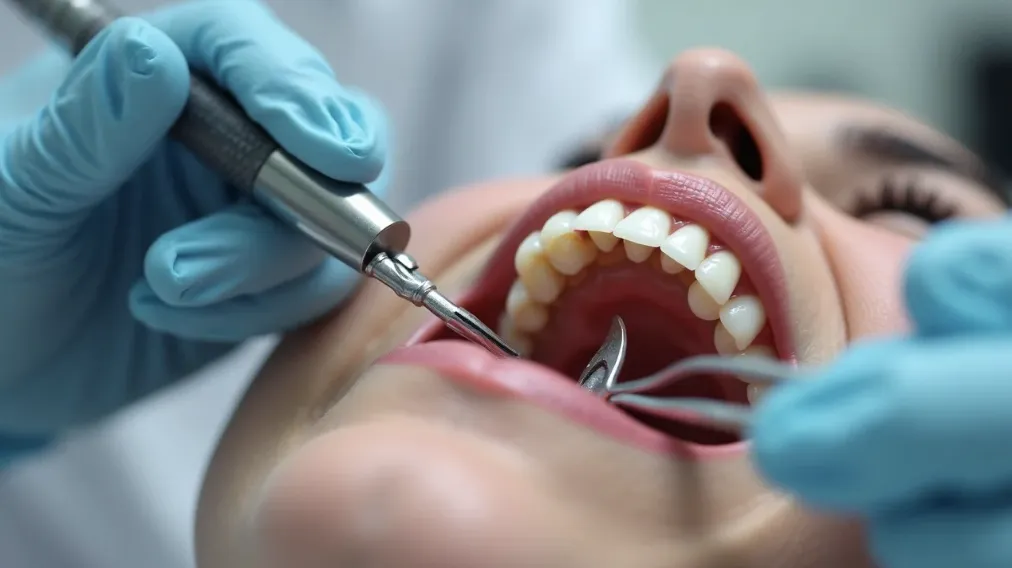
An overview of root canal treatment and why it is performed
How to recognize signs you may need a root canal
What happens during the root canal procedure
Pain management, aftercare, and recovery details
Alternatives, regenerative endodontic options, and prevention
Key Takeaways:
Root canal treatment can save your natural tooth and relieve pain from deep decay or infection.
Modern procedures use advanced anesthesia and pain control, making the experience comfortable for most patients.
Aftercare and a dental crown (if advised) help ensure long-term success.
New options like regenerative endodontics are expanding for young patients.
Always seek a professional evaluation to determine the best approach for your needs.
Curious About Root Canal Treatment? Common Myths and Realities
"Are root canals as painful and complex as people say, or is there more to the story? Let’s challenge misconceptions and reveal the facts about root canal treatment."
Myth vs Fact: Root Canal Treatment
Myth: Root canal treatment is always painful.
Fact: Modern anesthesia makes root canals comparable to cavity fillings.
Myth: Tooth extraction is always better than a root canal.
Fact: Saving your natural tooth often offers the best long-term oral health.
What Is Root Canal Treatment?
Root canal treatment is a dental procedure used to treat infection or inflammation inside the tooth by removing damaged or infected pulp, cleaning the root canals, and sealing the tooth to prevent further problems. It helps relieve pain, stop infection, and save your natural tooth structure.
Root canal (also called endodontic treatment) is recommended when the innermost part of the tooth, called the pulp chamber, becomes inflamed or infected. Deep decay, a cracked tooth, or trauma can allow bacteria to invade the pulp. Without treatment, infection may lead to a painful abscess or even tooth loss. Today, millions of root canal treatments are performed each year, helping patients keep their natural teeth, chew comfortably, and maintain healthy smiles.
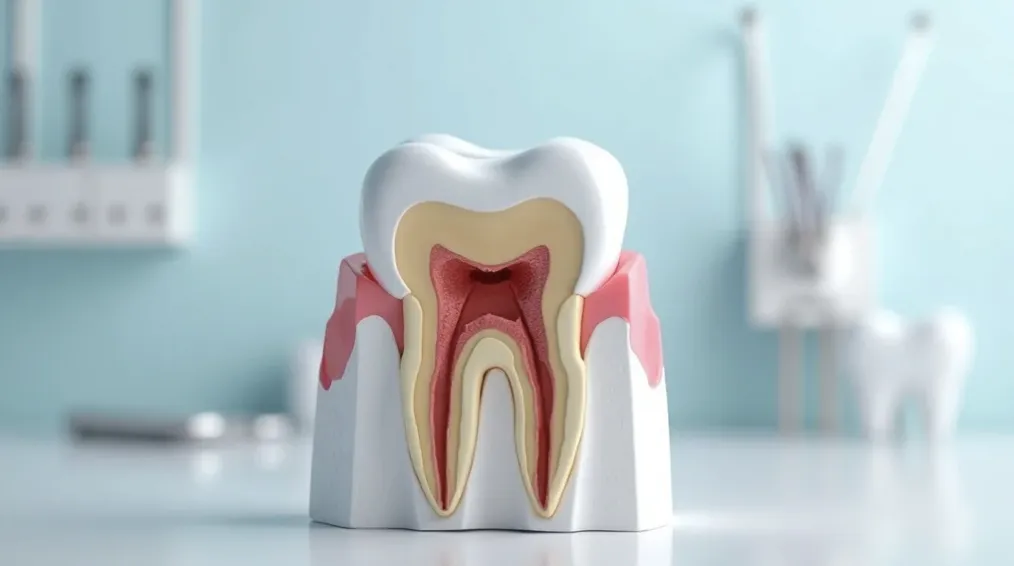
Tooth Anatomy Explained: Understanding the Need for Root Canal Treatment
Layers of a tooth: enamel, dentin, pulp, and root canal
What is dental pulp and why is it important?
How tooth anatomy relates to canal treatment
Each tooth has multiple layers: Enamel is the hard white outer shell that protects against wear and damage. Beneath that, the yellowish dentin forms the bulk of your tooth and offers additional support. Deep inside, you'll find the pulp chamber and root canals—these house soft tissue containing nerves, blood vessels, and connective tissue. The dental pulp is critical during tooth development but, once fully grown, an adult tooth can function without it.
When decay, cracks, or injury allow bacteria to reach the pulp chamber, infection and inflammation can cause severe tooth pain and swelling. If left untreated, this can threaten the surrounding bone and lead to tooth loss. Root canal treatment cleans out the infected or inflamed pulp, fills and seals the canals, and preserves as much of your natural tooth structure as possible.
Understanding the structure of your teeth and the reasons behind root canal treatment can help you make informed decisions about your dental health. If you’re interested in learning more about dental care options and finding a trusted provider in your area, explore the comprehensive directory dentists for additional resources and support.
Common Reasons for Root Canal Treatment: Deep Decay, Dental Trauma, Infection, and More
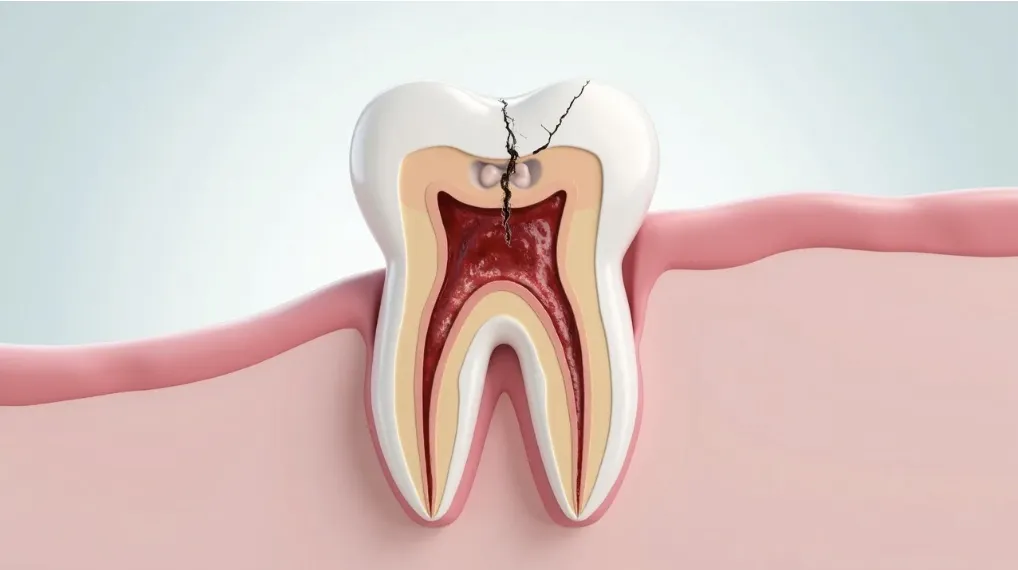
How deep tooth decay reaches the root canal
Fractures and cracks exposing dental pulp
Injury, repeated dental procedures, and pulp inflammation
Dental abscess and tooth infection
The most frequent need for root canal arises from deep decay—when bacteria eat through the enamel and dentin into the pulp. Likewise, a deep cavity or dental trauma (such as a sharp blow, sports injury, or biting down hard on something) can fracture a tooth, leaving the pulp chamber exposed or vulnerable to infection.
Multiple dental procedures or large restorations on a single tooth may also stress the pulp, resulting in chronic inflammation. When the pulp becomes infected, pus can collect at the root tip, forming a dental abscess—this can cause swelling, pain, or even spread infection to other areas if not treated. In all cases, root canal treatment aims to remove the infected material and protect your natural tooth from extraction.
Ready to schedule your consultation or have more questions about root canal treatment? Contact our dental care team today to connect with an experienced dentist or endodontist in your area—your comfort and oral health are our top priorities.
Root canal treatment is just one aspect of maintaining lifelong oral health. If you’re looking to take the next step—whether it’s preventive care, cosmetic improvements, or advanced restorative solutions—our dental directory offers a wealth of information and access to top-rated professionals. Discover how a proactive approach to dental care can help you achieve a healthier, more confident smile for years to come. Explore your options, connect with local experts, and empower yourself with the knowledge to make the best choices for your dental well-being.
S. Raj, M.D. / Bestdentists.com
Director, Search Intelligence University/IABLEd
International Association for Business Leaders’ Education
Sources
https://www.aae.org/patients/root-canal-treatment/what-is-a-root-canal/ - What is a Root Canal?
https://www.deltadental.com/protect-my-smile/procedures/root-canal/ - What Is A Dental Root Canal?
https://my.clevelandclinic.org/health/treatments/21759-root-canal - Root Canal: Procedure & Recovery
https://www.aae.org/patients/root-canal-treatment/ - Root Canal Treatment

The IABLEd Growth Intelligence University
The Definitive Curriculum for Modern Dentistry and Oral Health
Praevenire. Curare. Sorridere.
Prevent. Treat. Smile.
Want Your World to Discover You,
the Easy Way?
Experience exceptional dental care while discovering the confidence of a healthier smile.
We provide the expertise, technology, and personalized treatment to help you achieve lasting oral health and beautiful, confident smiles. Ask us how.
Copyright 2026. Best Dentist Near Me. All Rights Reserved.


* * * * *
COMPANY
30721 Russell Ranch Rd Suite 140, Westlake Village, CA 91362
CUSTOMER CARE
Get In Touch
Mon – Thurs
10:00am – 4:00pm
Fridays by Appointment
Saturday, Golf
Sunday –hurch
LEGAL
Stay informed about how new technology can make or break a brand.
FOLLOW US


Prevent. Restore. Smile.
© 2026 IABLEd Dental Intelligence Academy | All Rights Reserved.
1: Oral Health Foundations 2: Preventive Dentistry & Patient Care 3: Restorative Dentistry & Treatment Planning 4: Advanced Clinical Techniques & Digital Dentistry 5: Cosmetic & Comprehensive Dental Care 6: Bonus Dental Masterclass Series